Technology

Home / Technology

Process Innovation & Technological Breakthrough

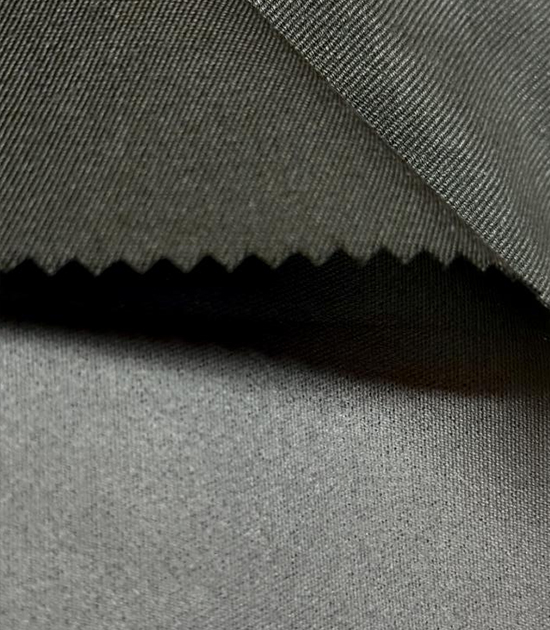
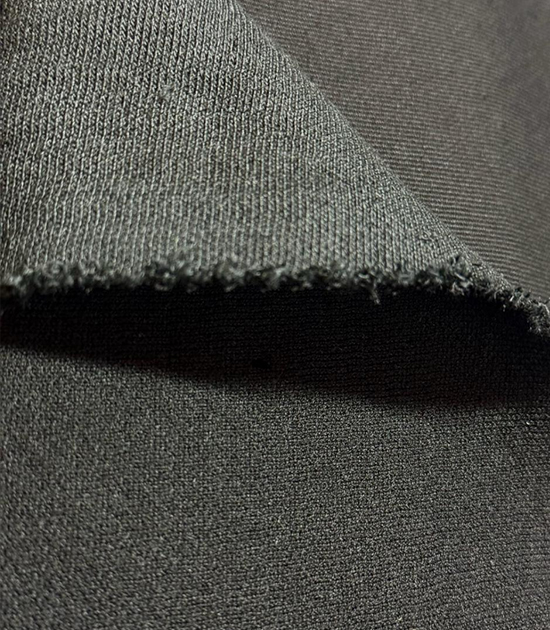
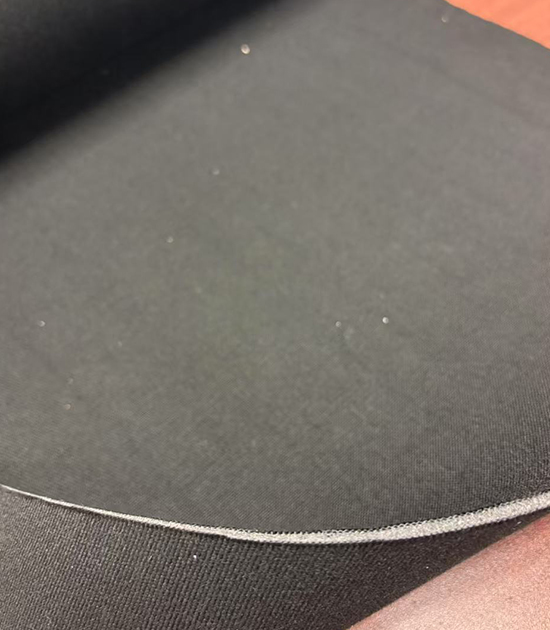
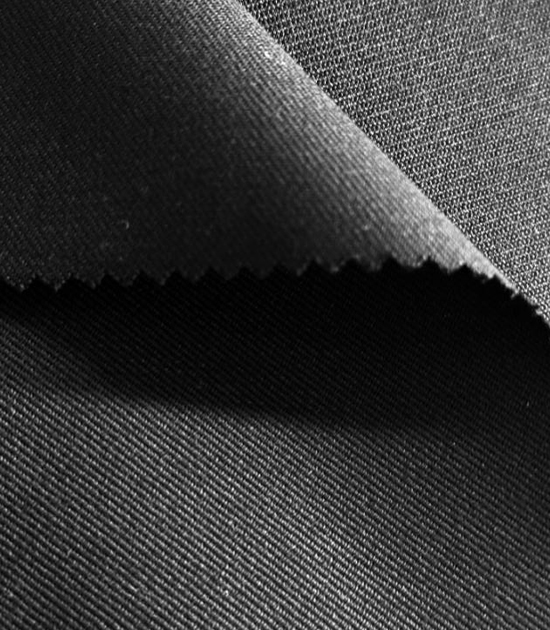
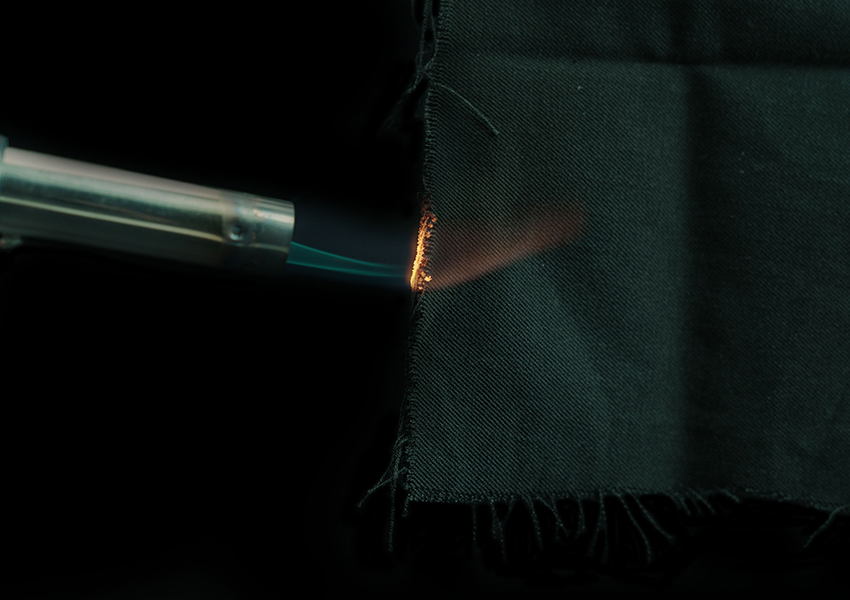
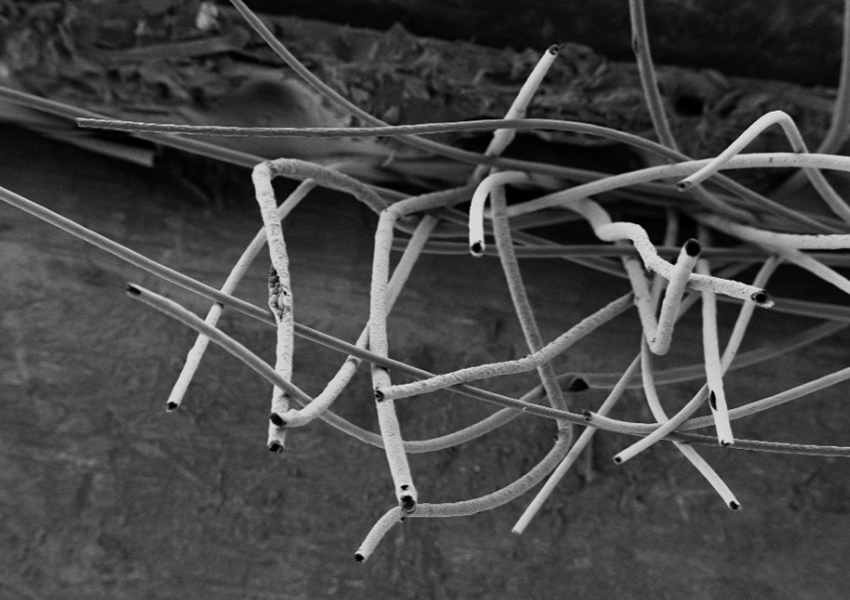
Our independently developed carbonlene fiber fabric eliminates the performance disparities of conventional skin-core structures through fiber architecture reconstruction. This technology has successfully overcome three major industry challenges—high brittleness, high breakage rate, and poor cohesion of carbon-based fibers—achieving the leap from laboratory research to scalable production and textile manufacturing, and delivering a new material solution for the high-temperature protection sector.
Revolutionary Technological Breakthrough
Material Name Strength Heat Resistance Corrosion Resistance Cost
Aramid High Moderate (about 200 - 250 °C) Moderate High
Polyimide Moderate Relatively high (about 500 - 560 °C) Good Extremely High
PBO High Relatively High (about 650 °C) Good Relatively High
 Carbonlene Fabric Weak Extremely High (about 800 - 1800 °C) Excellent Relatively Low
GUARDIANS OF SAFETY, INNOVATORS OF FABRIC
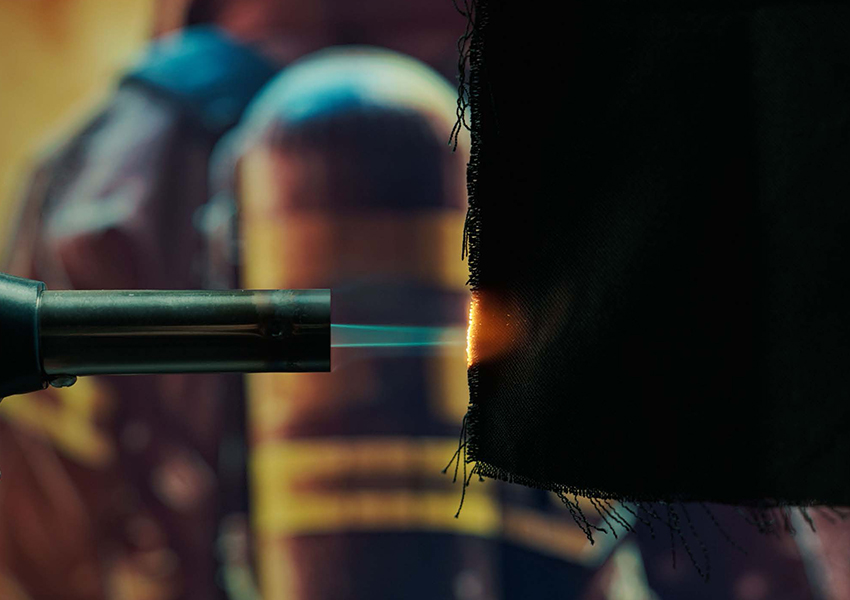
Our breakthrough fiber redefines the standard for non-combustible fabric technology.
High-Temperature Protection
Maintains performance stability at ultra-high temperatures up to 3,200°C.
Chemical Resistance
The fabric offers reliable resistance to acid and alkali corrosion.
Multi-Functional Protection
High-efficiency oil and water repellency, blocking hazardous liquid media.
Intelligent Health
Built-in far-infrared heating capability, delivering safety without compromising comfort.
Safety Certification
Free of carcinogens and allergens and compliant with occupational health standards.
Technological Innovation
Our non-combustible fibers possess full spinnability, realizing advanced material and process innovation.
01

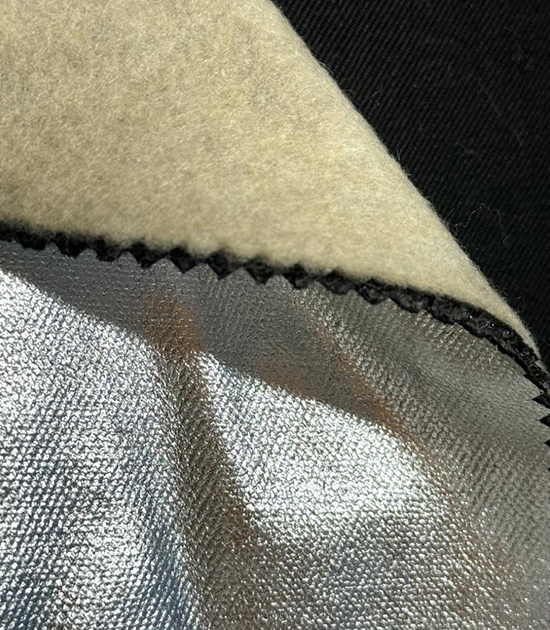
Aluminum Film Lamination

This composite is used for thermal radiation protection, with a thermal radiation reflectivity greater than 95%, effectively reducing heat load in high-temperature environments.
02

Anti-Infrared Coating Lamination

This composite provides the fabric with infrared stealth capability, reducing the risk of infrared detection and identification, and is suitable for specialized protection scenarios.
03

Blended Weaving and Spinning

By blending high-performance fibers, this process significantly enhances the tensile strength of the material while balancing durability and comfort.
04

Silicone Foam Lamination

This composite provides an effective thermal insulation barrier with a Thermal Protective Performance (TTP) rating greater than 60, delaying heat penetration and improving overall heat protection.
05

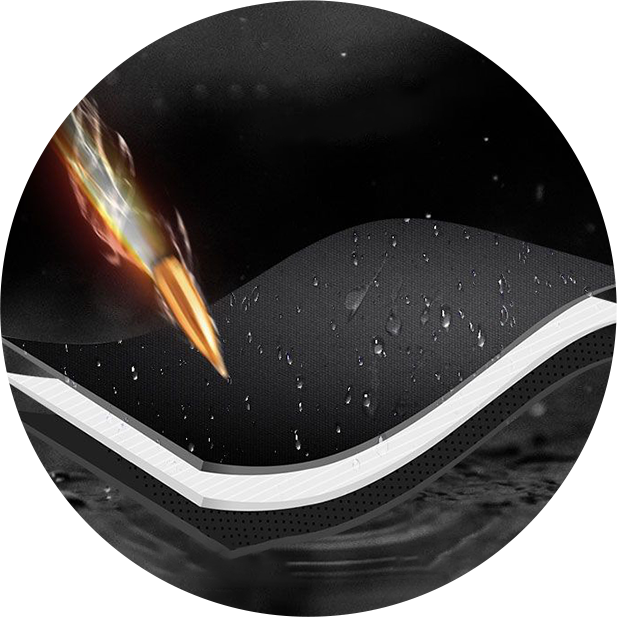
Waterproof Coating Lamination

This composite achieves Level 4 waterproof performance with added anti-freeze properties, making it suitable for low-temperature and harsh wet environments.
06

PTFE Film Lamination

The PTFE film layer provides durable waterproof and moisture-permeable performance, ensuring both protection and wearing comfort.
07

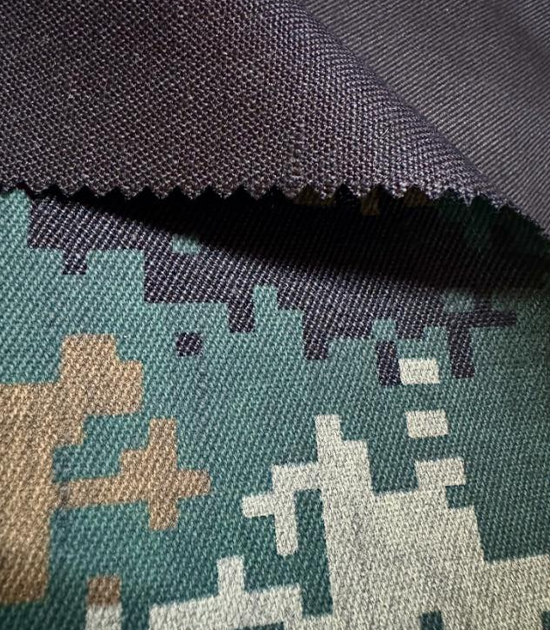
Camouflage Printing Lamination

This composite is applied to camouflage combat uniforms and fireproof tents, delivering both optical concealment and high-temperature protection.
Composite Technologies

Fabric Flame-Retardant Technology

By eliminating the structural differences between the skin and core layers of carbonized acrylic spun fibers, this technology effectively reduces high brittleness, high breakage rate, and poor cohesion, endowing the material with spinnability and non-combustibility. It provides a process foundation for the large-scale production of non-combustible fabrics.

Spray Flame-Retardant Technology

A vapor-phase condensed bio-based nano flame retardant, formulated from chitosan, a bio-based material, modified and compounded with nano titanium dioxide. This pioneering technology replaces conventional flame-retardant components with renewable bio-based materials, offering an environmentally friendly and efficient flame-retardant solution.