


 English
  عربى
عربى  中文简体
中文简体
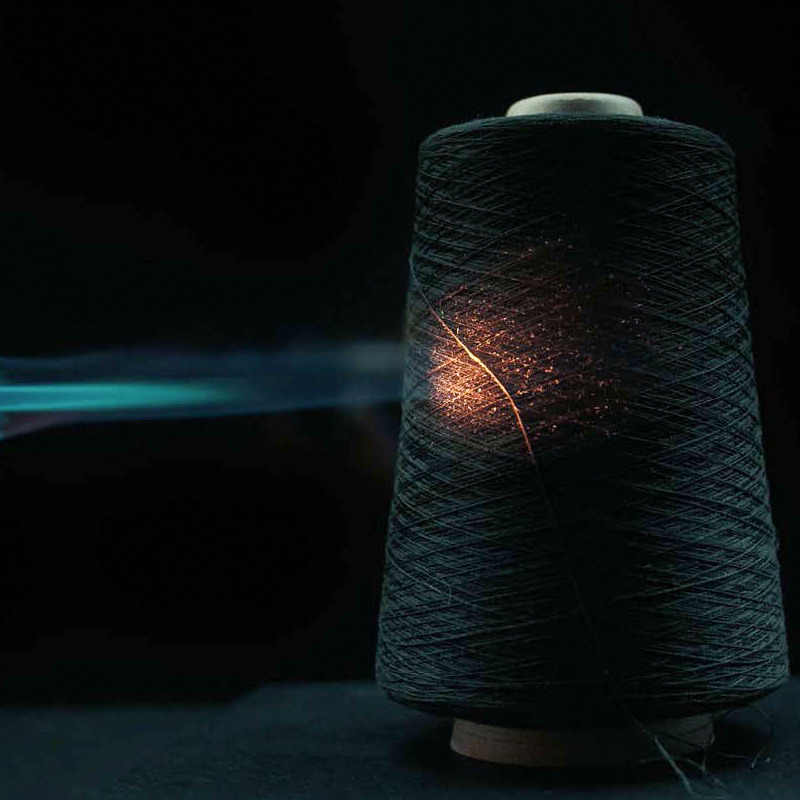
Carbonlene Yarn 40 Count
Honor
-
 Certificate of Honor
 -
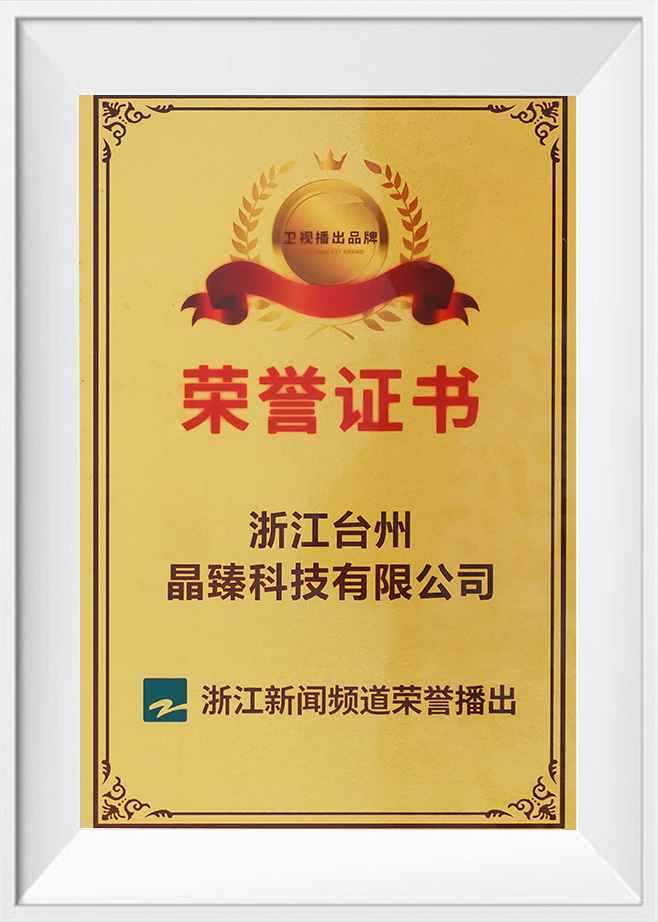 Certificate of Honor
 -
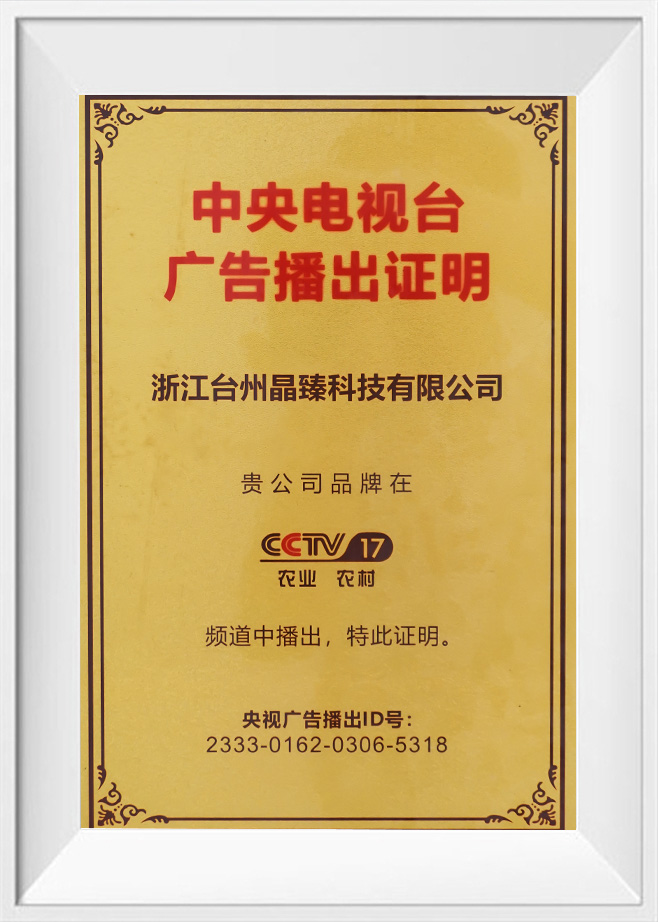 China Central Television Advertising Broadcast Certificate
 -
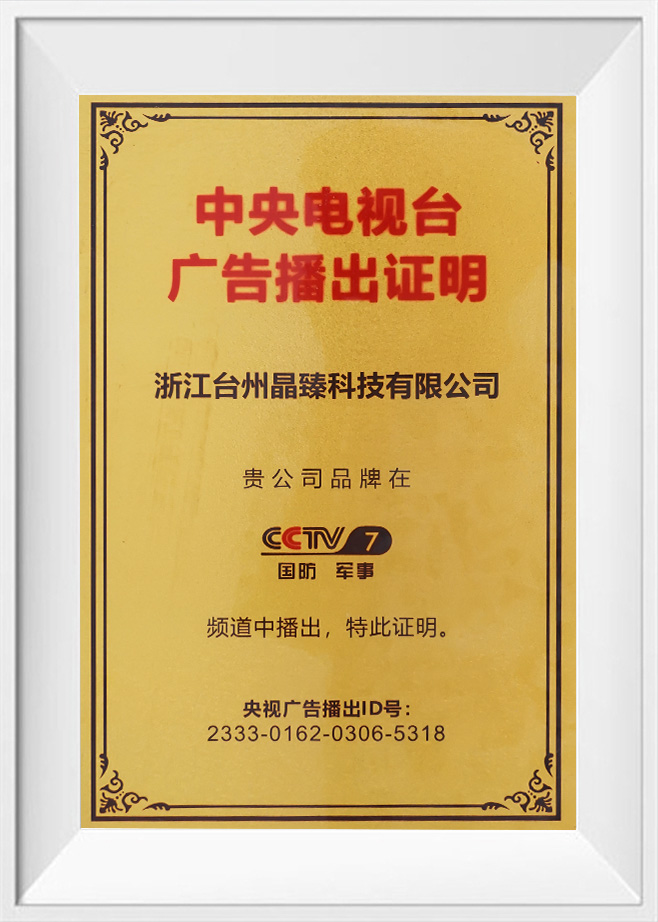 China Central Television Advertising Broadcast Certificate
News
-
Industry News 2026-07-17
Fabrics working near heat sources deal with conditions that ordinary textiles just weren't built to handle. Co...
View More -
Latest News 2026-07-13
Standards are the yardstick for industry progress. In the emerging field of functional composite fabrics, Blac...
View More -
Industry News 2026-07-10
Industrial workplaces often expose equipment and surrounding materials to continuous heat, temporary high temp...
View More
Contact Us Now
Carbonlene Yarn 40 Count Industry Knowledge Extension
What is Carbonlene Yarn 40 Count?
Carbonlene Yarn 40 Count is a finely spun yarn widely used in applications that require high durability and fire resistance. Its count specification reflects a balance between strength and flexibility, making it suitable for producing fabrics that need to maintain structural integrity under heat exposure. Manufacturers often choose this yarn when creating protective textiles that combine comfort and safety.
The yarn's structure allows it to be blended with other fibers, enhancing properties such as abrasion resistance or moisture management. Carbonlene Yarn 40 Count is particularly valued in industrial and safety applications because it can consistently perform under challenging conditions without compromising fabric quality.
Why Are Fire Retardant Yarns Essential?
Fire retardant yarns are crucial for slowing down the spread of flames in fabrics. Unlike standard yarns, they are engineered to resist ignition and sustain minimal damage during exposure to fire. Fire retardant yarn finds use in a variety of sectors, including protective clothing, industrial coverings, and public safety textiles.
The functionality of fire retardant yarn is achieved through chemical treatments or intrinsic fiber properties that improve thermal stability. Fabrics woven with these yarns provide reliable protection, extending the lifespan of garments and materials in environments where heat and fire hazards are common. In addition, fire retardant yarn supports compliance with safety regulations across industries.
How Does Fire Rated Fabric Material Work?
Fire rated fabric material is created by combining specialized yarns through careful weaving or knitting techniques. The purpose is to produce a textile that can endure high temperatures without catching fire easily. By using fire retardant yarn in these fabrics, manufacturers can ensure that the material slows flame propagation and maintains structural integrity during exposure.
The quality of fire rated fabric material depends not only on the yarn used but also on production processes, including tension control, weaving density, and finishing treatments. Fabrics incorporating Carbonlene Yarn 40 Count often demonstrate stability and resistance to fraying, which is critical for long-term industrial and protective applications.
What Are the Common Applications of Fire-Resistant Materials?
Fire rated fabrics have a wide range of applications. They are commonly used in personal protective equipment, such as firefighter suits, welding aprons, and heat-resistant gloves. In addition, these materials are found in industrial environments, covering machinery or serving as curtains and partitions to reduce fire risk.
Fire retardant yarn and fire rated fabric material are also employed in public and commercial spaces. Transportation vehicles, theaters, and educational institutions often incorporate these textiles to enhance safety. The combination of Carbonlene Yarn 40 Count with other fire-resistant yarns allows designers to maintain a balance between safety, comfort, and visual appeal.
What Should Manufacturers Consider When Producing Fire-Resistant Fabrics?
Producers of fire-rated textiles must carefully select yarns to meet regulatory standards while maintaining usability. Carbonlene Yarn 40 Count provides a consistent option due to its thermal resistance and durability. Alongside proper blending, manufacturers need to monitor production quality, testing each batch to ensure the fabric performs as intended.
Cost-efficiency, wearability, and compliance with fire safety standards are key factors in textile production. By integrating fire retardant yarn effectively, companies can deliver fabrics that are reliable, safe, and suitable for diverse industrial and commercial applications.

-
 905, Yanxiang Technology Building, Binkang Road, Binjiang District, Hangzhou City, Zhejiang Province, China
 -
 +86-057186797597
 -
 +86-15658877105
 -

- QUICK LINKS
- Home
- About BlackFire
- Our Story
- FAQ
- QUICK LINKS
- Technology
- Application
- Contact Us
- NEWS & INSIGHTS
- Company News
- Industry News

