


 English
  عربى
عربى  中文简体
中文简体
What Properties Define Fireproof Fabric Material in Industrial Use
Industrial workplaces often expose equipment and surrounding materials to continuous heat, temporary high temperatures, or repeated thermal changes. Under such conditions, ordinary fabric may gradually lose its original shape or become unsuitable for long-term use. Material selection therefore becomes an important part of production planning rather than a simple purchasing decision.
Different working environments place different demands on protective fabrics. Some locations require flexible materials that can wrap around equipment, while others need stable coverings for fixed installations. A single material rarely satisfies every application because operating conditions vary from one production area to another.
A Fireproof Fabric Material is generally selected according to working conditions, installation methods, and expected service requirements. Surface appearance alone cannot indicate whether a fabric will remain suitable after repeated exposure to heat, movement, or daily handling.
Another important consideration involves later maintenance. Materials that remain stable during cleaning and routine inspection often simplify long-term operation. Practical selection therefore begins with understanding how the fabric will actually be used instead of concentrating only on its appearance.
What Makes Fireproof Fabric Material Different From Ordinary Fabrics
Protective fabrics differ from standard textile materials because several properties work together instead of relying on a single feature.
Heat resistance often receives early attention, although structural stability is equally important. A fabric should continue keeping its original form while exposed to changing working conditions. Flexibility also deserves consideration because many industrial installations include curved surfaces, moving parts, or limited installation space.
Surface durability influences another aspect of daily use. Materials exposed to repeated contact, dust, or routine handling benefit from a structure that remains stable throughout regular operation.
Several characteristics are commonly evaluated before selecting a fabric.
- resistance to heat exposure
- stable structural form
- flexibility during installation
- surface durability
- suitability for repeated use
Balance among those properties usually produces more practical results than concentrating on one characteristic alone.
A Fireproof Fabric Material may therefore look similar to ordinary fabric at a glance, while its internal construction allows it to perform differently during industrial applications.
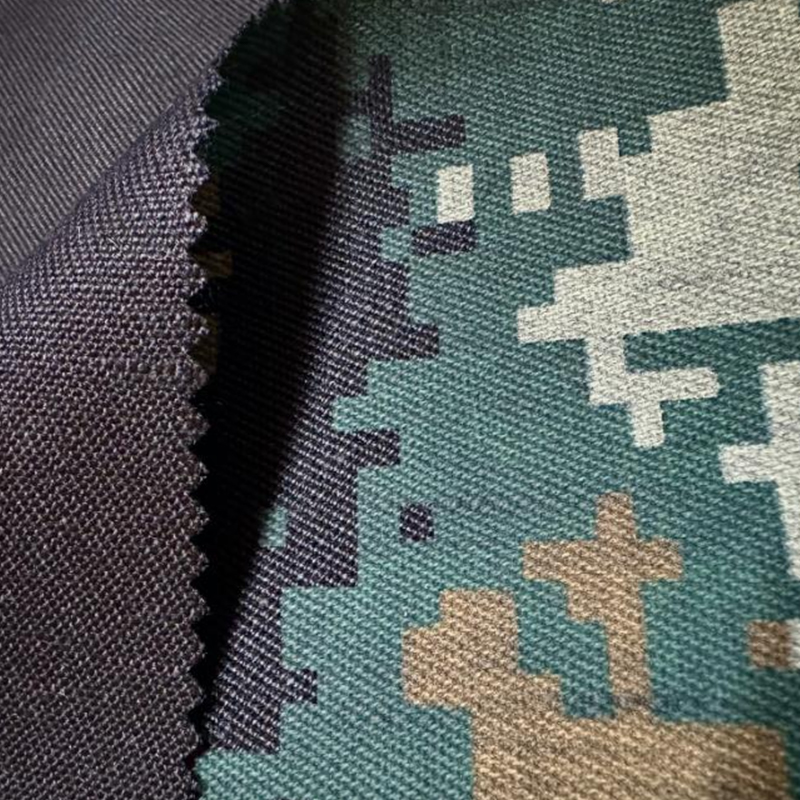
How Fire Insulation Fabric Helps Reduce Heat Movement
Heat naturally moves from warmer areas toward cooler surroundings. Protective fabric works by slowing that movement rather than allowing heat to pass directly through surrounding equipment or structures.
A Fire Insulation Fabric often serves as a barrier between heat sources and nearby components. Instead of eliminating heat completely, it helps reduce heat transfer so surrounding areas receive less direct thermal influence.
Different applications require different insulation arrangements. Flexible covers may surround equipment with irregular shapes. Wrapped insulation may follow the outside of pipes. Hanging barriers can separate working areas where temporary protection becomes necessary.
Practical design often considers several factors together.
- location of the heat source
- direction of heat movement
- surrounding equipment
- available installation space
- accessibility for maintenance
Material selection becomes more effective when those conditions are reviewed before installation.
Which Industrial Applications Require Different Fabric Structures
Protective fabrics appear in many industrial situations because equipment and working environments rarely share identical requirements.
Equipment covers often require flexibility so material follows changing shapes without creating unnecessary stress during installation.
Pipe wrapping introduces another condition. Fabric should remain close to curved surfaces while allowing routine inspection and maintenance when necessary.
Protective curtains provide separation between different working areas. Easy movement, convenient installation, and stable hanging performance become important considerations.
Expansion joints require another type of construction because repeated movement places continuous demands on material flexibility.
Temporary protective barriers often need quick installation and convenient removal, making handling characteristics almost as important as insulation performance.
Every application places different demands on material construction. Looking at installation conditions before choosing a fabric generally supports smoother operation throughout daily industrial use.
Why Material Construction Influences Service Performance
Material performance depends on more than the visible surface. Internal construction plays an important role in how fabric behaves during installation, daily operation, and routine maintenance.
Fiber arrangement affects flexibility as well as dimensional stability. A fabric that bends easily may adapt better to curved equipment, while a firmer construction may remain suitable for fixed protective covers. Neither approach fits every application because working conditions differ from one installation to another.
Layer construction also changes how the material responds during service. Some structures focus on flexibility, while others provide additional support for equipment that remains in one position for long periods.
Surface treatment deserves equal attention. A clean and stable surface may simplify routine cleaning by reducing the amount of dust or small particles that remain after daily operation. Material thickness also influences handling. Flexible products are often easier to install in confined spaces, while thicker structures may suit applications requiring additional separation from heat sources.
Selecting a Fireproof Fabric Material usually involves balancing flexibility, structural stability, installation convenience, and maintenance rather than concentrating on a single characteristic.
How Working Conditions Shape Material Selection
Industrial environments rarely remain unchanged throughout daily operation. Heat exposure, movement, airborne dust, moisture, and repeated handling all influence how protective fabric performs over time.
Continuous heat may require a material with a stable insulation structure, while moving equipment often benefits from a fabric that bends without placing unnecessary stress on the installation. Areas exposed to dust usually become easier to maintain when surface cleaning can be carried out without difficulty.
| Working Condition | Material Consideration |
|---|---|
| Continuous heat | Stable insulation structure |
| Repeated movement | Flexible construction |
| Dust exposure | Surface that is easy to clean |
| Frequent handling | Durable outer structure |
| Limited installation space | Flexible installation design |
Every installation has its own combination of conditions. Looking at the complete working environment often supports a more practical material choice than focusing only on heat exposure.
Why Inspection And Maintenance Support Stable Performance
Protective fabric continues to perform more consistently when regular inspection becomes part of routine maintenance. Small changes on the surface often appear before larger problems develop, allowing attention to be given at an earlier stage.
Visual observation is commonly carried out after periods of operation. Surface wear, edge condition, attachment points, and overall shape can all provide useful information about the condition of the material.
Cleaning also contributes to long-term use. Dust and debris may gradually collect on exposed surfaces during normal operation. Removing those materials helps keep inspection straightforward while allowing surface condition to remain visible.
Routine maintenance often includes several simple tasks.
- checking the surface for visible wear
- removing accumulated dust
- observing edges and connection points
- storing unused material in a clean environment
- arranging replacement when wear becomes noticeable
Regular attention usually supports stable performance throughout daily industrial operation.
How Different Industrial Needs Influence Material Development
Industrial applications continue to change as equipment layouts, installation methods, and maintenance practices evolve. Material development therefore follows practical working conditions instead of one fixed structure.
Manufacturing often begins with evaluating expected applications. Sample materials are reviewed under conditions similar to actual use, allowing flexibility, structural stability, and handling characteristics to be observed together before regular production continues.
A Fireproof Fabric Material designed for protective curtains may differ from one intended for pipe wrapping or removable equipment covers. Although both belong to the same product category, internal construction can vary according to installation requirements and working environments.
A Fire Insulation Fabric also follows the same principle. Material selection becomes more meaningful when installation space, maintenance routines, heat exposure, and daily handling are considered together rather than separately.
Industrial protection depends on matching material characteristics with actual service conditions. Careful evaluation before installation, combined with regular inspection after use, helps protective fabric remain suitable for everyday industrial applications while supporting steady operation over an extended period.
LATEST POST
Let’s create something amazing together
contact us
-
 905, Yanxiang Technology Building, Binkang Road, Binjiang District, Hangzhou City, Zhejiang Province, China
 -
 +86-057186797597
 -
 +86-15658877105
 -

- QUICK LINKS
- Home
- About BlackFire
- Our Story
- FAQ
- QUICK LINKS
- Technology
- Application
- Contact Us
- NEWS & INSIGHTS
- Company News
- Industry News
Don't hesitate to contact when you need us!

