


 English
  عربى
عربى  中文简体
中文简体
How Does Fireproof Fabric Material Perform Under Extreme Heat Exposure
Heat reaching fabric does not trigger a single instant reaction. Surface usually feels the change earlier, while deeper layers stay stable for a short delay before temperature slowly moves inward. That small gap between outer layer and inner structure often decides how long material keeps its shape under heat.
Resistance behavior is not only about stopping heat. It also depends on how heat travels inside woven paths. Some structures let energy move quickly through open gaps, others break that movement into slower steps through tighter spacing and layered pockets. Once heat loses direct speed, visible damage tends to develop more slowly.
Air trapped inside fibers also plays a quiet role. It does not block heat completely, yet it slows movement enough to reduce sudden temperature rise inside deeper zones. That delay effect becomes more noticeable when exposure continues for longer periods.
How Does Heat Exposure Influence Fabric Structural Stability
Heat exposure affects fabric in stages rather than one fixed change. At early point, fiber tension may shift slightly, even when surface still looks unchanged. These small internal adjustments are easy to miss, yet they shape later deformation patterns.
Direct flame contact pushes surface into fast reaction. Radiant heat spreads more evenly, so changes appear slower but cover a wider area. Both types create stress inside structure, only difference lies in speed and distribution.
Stability depends on how fiber bonds stay aligned while temperature rises. When internal structure holds position, fabric keeps form for longer duration. When alignment weakens, shape change appears gradually instead of sudden collapse.
Why Does Fabric Composition Affect Heat Resistance Performance
Fiber layout decides how heat travels through material. Tight arrangement reduces space between threads, which slows down movement of energy. Loose arrangement opens more paths, allowing faster transfer across layers.
Layered construction changes this behavior again. Instead of one direct path, heat spreads across multiple levels. Each layer absorbs part of energy, so inner structure receives reduced impact at early stage.
Balance becomes important here. Too dense structure can reduce flexibility, while too open structure allows quicker heat movement. Stable performance usually appears when structure sits between both conditions, where heat spreads but does not rush through.
| Structure Type | Heat Movement Behavior | Surface Reaction | Internal Response |
|---|---|---|---|
| Tight weave | Slow transfer | Gradual shift | Delayed impact |
| Loose weave | Fast transfer | Quick change | Early penetration |
| Layered form | Split movement paths | Balanced change | Distributed delay |
How Does Surface Treatment Change Heat Response Behavior
Outer layer is the first point where heat meets fabric. Any change on surface level can shift how energy enters material, even before inner structure reacts.
Smooth surface spreads heat across wider area, reducing concentration on one spot. Textured surface creates small gaps where air may sit briefly, slightly slowing down movement in certain directions. Both forms change how quickly inner layers begin to feel temperature rise.
Surface behavior does not last long, yet it controls early reaction pattern. Once outer layer starts adjusting, deeper structure carries the rest of heat response.
What Happens To Fabric During Prolonged Heat Exposure
Extended heat exposure brings slow internal transformation. At early stage, surface fibers adjust position slightly, almost like small alignment correction. Over time, these small shifts reach deeper layers and begin to influence overall shape stability.
Inside structure, trapped air spaces reduce direct heat flow. That slows temperature buildup inside core zones, allowing inner fibers to stay stable for a longer period compared to surface area.
In materials designed for thermal protection behavior, including Fireproof Fabric Material, response usually follows layered timing instead of single reaction. Changes move step by step through structure, which delays full deformation under continuous heat exposure.
How Does Layered Structure Support Thermal Protection Behavior
Layered fabric behaves more like a staged barrier rather than a single uniform wall. Heat enters from the outer surface, then moves inward step by step, slowing down each time it passes through a new layer. That movement is rarely smooth, since every layer carries a slightly different density, fiber direction, and internal spacing, which changes how energy spreads.
Between layers, small air gaps often exist naturally within the structure. Those spaces do not actively resist heat, yet they reduce the speed at which temperature travels inward. Air in a still state behaves slowly under thermal pressure, so inner sections receive energy later than outer zones. That delay does not stop heat, yet it reshapes how fast the material reacts overall.
Some fabric structures rely on uneven layering rather than identical repetition. Outer layers may react earlier, showing surface change first, while inner layers stay stable for a longer window. That difference creates a staggered response, where heat does not reach the core in one direct movement but instead passes through multiple slowing points.
In real exposure conditions, this layered delay becomes noticeable when material is placed near continuous heat sources. Instead of sudden breakdown, changes appear gradually across structure depth. That slow transition is often what allows fabric to maintain usable shape for a longer period under stress.
Fireproof Fabric Material is often discussed in relation to this layered timing effect, where structure design focuses on delaying heat movement rather than attempting to eliminate it instantly. The internal architecture decides how long each stage of heat transfer can be held back before reaching deeper zones.
How Do Different Heat Sources Affect Fabric Reaction
Heat does not behave in one fixed pattern. Different sources create different movement styles, and fabric response shifts depending on how energy is delivered. A direct flame brings concentrated heat into a small area, which causes fast surface reaction and quicker fiber adjustment at the contact point.
Radiant heat behaves differently. Instead of focusing on a single point, energy spreads across a wider surface area. That wider spread slows down visible change at any one location, although internal structure still absorbs energy over time. The reaction feels less sudden, yet it continues steadily beneath the surface.
Contact duration also changes behavior significantly. Short exposure may only affect outer fibers, leaving inner structure unchanged. Longer exposure allows heat to travel deeper, activating more layers within fabric structure. Once internal layers begin responding, shape changes tend to spread gradually rather than remain isolated.
There is also a difference between continuous and intermittent heat exposure. Continuous heat allows energy to build inside structure without interruption, while interrupted exposure gives material short recovery gaps. Those gaps may slightly slow internal progression, depending on how quickly heat accumulates inside fiber layers.
How Does Long Term Exposure Shape Material Durability
Long term heat exposure does not act in a single direction. Instead, it creates a repeated cycle of stress and partial recovery inside fiber structure. Each exposure event adds small internal adjustments, even when visible changes are minimal on the surface.
Over time, these small adjustments accumulate. Fiber alignment may slowly shift, and internal bonding can begin to respond differently compared to initial condition. Material does not fail suddenly in most cases; changes usually develop step by step, becoming more noticeable after repeated exposure cycles.
Durability is closely connected to how stable internal structure remains after multiple heat interactions. When spacing between fibers stays consistent, fabric can maintain its shape across repeated exposure. When internal structure starts to loosen, deformation appears earlier in later cycles, even under similar heat conditions.
Environmental factors also influence this process. Air movement around fabric, surrounding temperature changes, and cooling intervals between exposure periods all contribute to how internal structure adapts over time. These conditions may slow or accelerate structural change depending on how frequently heat is applied.
In many engineered textile systems, including Fireproof Fabric Material, durability is not only defined by single exposure behavior, but also by how structure holds after repeated thermal influence across different time intervals.
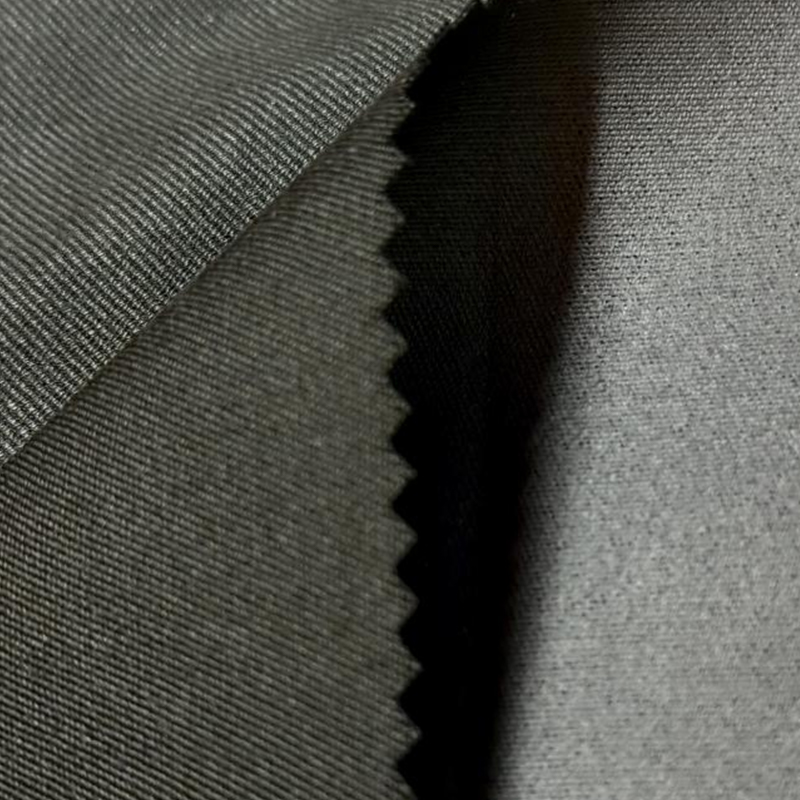
What Factors Matter When Evaluating Heat Resistant Fabric Behavior
Evaluation of heat resistant behavior usually involves multiple layers of observation rather than one simple measurement. Heat source type plays a major role, since direct flame, radiant heat, and indirect thermal contact all produce different response patterns inside fabric structure.
Exposure time is another important factor. Short exposure often highlights surface reaction, while longer exposure reveals internal heat movement and deeper structural response. These two conditions can produce very different impressions of the same material behavior.
Fabric density and internal arrangement also influence results. Tight structures slow heat movement, while open structures allow faster transfer. Layered construction modifies both behaviors by dividing heat into stages rather than allowing direct movement through a single path.
After exposure behavior is also important. Some fabrics retain shape after cooling, while others show gradual structural relaxation. That post-exposure behavior often reflects how stable internal bonding remains after thermal stress.
Maintenance and reuse conditions can also influence long term evaluation. Repeated heating cycles may gradually shift fiber alignment, and that change can affect how fabric responds in future exposure situations. Over time, performance is shaped not only by initial structure, but also by accumulated thermal history.
Fabric response under heat follows a layered and time-dependent pattern rather than a single uniform reaction. Outer surface reacts first, inner layers respond later, and air gaps inside structure slow down energy transfer between each stage. That layered timing creates gradual change instead of immediate transformation.
Different heat sources influence speed and pattern of reaction, yet internal structure remains central in controlling overall behavior. Density, layering, and fiber arrangement decide how heat spreads and how long stability can be maintained before deeper change appears.
Across repeated exposure conditions, material behavior becomes a result of accumulated internal adjustments rather than one isolated event. Structure slowly adapts, shifts, and settles under thermal influence over time.
In applications involving Fireproof Fabric Material, performance is closely tied to how well internal layers manage heat movement delay, allowing fabric to maintain usable form under continuous or repeated heat exposure conditions.

-
 905, Yanxiang Technology Building, Binkang Road, Binjiang District, Hangzhou City, Zhejiang Province, China
 -
 +86-057186797597
 -
 +86-15658877105
 -

- QUICK LINKS
- Home
- About BlackFire
- Our Story
- FAQ
- QUICK LINKS
- Technology
- Application
- Contact Us
- NEWS & INSIGHTS
- Company News
- Industry News
Don't hesitate to contact when you need us!

