


 English
  عربى
عربى  中文简体
中文简体
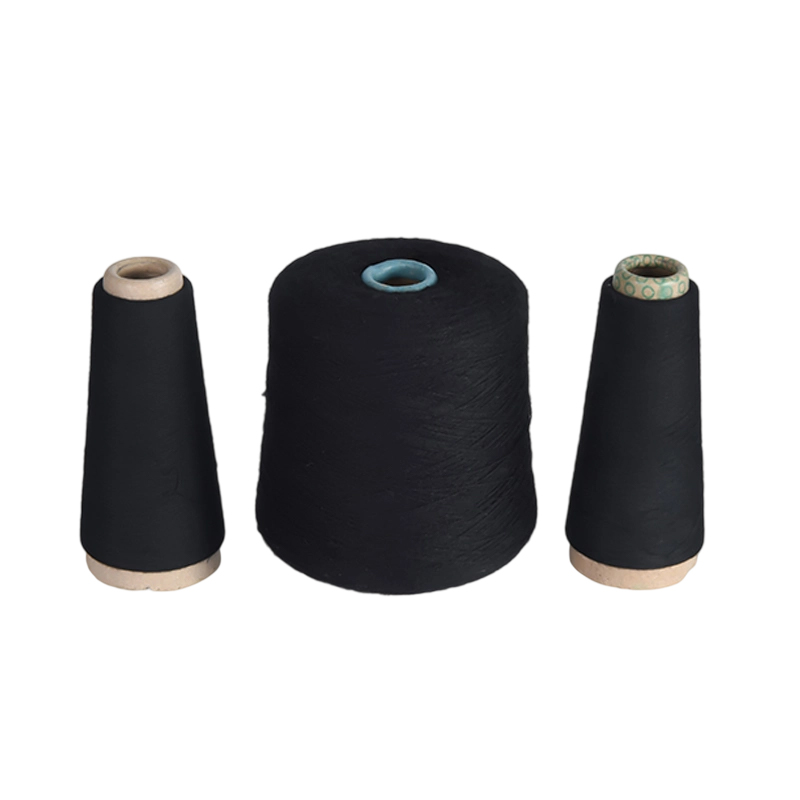
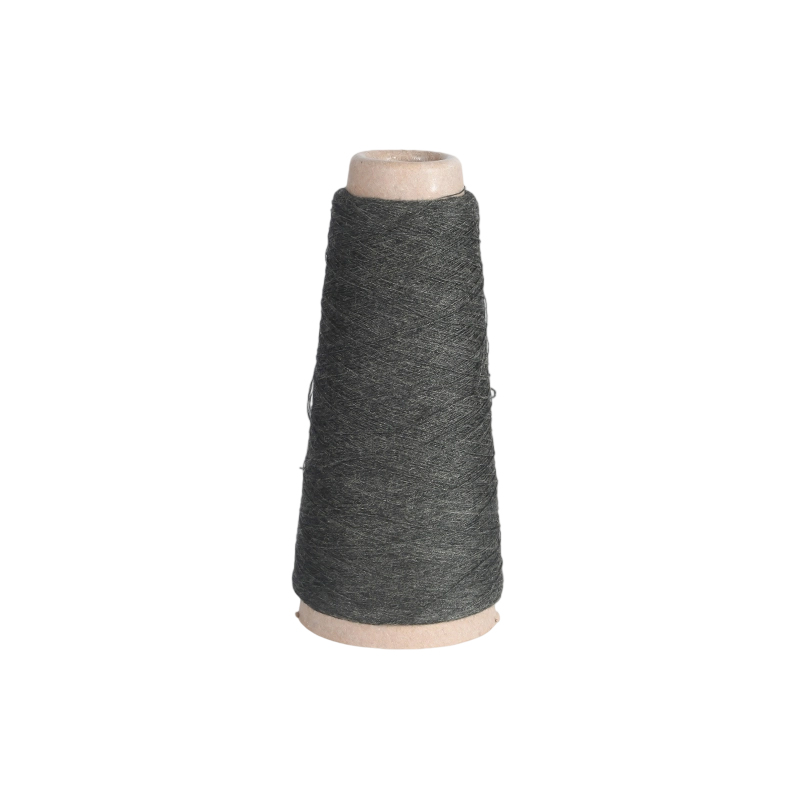
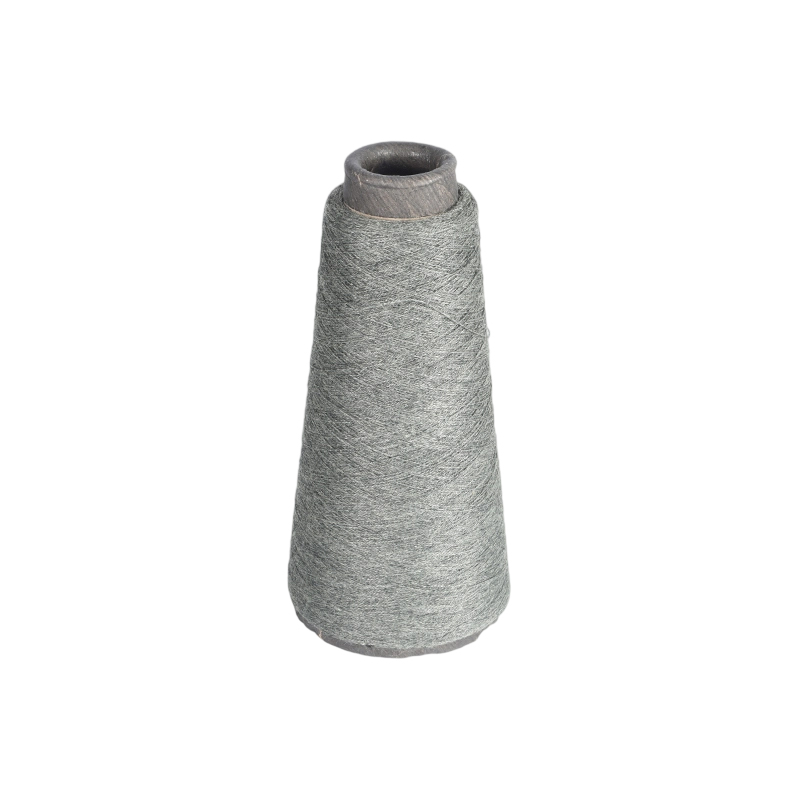
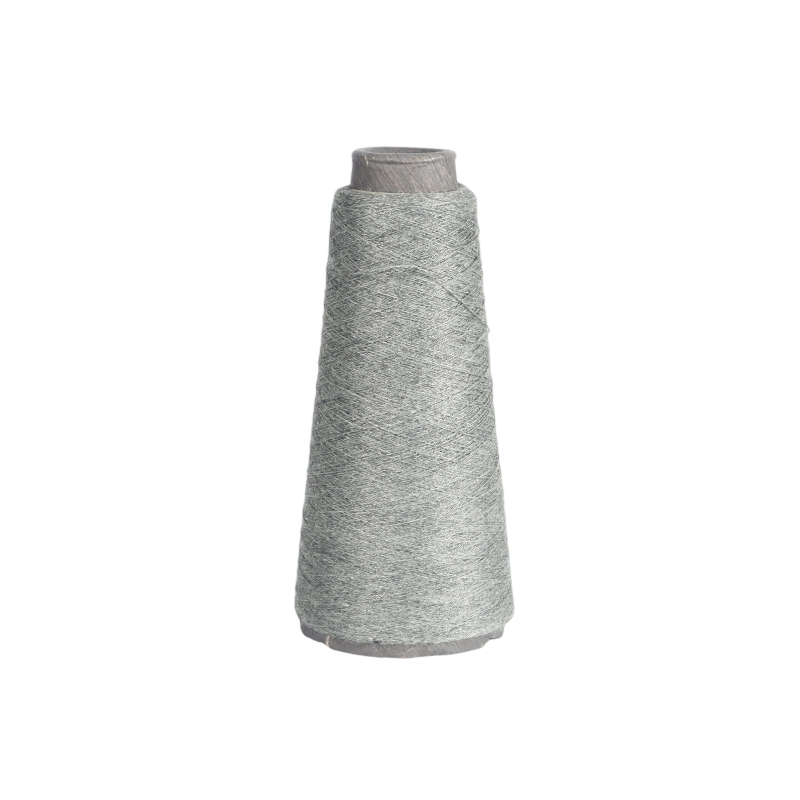
Carbonlene Yarn 20 Count
Honor
-
 Certificate of Honor
 -
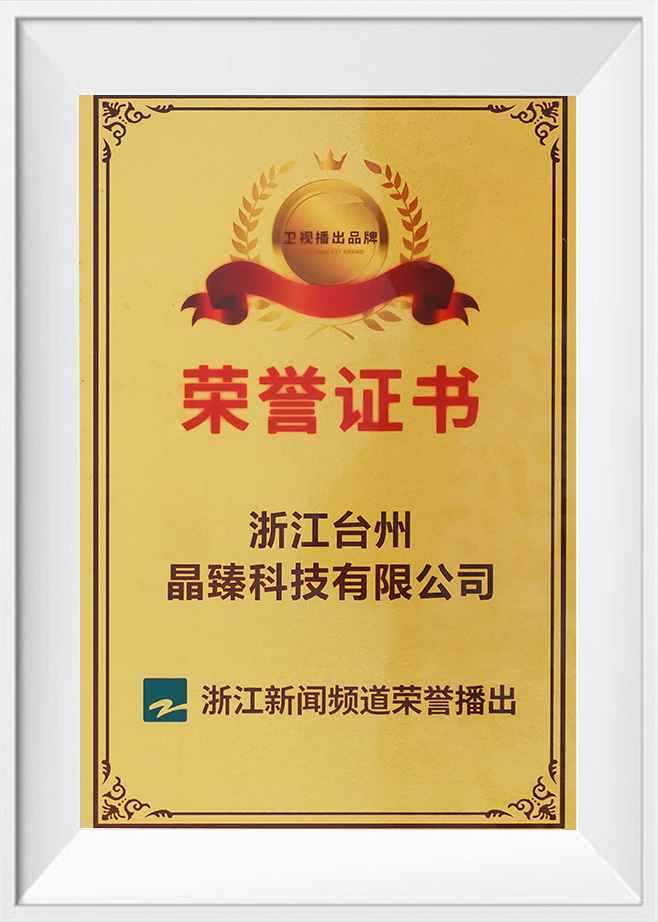 Certificate of Honor
 -
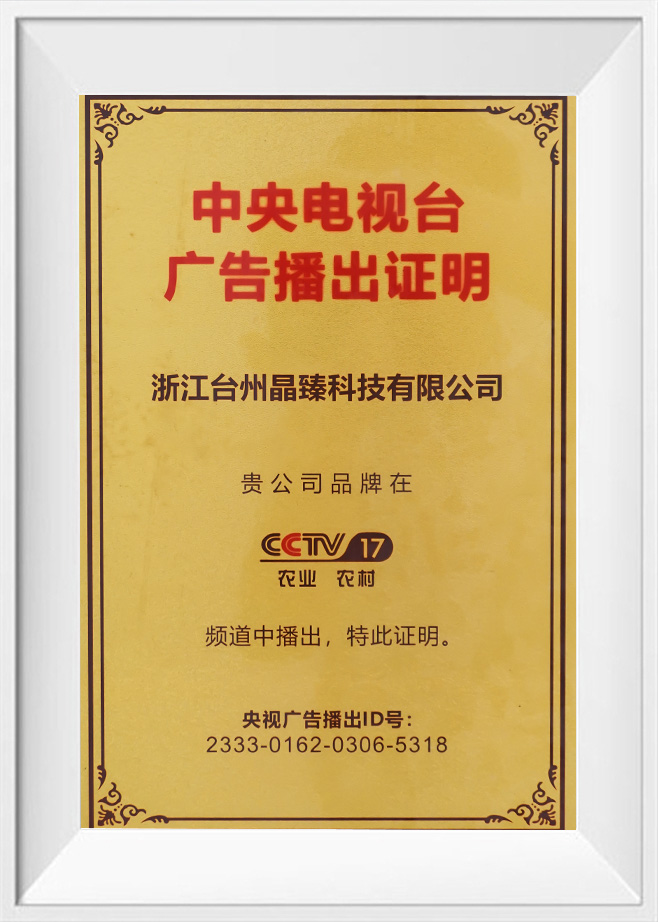 China Central Television Advertising Broadcast Certificate
 -
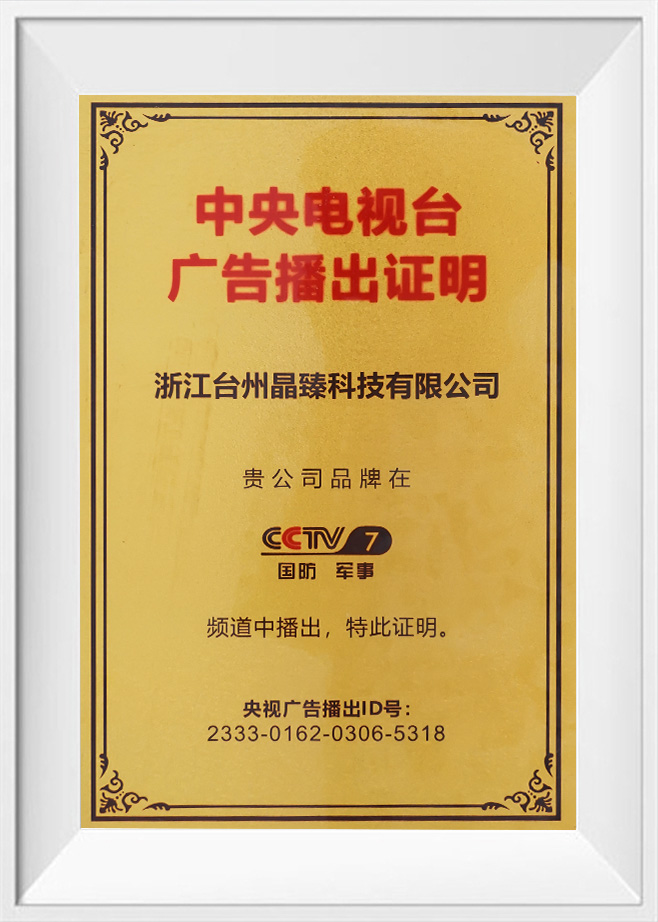 China Central Television Advertising Broadcast Certificate
News
-
Industry News 2026-07-10
Industrial workplaces often expose equipment and surrounding materials to continuous heat, temporary high temp...
View More -
Industry News 2026-07-03
Heat reaching fabric does not trigger a single instant reaction. Surface usually feels the change earlier, whi...
View More -
Latest News 2026-07-02
On June 26th, to celebrate the 105th anniversary of the founding of the Communist Party of China and the 20th ...
View More
Contact Us Now
Carbonlene Yarn 20 Count Industry Knowledge Extension
What Role Does Carbonlene Yarn 20 Count Play in Fire Safety Applications?
In the development of protective textiles, Carbonlene Yarn 20 Count has gradually gained recognition. This material is valued for its balance of strength, fineness, and stability during weaving. Its uniform count allows fabric manufacturers to produce fabrics that meet precise specifications while maintaining consistency across batches. In industries where fabric quality directly affects performance, such consistency is a major advantage.
Another point worth noting is the versatility of Carbonlene Yarn 20 Count in blending with other materials. Whether combined with natural fibers for comfort or with synthetics for durability, it provides flexibility in fabric design. The yarn’s structure also supports effective treatment with flame-resistant chemicals, ensuring that the finished textiles not only perform mechanically but also contribute to safety standards.
How Does Flame Retardant Yarn Improve Fabric Safety?
The primary value of Flame Retardant Yarn lies in its ability to slow down or prevent the spread of fire. When woven into fabrics, it reduces the risk of rapid ignition and gives users more time to react in emergency situations. This characteristic is especially relevant in industries such as construction, transportation, and protective clothing manufacturing.
Flame Retardant Yarn can be engineered to maintain its protective qualities even after multiple wash cycles. This makes it practical for workwear or uniforms that undergo regular use. Manufacturers often integrate such yarn into seat covers, curtains, and industrial fabrics, ensuring that safety standards are met without compromising on design or durability.
In terms of processing, the yarn adapts well to various textile manufacturing techniques. Whether used in knitting or weaving, it allows factories to produce a wide range of products tailored to specific fire protection requirements.
What Makes Carbon Fiber Yarn Significant in the Industry?
Carbon Fiber Yarn is known for its combination of strength, heat resistance, and lightweight characteristics. Unlike many traditional fibers, it can withstand extreme conditions while maintaining structural stability. In the field of flame-resistant fabrics, this feature is invaluable.
Manufacturers use Carbon Fiber Yarn not only for personal protective equipment but also in technical textiles for aerospace, automotive, and industrial settings. Its integration into fabrics provides both durability and thermal stability. While it is often associated with high-performance industries, its role in safety textiles highlights its broader importance.
Carbon Fiber Yarn can be woven with other yarns, such as Carbonlene Yarn 20 Count or Flame Retardant Yarn, to achieve a balance of strength, comfort, and fire resistance. This compatibility expands design options and supports innovation within the textile sector.
How Do These Yarns Contribute to the Future of Fire-Resistant Fabrics?
The ongoing evolution of fire-resistant textiles depends on combining materials with complementary strengths. Carbonlene Yarn 20 Count ensures stability and consistency in production, Flame Retardant Yarn directly improves safety, and Carbon Fiber Yarn adds durability and resilience under heat. Each plays a unique role, but together, they enable manufacturers to meet rising demands for protective fabrics across different industries.
As workplace safety standards continue to grow, the integration of these specialized yarns will shape the next generation of textiles. By focusing on performance, adaptability, and reliability, the industry can provide solutions that not only protect but also remain practical for everyday use.

-
 905, Yanxiang Technology Building, Binkang Road, Binjiang District, Hangzhou City, Zhejiang Province, China
 -
 +86-057186797597
 -
 +86-15658877105
 -

- QUICK LINKS
- Home
- About BlackFire
- Our Story
- FAQ
- QUICK LINKS
- Technology
- Application
- Contact Us
- NEWS & INSIGHTS
- Company News
- Industry News

