


 English
  عربى
عربى  中文简体
中文简体
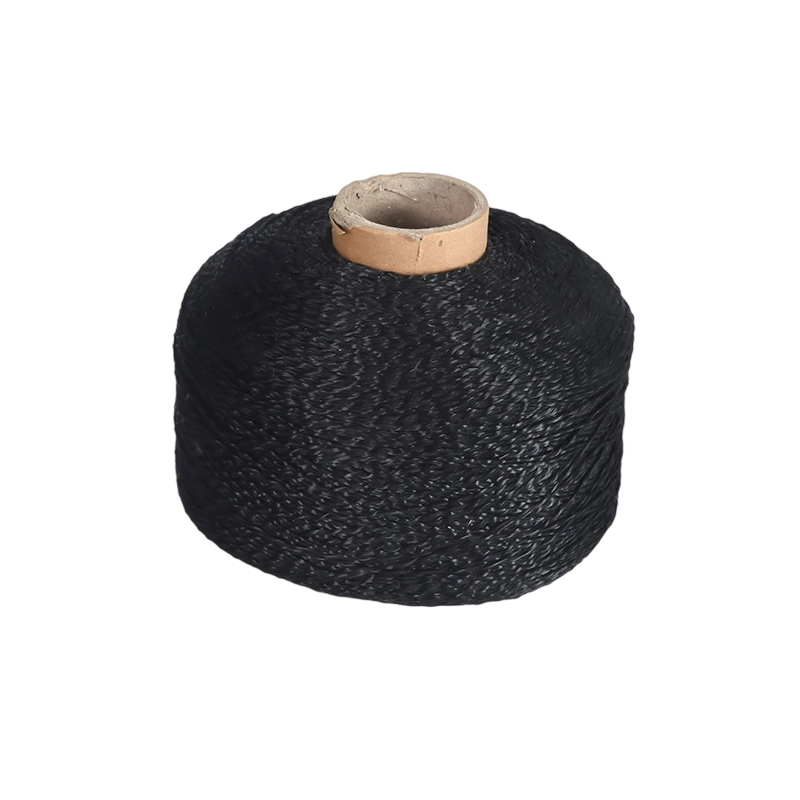
Carbonlene Yarn 1.7 Count
Honor
-
 Certificate of Honor
 -
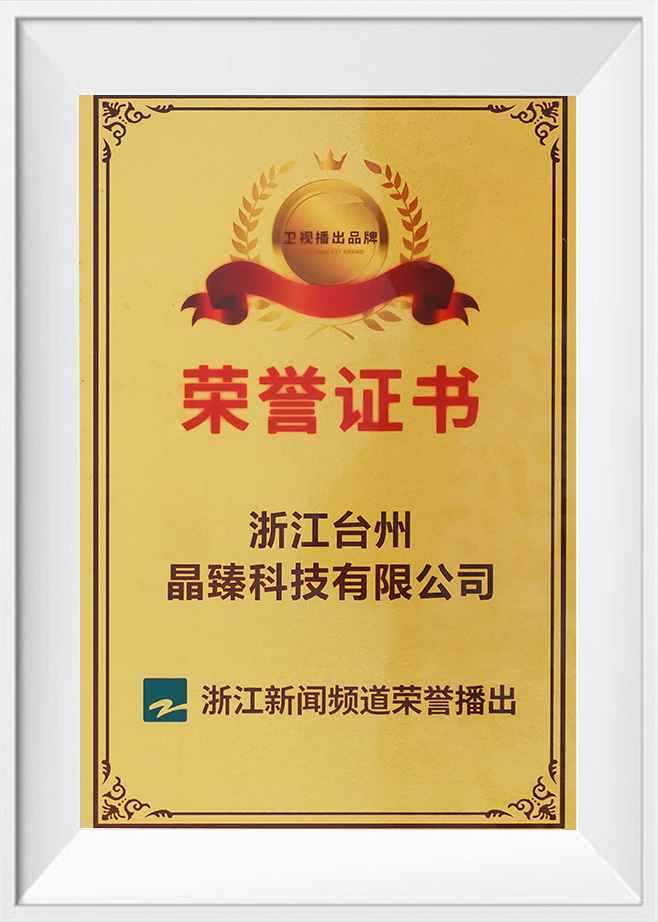 Certificate of Honor
 -
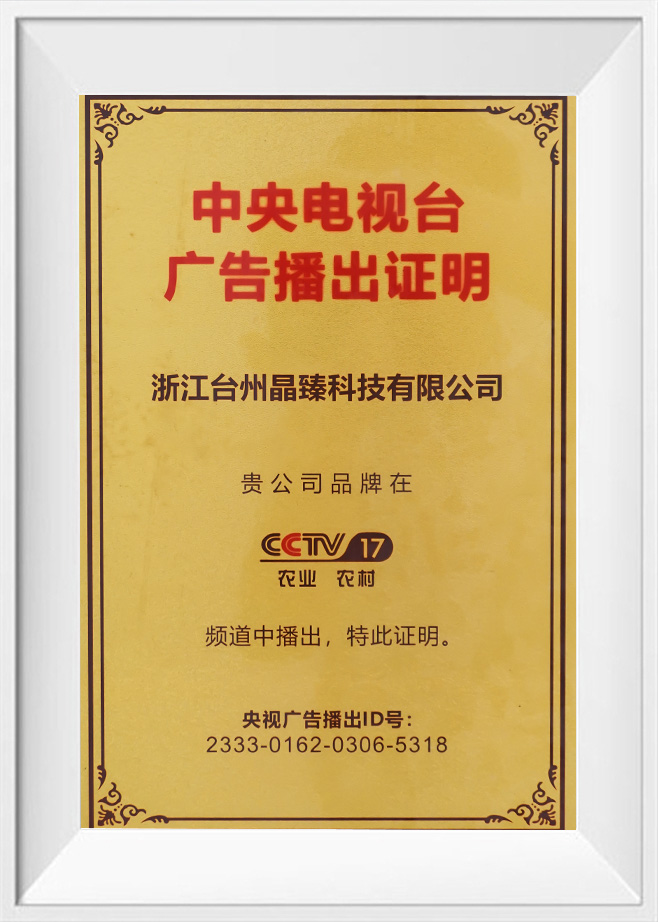 China Central Television Advertising Broadcast Certificate
 -
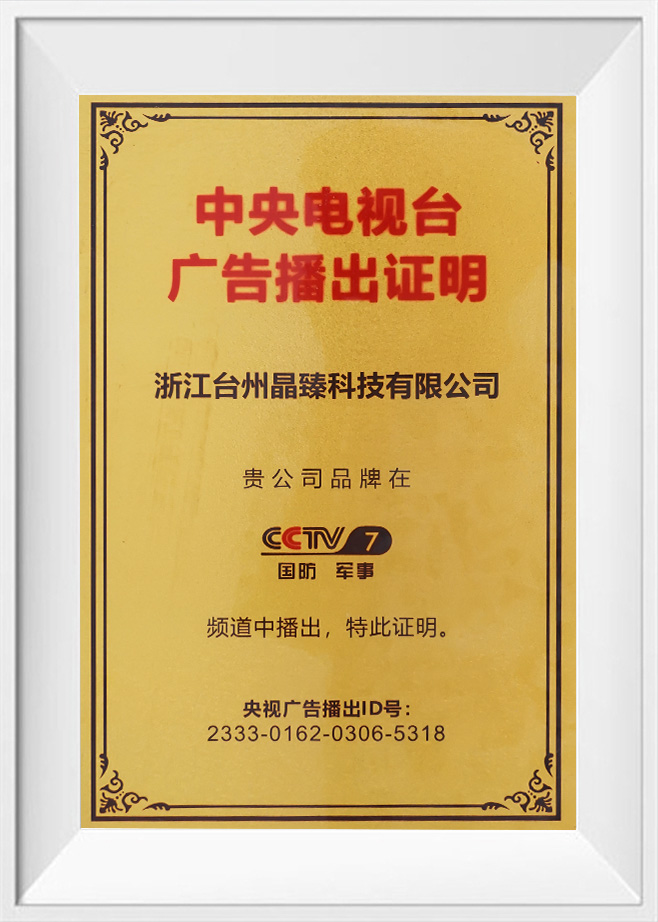 China Central Television Advertising Broadcast Certificate
News
-
Industry News 2026-07-17
Fabrics working near heat sources deal with conditions that ordinary textiles just weren't built to handle. Co...
View More -
Latest News 2026-07-13
Standards are the yardstick for industry progress. In the emerging field of functional composite fabrics, Blac...
View More -
Industry News 2026-07-10
Industrial workplaces often expose equipment and surrounding materials to continuous heat, temporary high temp...
View More
Contact Us Now
Carbonlene Yarn 1.7 Count Industry Knowledge Extension
What Makes Carbonlene Yarn 1.7 Count Different in the Market?
Carbonlene Yarn 1.7 Count represents a coarser form of technical yarn, valued for its balance of strength, durability, and fire-resistance potential. In the textile industry, finer counts are often used for lightweight fabrics, while coarser counts such as 1.7 are selected for heavy-duty applications. The structure of this yarn allows manufacturers to integrate it into protective fabrics, upholstery, and technical textiles that require a solid base. Its bulkiness also provides room for combining various treatments that enhance resistance to fire, making it suitable for workwear, transport interiors, and industrial protective layers.
Why Is Flame Resistant Fiber Essential in Protective Textiles?
Flame resistant fiber is the core component of fabrics designed for environments where exposure to heat and sparks is common. Unlike standard fibers that may ignite or melt quickly, these fibers are engineered to slow down ignition, control flame spread, and reduce heat transfer. When blended with Carbonlene Yarn 1.7 Count, flame resistant fiber improves the fabric’s ability to maintain structural integrity during high-temperature exposure. This combination is often applied in uniforms for welders, firefighters, and industrial workers, where prolonged safety performance is a requirement.
How Does Fire Retardant Material Contribute to Safety?
While fibers and yarns form the foundation, the concept of fire retardant material extends to treatments, coatings, and composite layers used in textiles. A fire retardant material is designed to resist combustion and reduce the spread of flames once a heat source is applied. In many industrial fabrics, manufacturers employ chemical finishes or inherently resistant fibers to achieve this property. When applied to fabrics woven from Carbonlene Yarn 1.7 Count, fire retardant material treatments enhance performance, ensuring that the fabric not only withstands flames but also retains flexibility and usability after exposure.
Where Is Carbonlene Yarn 1.7 Count Commonly Used?
Industries that rely on protective fabrics frequently turn to this coarse yarn count. It is particularly valuable in heavy-duty textiles such as conveyor belts, safety covers, and thermal shields. In the automotive and aviation sectors, Carbonlene Yarn 1.7 Count can be integrated into seat covers and insulation layers, especially when combined with flame resistant fiber. In construction, fabrics produced from this yarn provide protective wraps for cables, pipelines, and structures where fire safety is a concern. The adaptability of this yarn count makes it practical for both woven and nonwoven applications.
What Role Does Flame Resistant Fiber Play in Blends?
Blended fabrics are a standard in the fire-safety textile sector. While Carbonlene Yarn 1.7 Count provides thickness and durability, flame resistant fiber introduces enhanced thermal stability and ignition resistance. This blending strategy ensures that the fabric remains comfortable while retaining its protective function. For example, fabrics used in protective uniforms often combine cotton for comfort, Carbonlene Yarn 1.7 Count for structure, and flame resistant fiber for safety. This combination achieves a balance of strength, usability, and fire protection without sacrificing wearer mobility.
How Are Fire Retardant Materials Tested?
Testing is a crucial step before fire retardant material enters the market. Standards such as vertical flammability tests or heat resistance measurements ensure that fabrics meet strict performance requirements. For fabrics made with Carbonlene Yarn 1.7 Count, these tests confirm whether the yarn maintains integrity under flame exposure. Similarly, flame resistant fiber is tested for its ability to withstand direct ignition. Manufacturers may also conduct abrasion, wash durability, and chemical resistance tests, since long-term reliability is just as important as initial flame performance.
What Is the Future Outlook for Fire-Safe Textiles?
The demand for fabrics combining durability, sustainability, and fire resistance continues to grow across industries. Carbonlene Yarn 1.7 Count will remain relevant as industries look for yarns that balance structure with functional performance. Innovations in flame resistant fiber are also expected to expand the range of applications, making fabrics lighter and more versatile. Furthermore, advancements in fire retardant material treatments are aligning with environmental regulations, focusing on safer chemistries without compromising protective function.

-
 905, Yanxiang Technology Building, Binkang Road, Binjiang District, Hangzhou City, Zhejiang Province, China
 -
 +86-057186797597
 -
 +86-15658877105
 -

- QUICK LINKS
- Home
- About BlackFire
- Our Story
- FAQ
- QUICK LINKS
- Technology
- Application
- Contact Us
- NEWS & INSIGHTS
- Company News
- Industry News

