


 English
  عربى
عربى  中文简体
中文简体
Carbonlene Yarn Factory
-
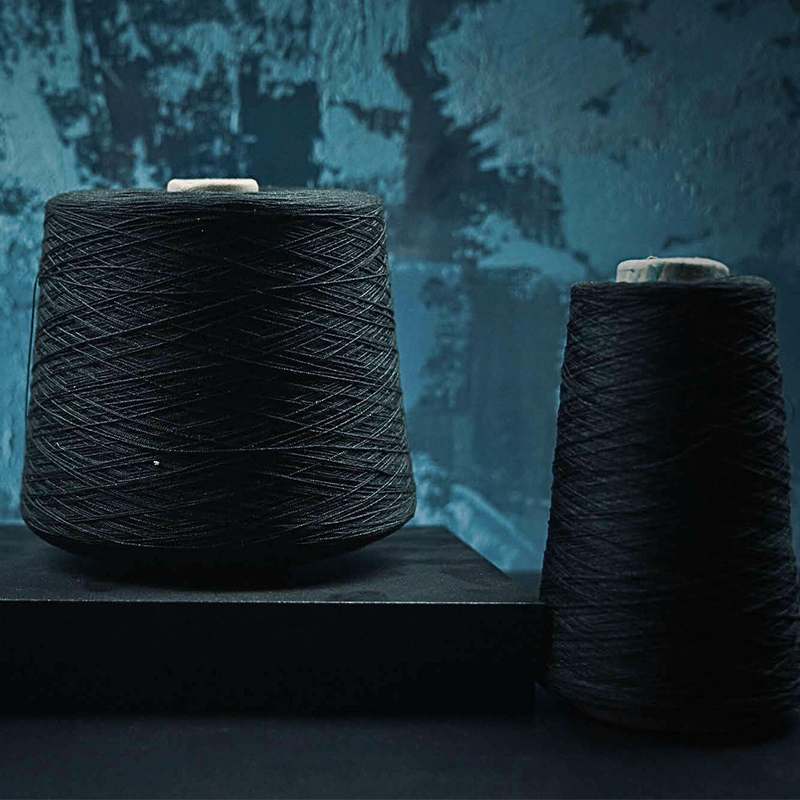
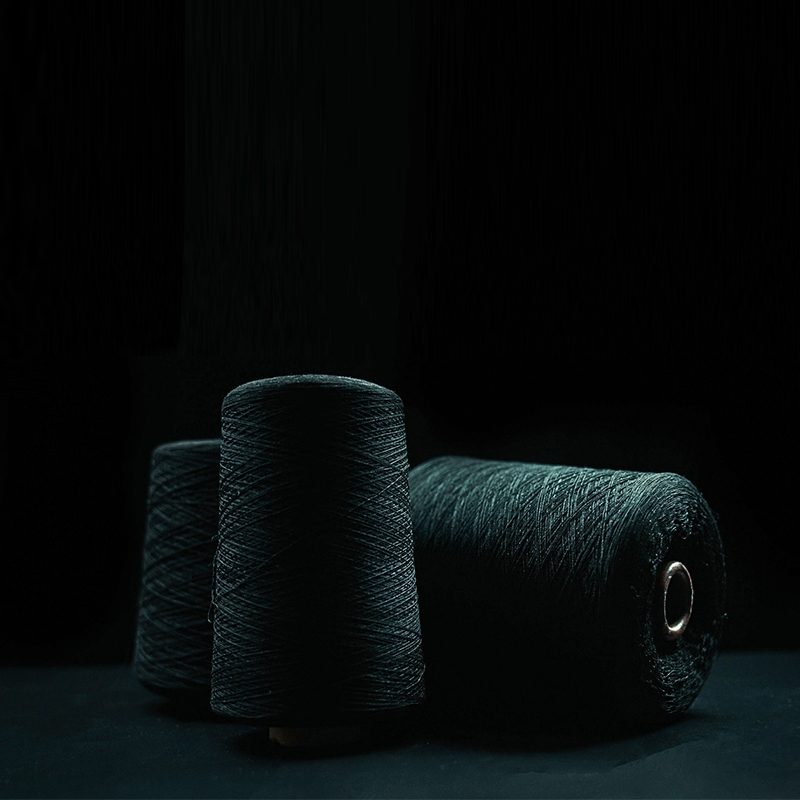
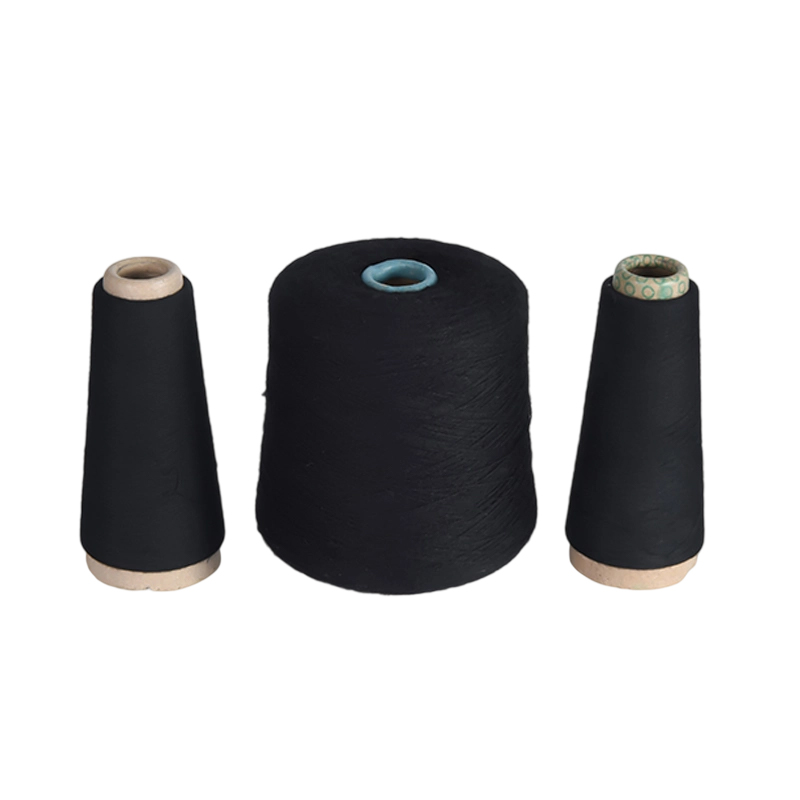
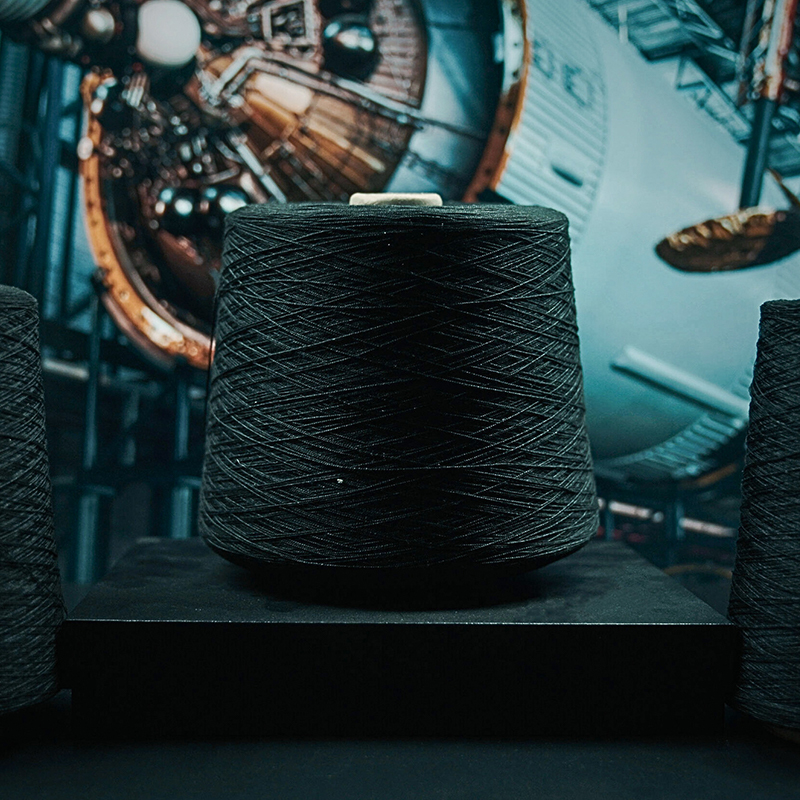
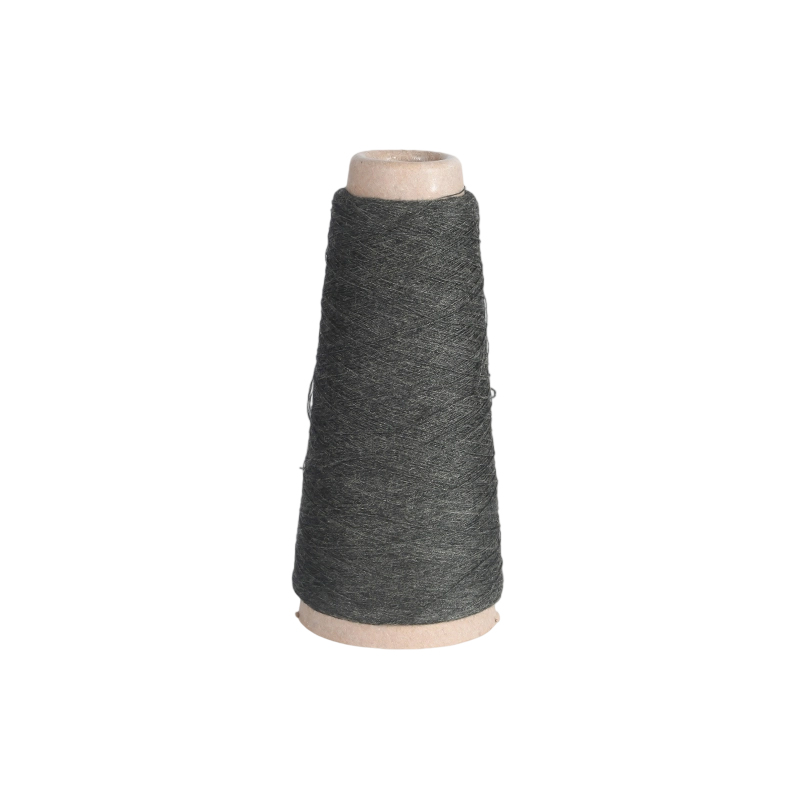
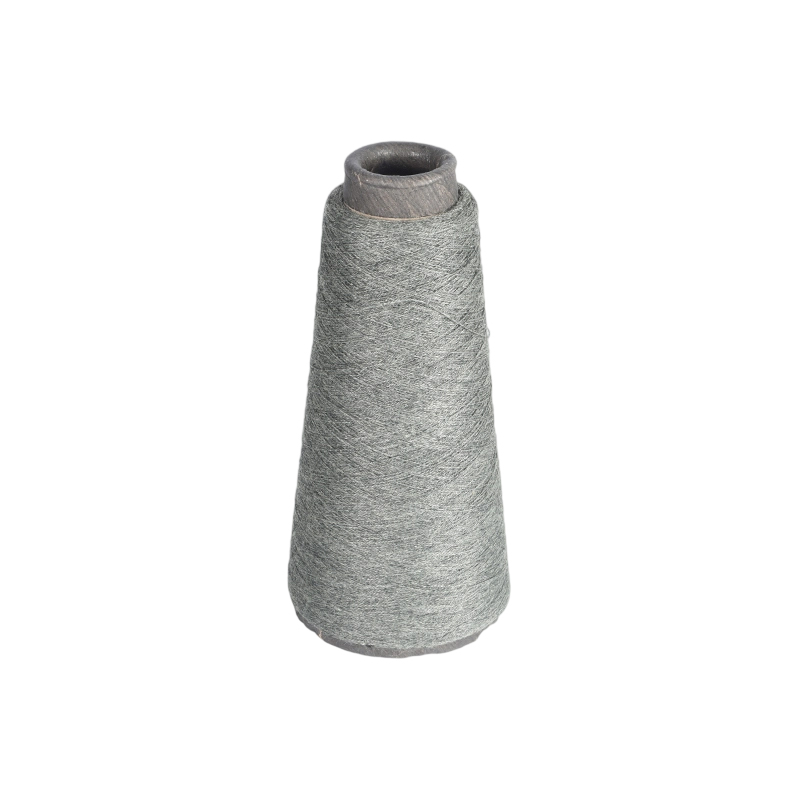
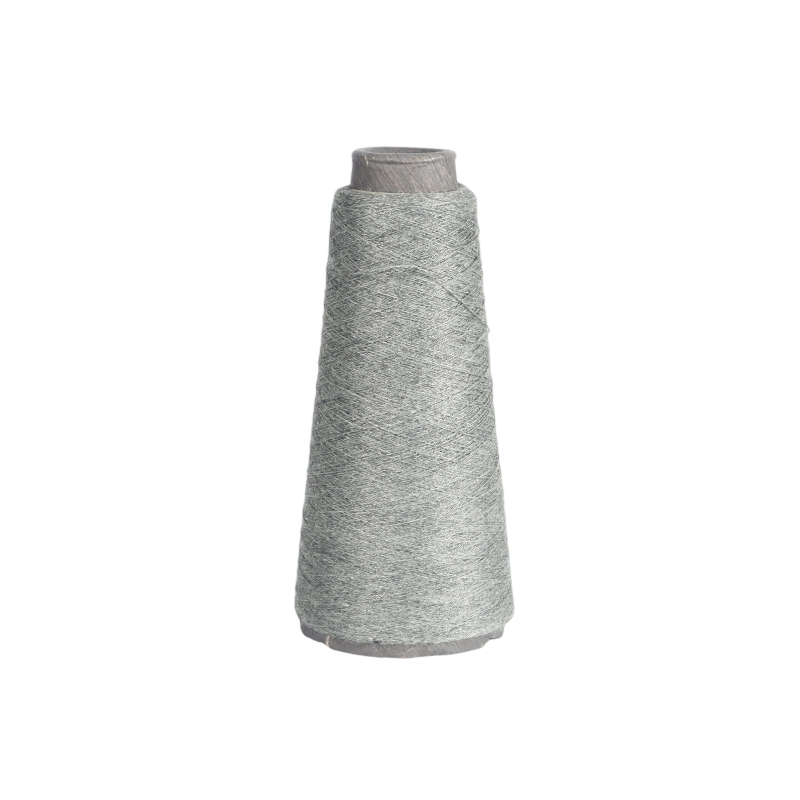
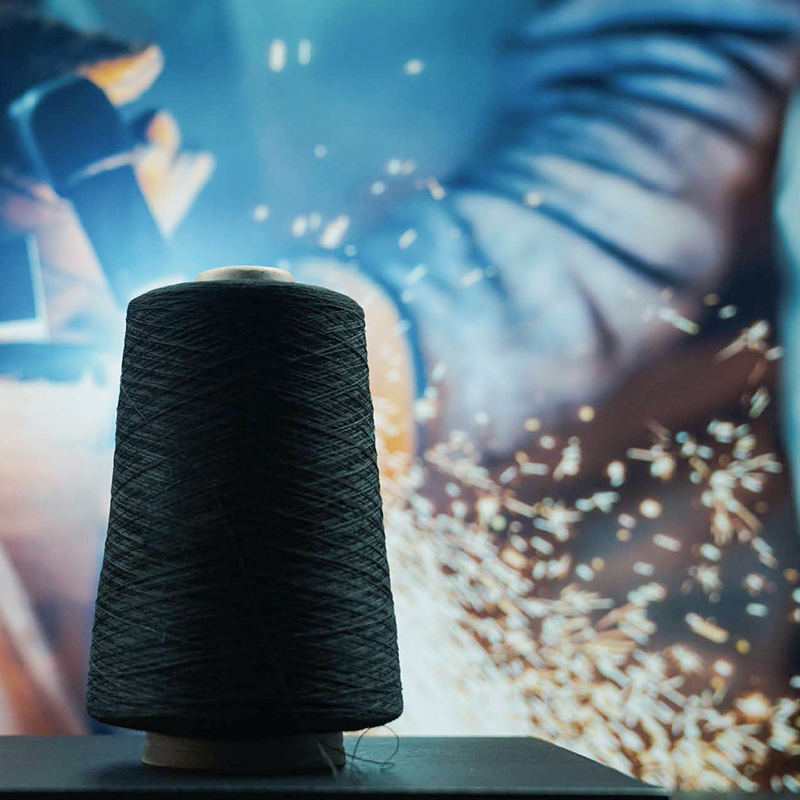
Flame Retardant Carbonlene Yarn 10/2
-
Thermal Insulation Carbonlene Yarn 10/1
-
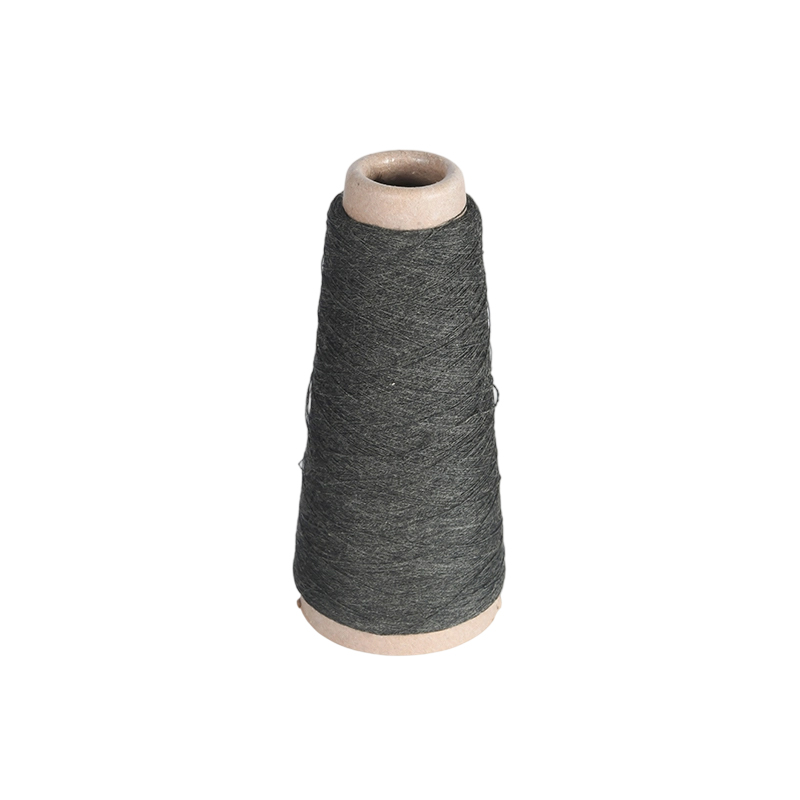
High Strength Blended Carbonlene Yarn 20/2
-
Stable Reliable Carbonlene Yarn 20/1
-
Non-toxic 50% Aramid + 50% Pre-oxidized Yarn Blended 2-ply Yarn
-
Supple 20% Aramid + 80% Pre-oxidized Yarn Blended 2-ply Yarn
-
High-quality 20% Aramid + 80% Pre-oxidized Yarn Blended 4-ply Yarn
-
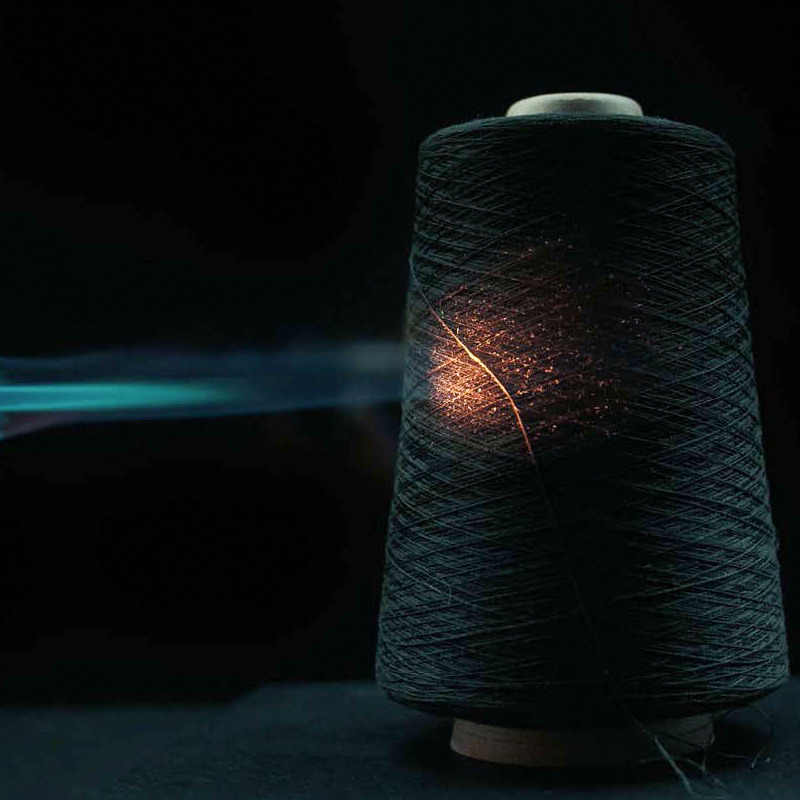
Fire-resistant Carbonlene Yarn 30/2
-
Functional Carbonlene Yarn 30/1
-
Compact 50% Aramid + 50% Pre-oxidized Yarn Blended Single Yarn
-
Protective Carbonlene Yarn 40/1
-
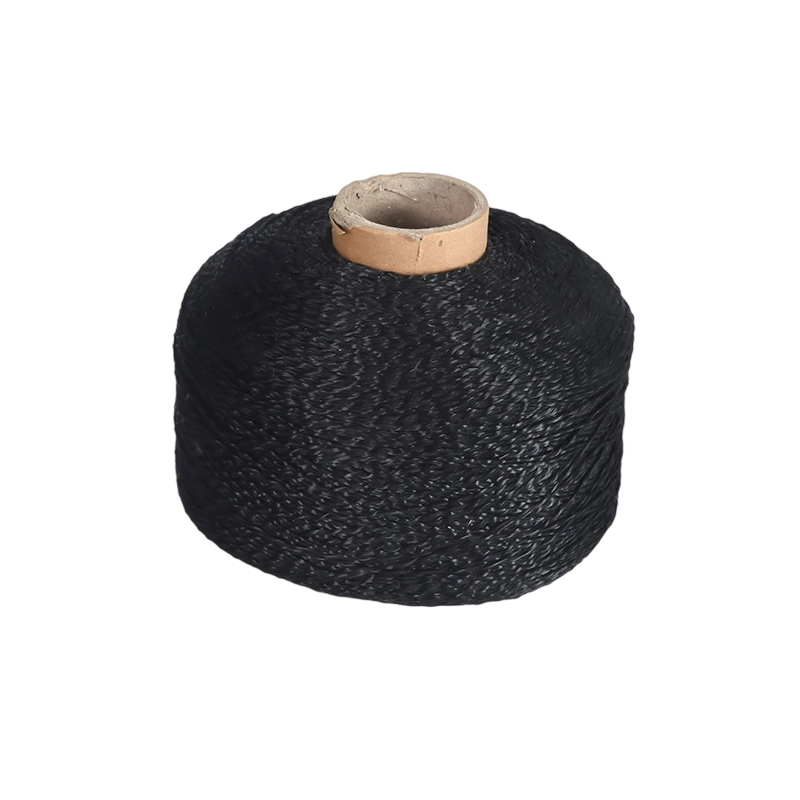
Versatile Roving 1.7/1 (twisted)
Honor
-
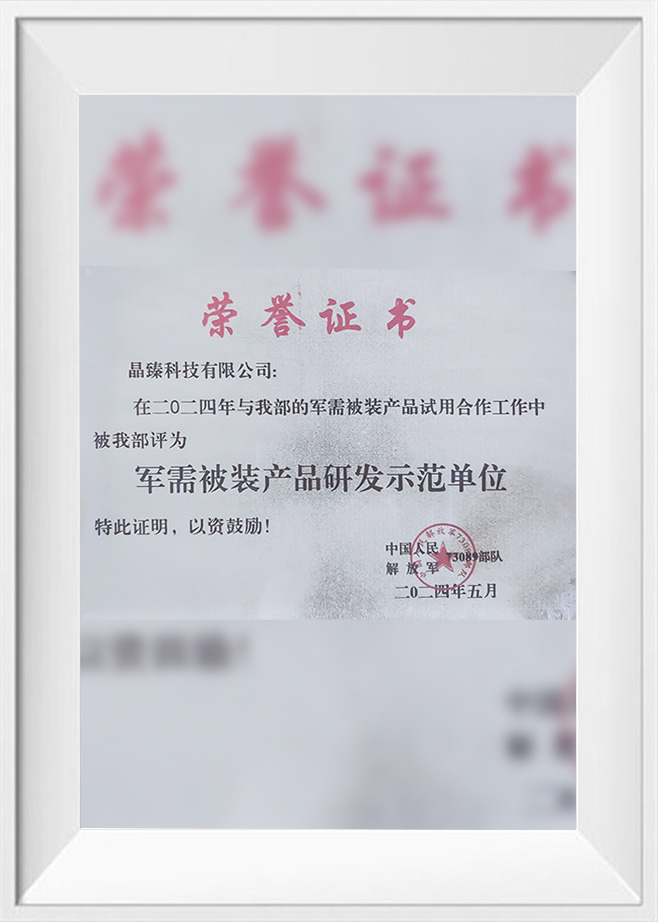 Certificate of Honor
 -
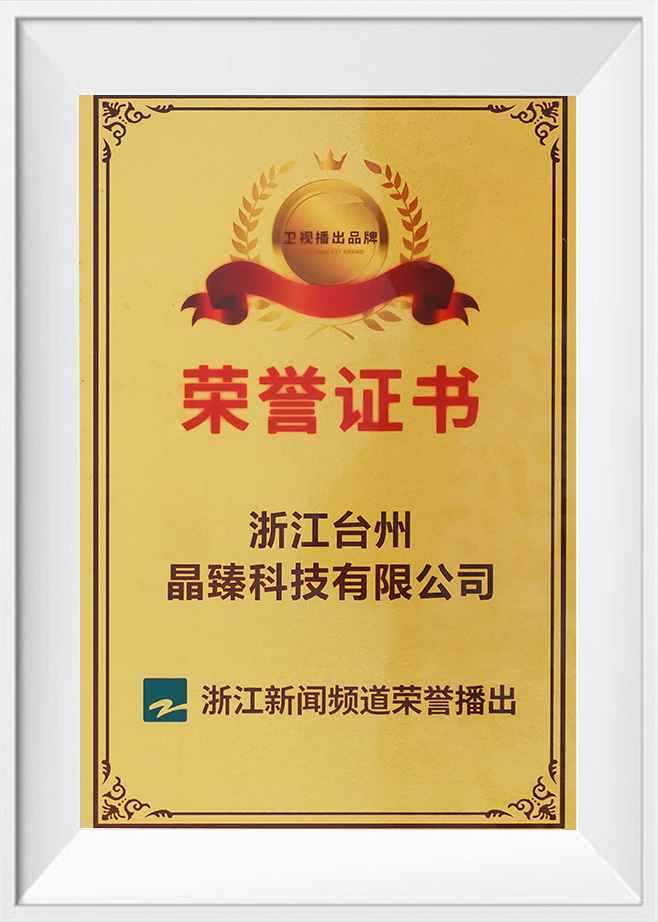 Certificate of Honor
 -
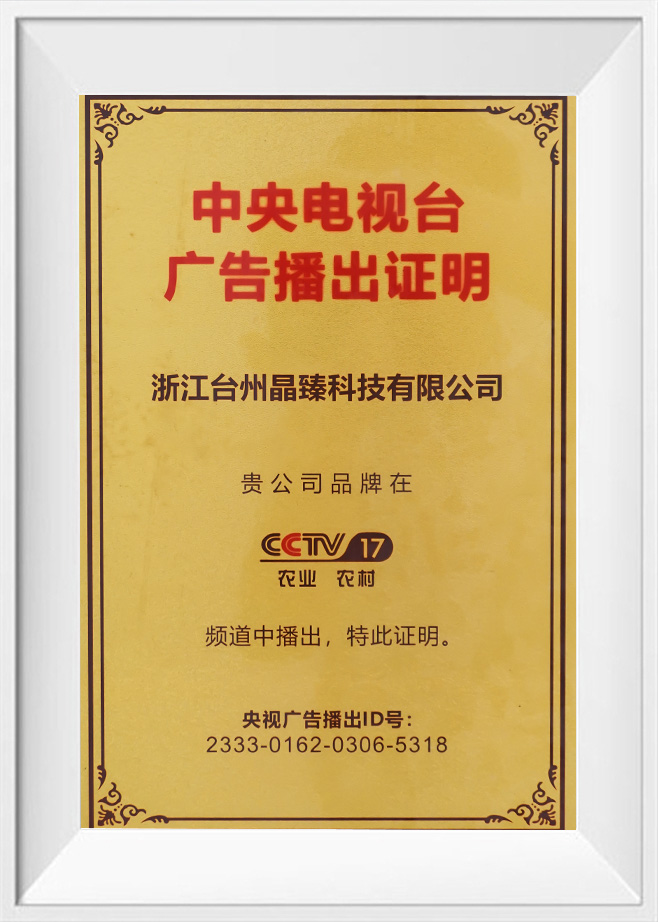 China Central Television Advertising Broadcast Certificate
 -
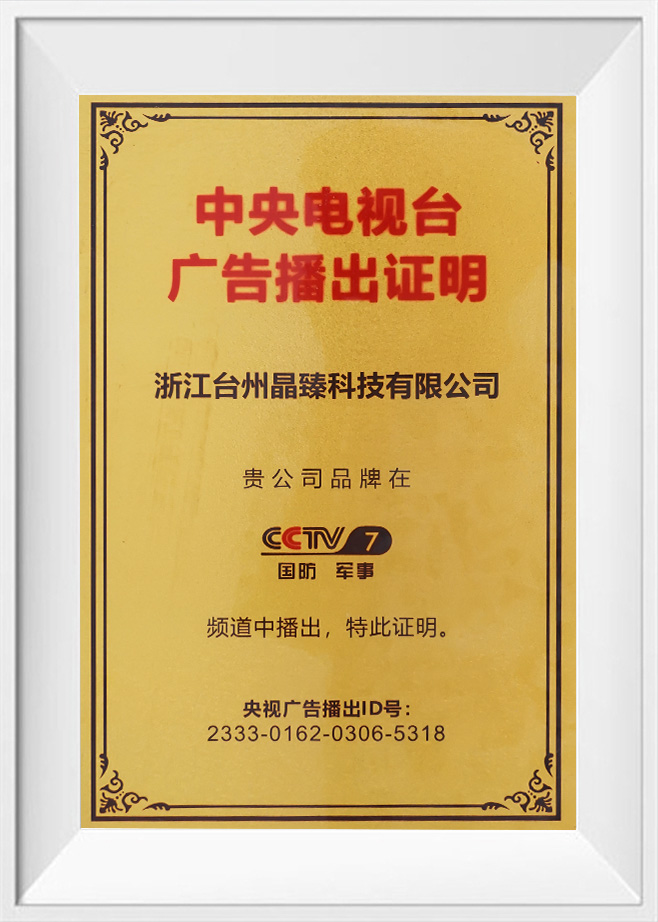 China Central Television Advertising Broadcast Certificate
News
-
Industry News 2026-07-03
Heat reaching fabric does not trigger a single instant reaction. Surface usually feels the change earlier, whi...
View More -
Latest News 2026-07-02
On June 26th, to celebrate the 105th anniversary of the founding of the Communist Party of China and the 20th ...
View More -
Latest News 2026-06-26
In the field of fire safety, two terms are easily confused—"flame retardant" and "non-combustible." Many peopl...
View More
Contact Us Now
Carbonlene Yarn Industry Knowledge Extension
What makes Non-Flammable Yarn different from traditional yarns?
Non-Flammable Yarn is designed to resist ignition even when exposed to open flames. Unlike traditional yarns made from cotton or polyester, which can burn quickly, this type of yarn maintains its structure when subjected to heat. In the industry, Non-Flammable Yarn is commonly used in protective garments, curtains, and upholstery that require enhanced fire safety. Manufacturers achieve this property either by using inherently flame-resistant fibers or by applying treatments that bond protective qualities to the yarn. With its stable performance, Non-Flammable Yarn has become an important choice in workplaces where safety regulations demand reliable fire prevention.
How is Carbonlene Yarn used in industrial applications?
Carbonlene Yarn is a specialized product known for its durability and heat stability. It is often selected for industries such as construction, transportation, and emergency services, where strong resistance to both flames and abrasion is required. The production process of Carbonlene Yarn integrates carbon-based elements that enhance its ability to withstand high stress without losing flexibility. Textile factories frequently use Carbonlene Yarn to manufacture protective fabrics, thermal shields, and filtration materials. Because of its adaptability, this yarn has become a practical solution for projects that balance safety with functionality.
Why is Flame Resistant Yarn essential for protective clothing?
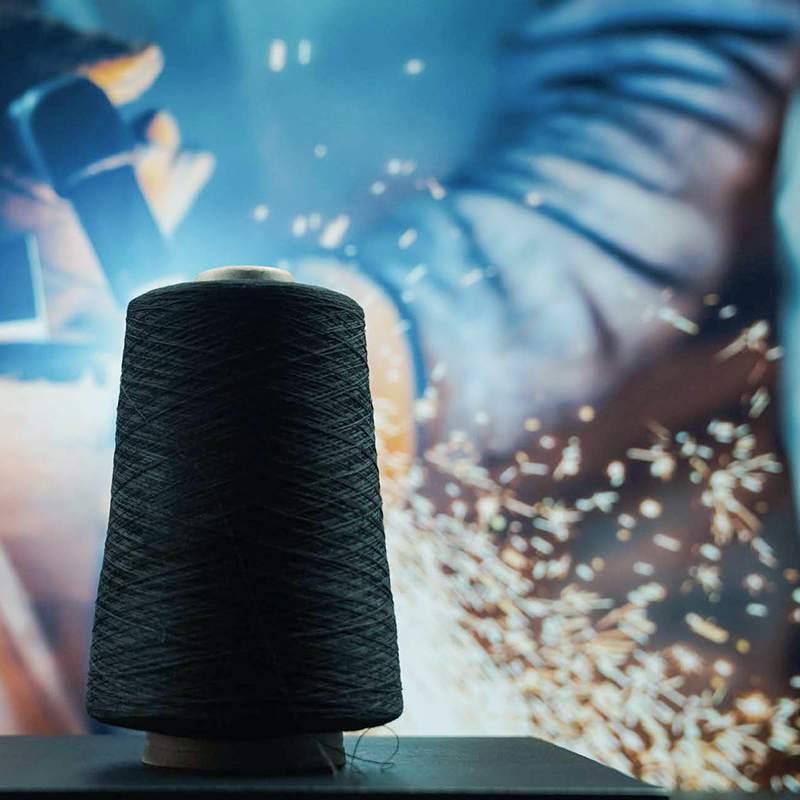
In the safety apparel market, Flame Resistant Yarn plays a crucial role. When woven into fabrics, it allows garments to resist ignition and self-extinguish once the heat source is removed. This quality makes Flame Resistant Yarn a preferred choice for uniforms used in firefighting, welding, and electrical work. Unlike some treated fabrics that lose resistance after repeated washing, many types of Flame Resistant Yarn are engineered to retain their protective qualities throughout the life of the garment. As industries place stronger emphasis on worker protection, the demand for durable Flame Resistant Yarn continues to rise.
What are the advantages of High Temperature Yarn?
High Temperature Yarn is designed to endure extreme heat conditions that go beyond standard fire resistance. It can maintain its structural integrity even at temperatures where other yarns would degrade. In manufacturing, High Temperature Yarn is commonly used for insulation products, seals, gaskets, and heat-resistant textiles. Its stability makes it valuable in environments such as foundries, power plants, and aerospace applications. Unlike ordinary fibers, High Temperature Yarn provides both mechanical strength and long-term resistance, ensuring safety and performance under demanding conditions.
How does the industry ensure the quality of these yarns?
For yarns like Non-Flammable Yarn, Carbonlene Yarn, Flame Resistant Yarn, and High Temperature Yarn, consistent quality is essential. Factories implement strict production processes that include fiber testing, spinning accuracy, and resistance evaluations. Each batch is checked for ignition resistance, tensile strength, and durability under different environmental stresses. This ensures that the yarns can be safely used across a wide range of applications, from protective gear to industrial installations. By maintaining these quality standards, the industry supports both safety requirements and customer trust.
What is the future outlook for fire-retardant yarns?
The need for fire-resistant materials continues to expand across multiple sectors. Non-Flammable Yarn will remain vital for consumer and commercial textiles, while Carbonlene Yarn will see growth in industries that require strength and flexibility. At the same time, Flame Resistant Yarn will continue to shape the protective clothing market, and High Temperature Yarn will play a significant role in advanced engineering fields. As industries adapt to stricter safety standards, these yarns will remain essential building blocks for reliable and durable solutions.
From everyday fabrics to industrial textiles, the role of fire-retardant yarns is clear. Whether it is Non-Flammable Yarn, Carbonlene Yarn, Flame Resistant Yarn, or High Temperature Yarn, each type provides unique advantages for different applications. Through innovation and consistent manufacturing practices, the industry continues to supply materials that protect workers, equipment, and environments under high-risk conditions.

-
 905, Yanxiang Technology Building, Binkang Road, Binjiang District, Hangzhou City, Zhejiang Province, China
 -
 +86-057186797597
 -
 +86-15658877105
 -

- QUICK LINKS
- Home
- About BlackFire
- Our Story
- FAQ
- QUICK LINKS
- Technology
- Application
- Contact Us
- NEWS & INSIGHTS
- Company News
- Industry News

