


 English
  عربى
عربى  中文简体
中文简体
Design Functional Fabric
-
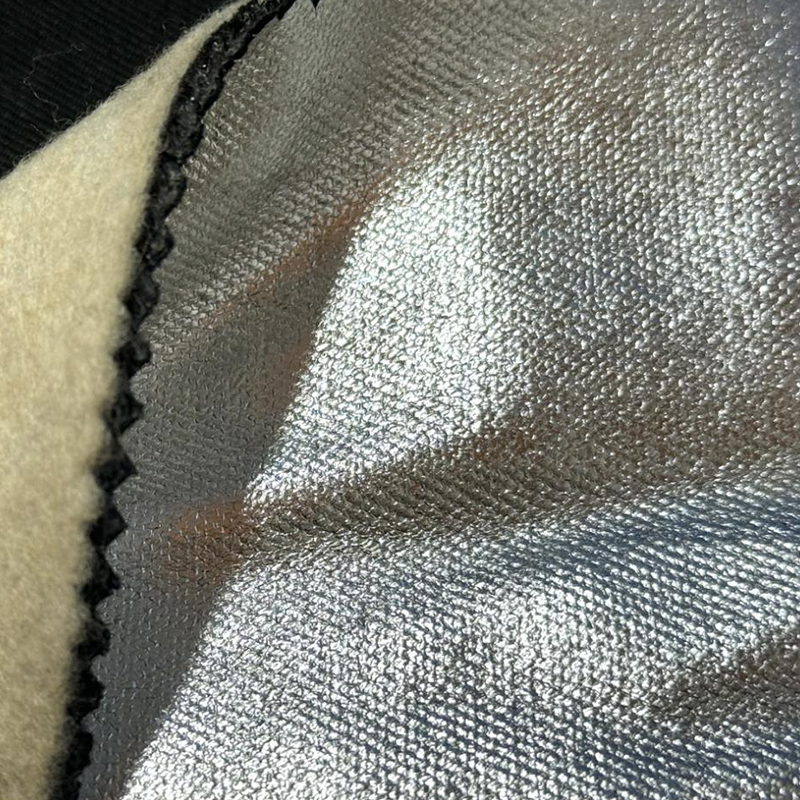
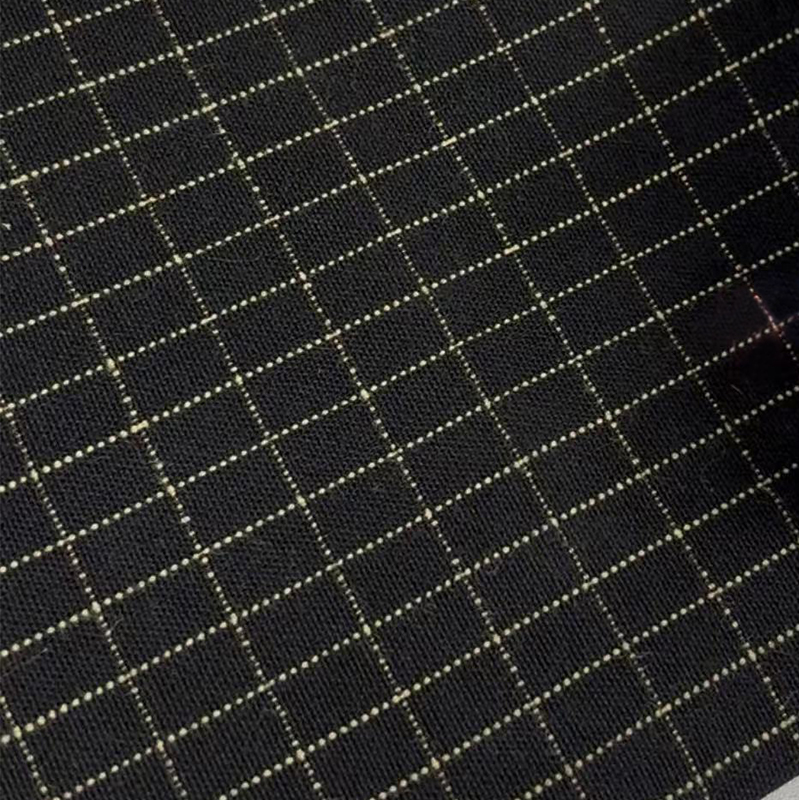
Pure Aluminum-coated Fabric 530g/㎡
-
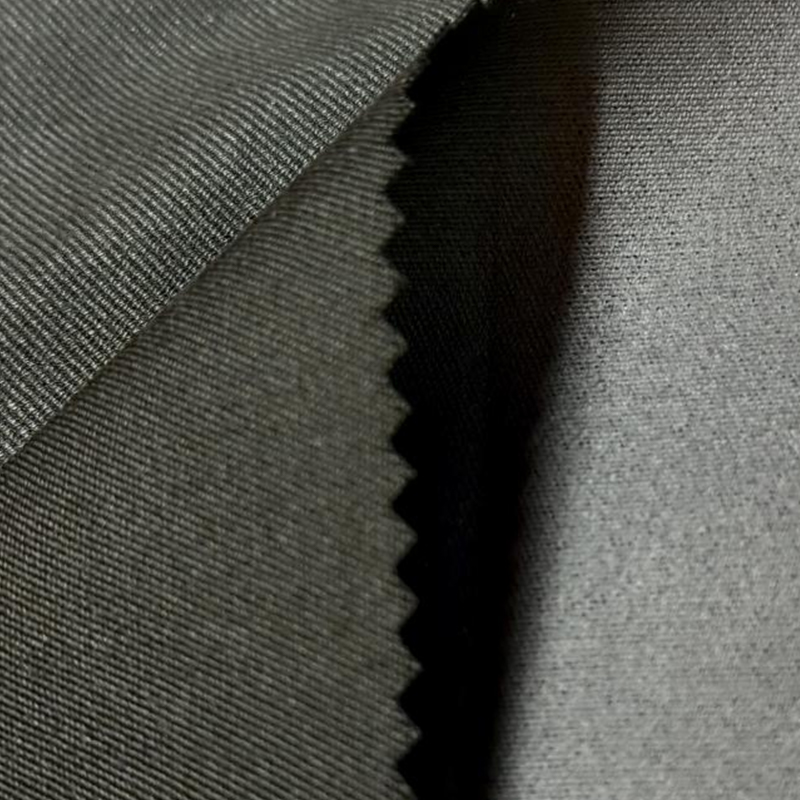
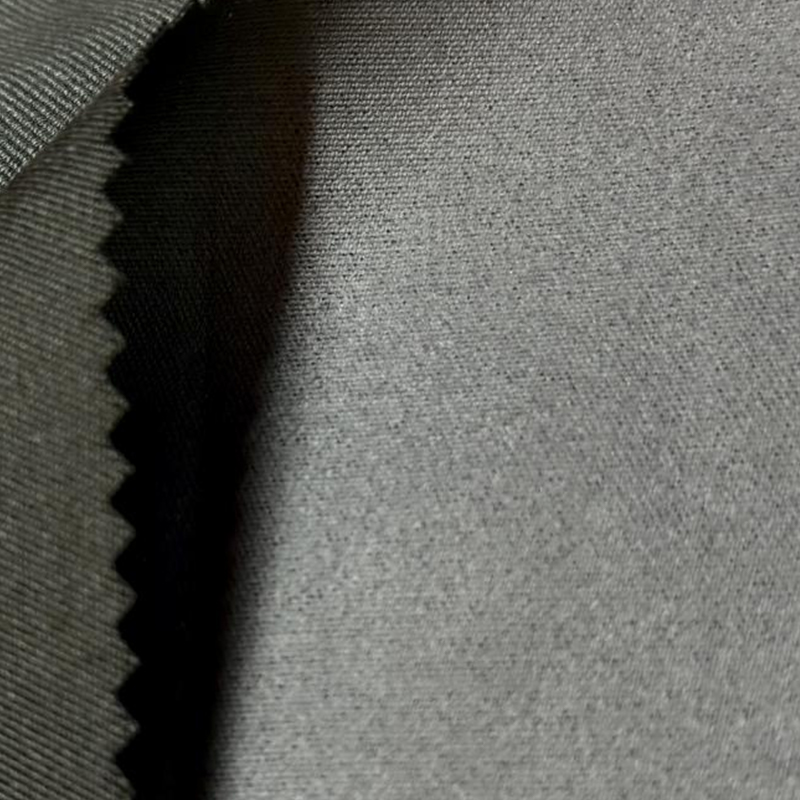
Anti Infrared Imaging Fabric
-
Anti Thermal iImaging Fabric
-
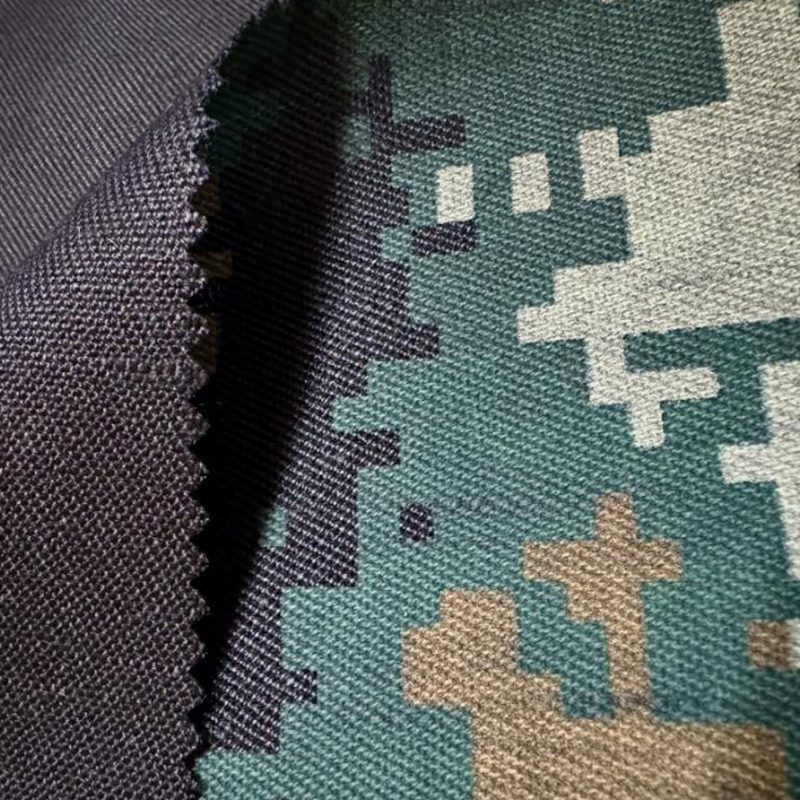
Camouflage Printed Fabric
-
Aramid Mesh Fireproof Fabric
-
280 Composite Silicone Double-sided Carbonlene Flame Retardant Fabric
-
350 Environmentally-friendlyComposite Silicone Double-sided Carbonlene Flame Retardant Fabric
-
480 ReliableComposite Silicone Double-sided Carbonlene Flame Retardant Fabric
-
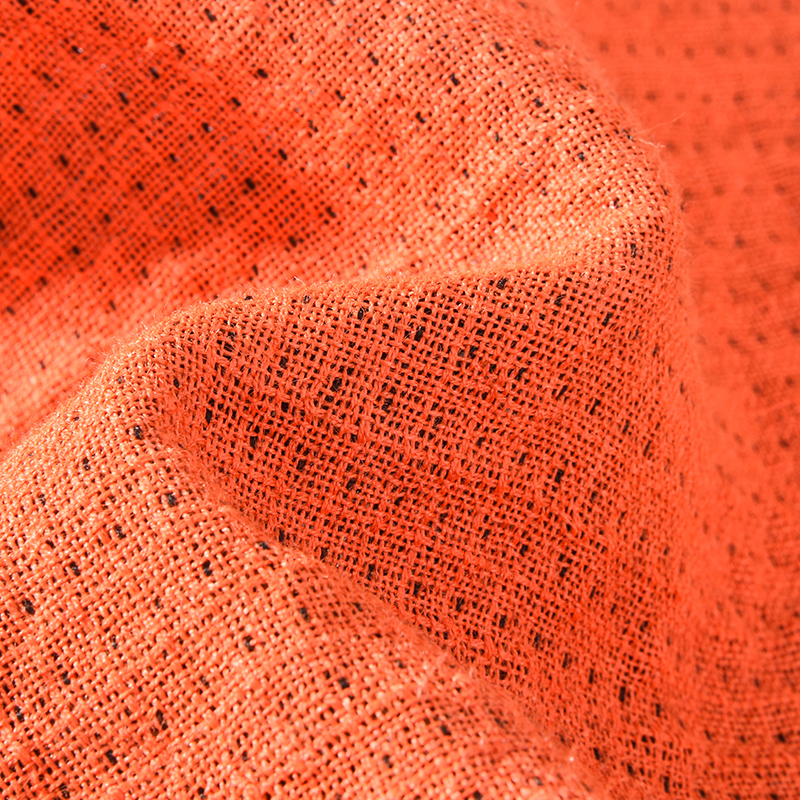
Orange-Red Two-Layer Fabric
-
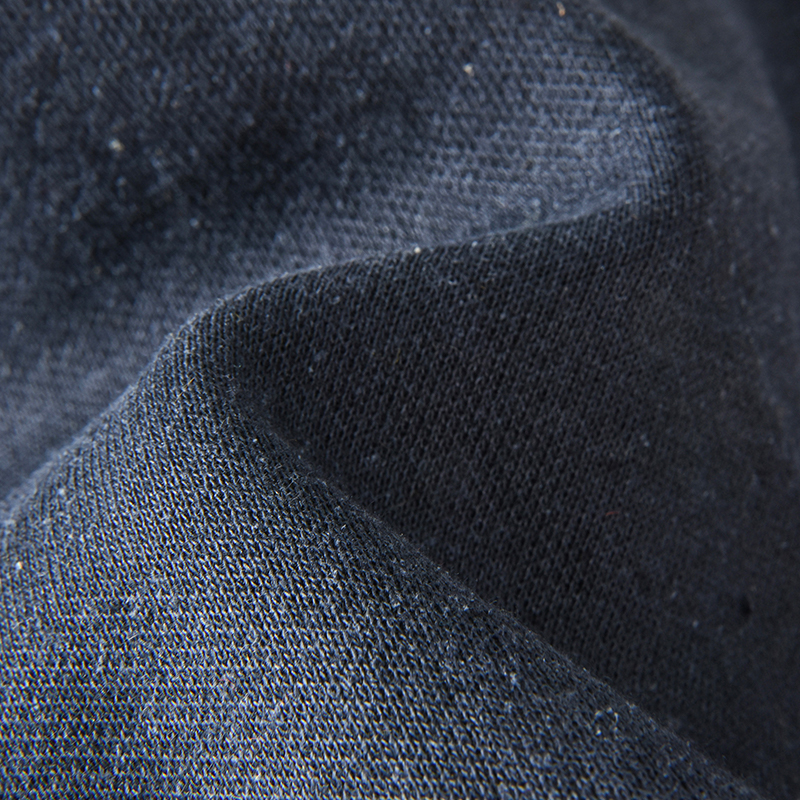
Navy Blue Two-Layer Fabric
-
PTFE Coated Fabric
-
High Thermal Resistance Fabric
Honor
-
 Certificate of Honor
 -
 Certificate of Honor
 -
 China Central Television Advertising Broadcast Certificate
 -
 China Central Television Advertising Broadcast Certificate
News
-
Industry News 2026-07-10
Industrial workplaces often expose equipment and surrounding materials to continuous heat, temporary high temp...
View More -
Industry News 2026-07-03
Heat reaching fabric does not trigger a single instant reaction. Surface usually feels the change earlier, whi...
View More -
Latest News 2026-07-02
On June 26th, to celebrate the 105th anniversary of the founding of the Communist Party of China and the 20th ...
View More
Contact Us Now
Functional Fabric Industry Knowledge Extension
What is Functional Fabric?
Functional fabric refers to textiles engineered to provide specific performance features beyond traditional aesthetics or comfort. In the context of fire-resistant textiles, functional fabric is designed to resist heat, flames, and sometimes chemicals while maintaining flexibility and wearability. These fabrics are widely used in industrial settings, protective clothing, and uniforms where safety and practicality are crucial.
Functional fabric often incorporates fire-retardant fibers or chemical treatments to enhance durability against high temperatures. By combining these features with lightweight and breathable structures, manufacturers can produce textiles suitable for long-term use in demanding environments. This makes functional fabric an essential component in occupational safety apparel.
Why Is Firefighting Fabric Important?
Firefighting fabric is a specialized category of textiles specifically developed for emergency response situations. It is designed to protect personnel from extreme heat, flame exposure, and potential burns. Firefighting fabric often includes multiple layers, combining insulation, moisture resistance, and flame retardancy to provide comprehensive protection.
The use of functional fabric in firefighting suits ensures that the material can withstand repeated exposure to high temperatures while remaining flexible enough for active movement. Firefighting fabric is also tested for tear resistance and longevity, ensuring that protective clothing maintains performance even after extended use or harsh conditions.
How Does Fire Rated Fabric Work?
Fire rated fabric is a type of textile that meets specific safety standards for fire resistance. It is produced using fire-retardant fibers, special weaving techniques, or chemical treatments that slow down ignition and flame propagation. Fire rated fabric is commonly used in workwear, protective gear, curtains, and industrial coverings where fire safety is a concern.
The performance of fire rated fabric depends on the quality of the fibers, the density of the weave, and the finishing processes applied. Incorporating functional fabric elements can enhance durability, breathability, and comfort while maintaining flame resistance. This makes fire rated fabric suitable for both occupational safety and environments where public safety is critical.
What Are the Applications of Fire-Resistant Fabrics?
Fire-resistant fabrics have a wide range of applications across various industries. Functional fabric is used in uniforms, industrial protective clothing, and specialty garments designed for hazardous environments. Firefighting fabric is essential for emergency services, providing protection for firefighters and other first responders. Fire rated fabric is used in industrial workwear, insulation layers, and safety coverings to reduce fire hazards.
Combining functional fabric with fire-rated properties allows manufacturers to create textiles that are both practical and safe. Firefighting fabric benefits from this approach by offering mobility and comfort while ensuring protection. Similarly, industrial workwear made from fire rated fabric provides reliable safety without compromising usability.
What Should Manufacturers Consider?
Manufacturers producing fire-resistant textiles must carefully select fibers, materials, and production techniques to meet safety standards. Functional fabric provides versatility, but its fire-resistant performance must be verified through testing. Firefighting fabric and fire rated fabric require rigorous evaluation to ensure compliance with industry regulations.
Production processes, including weaving, coating, and layering, influence the final performance of the textile. By integrating functional fabric with fire-resistant properties, manufacturers can deliver products that are safe, durable, and suitable for demanding applications. Continuous quality control and adherence to safety standards ensure that fire-resistant textiles perform consistently under real-world conditions.

-
 905, Yanxiang Technology Building, Binkang Road, Binjiang District, Hangzhou City, Zhejiang Province, China
 -
 +86-057186797597
 -
 +86-15658877105
 -

- QUICK LINKS
- Home
- About BlackFire
- Our Story
- FAQ
- QUICK LINKS
- Technology
- Application
- Contact Us
- NEWS & INSIGHTS
- Company News
- Industry News

