


 English
  عربى
عربى  中文简体
中文简体
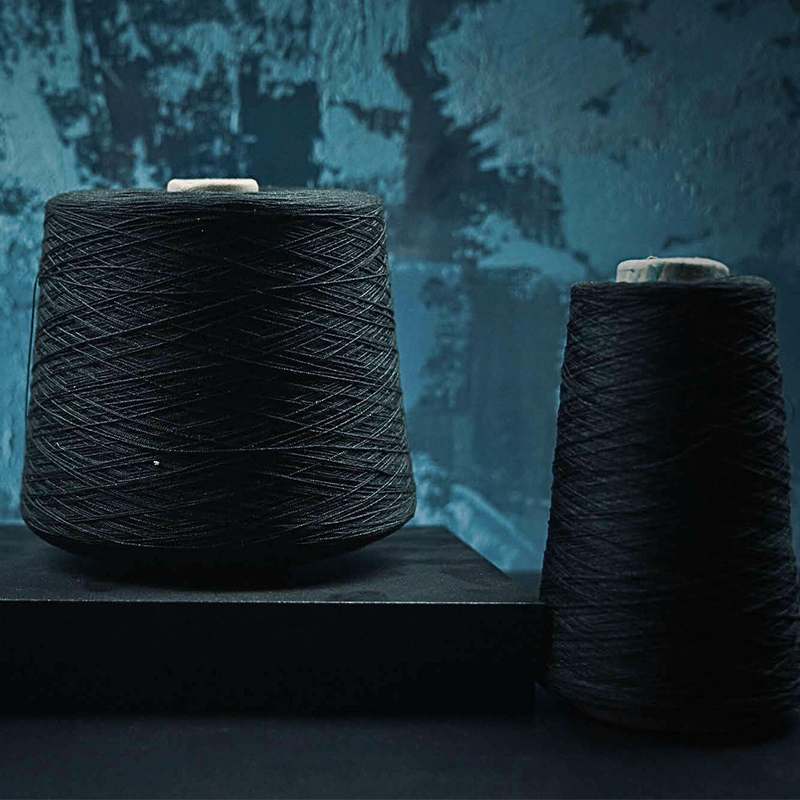
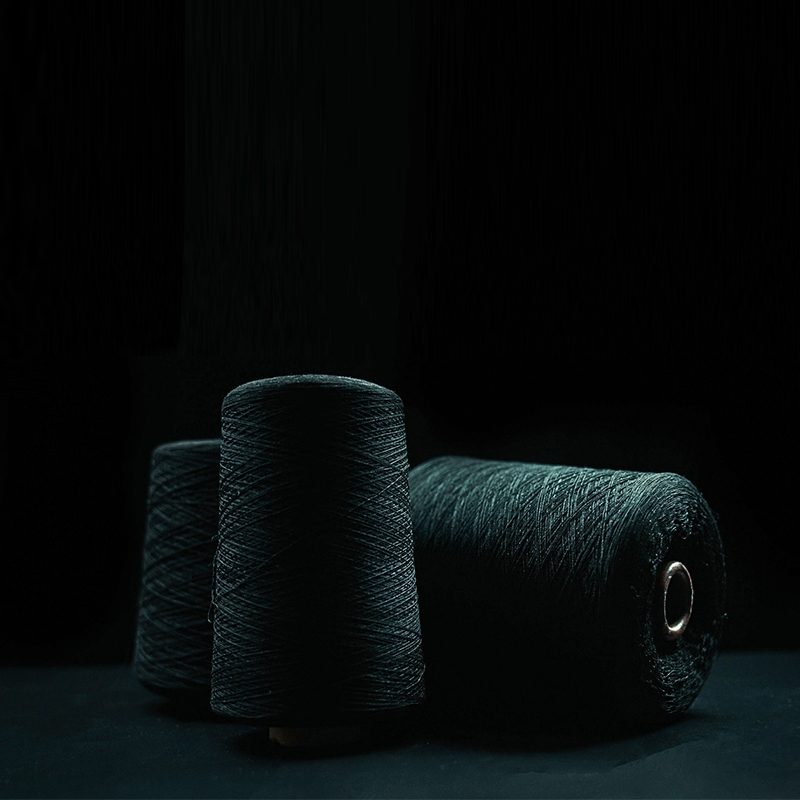
Carbonlene Yarn 10 Count
Honor
-
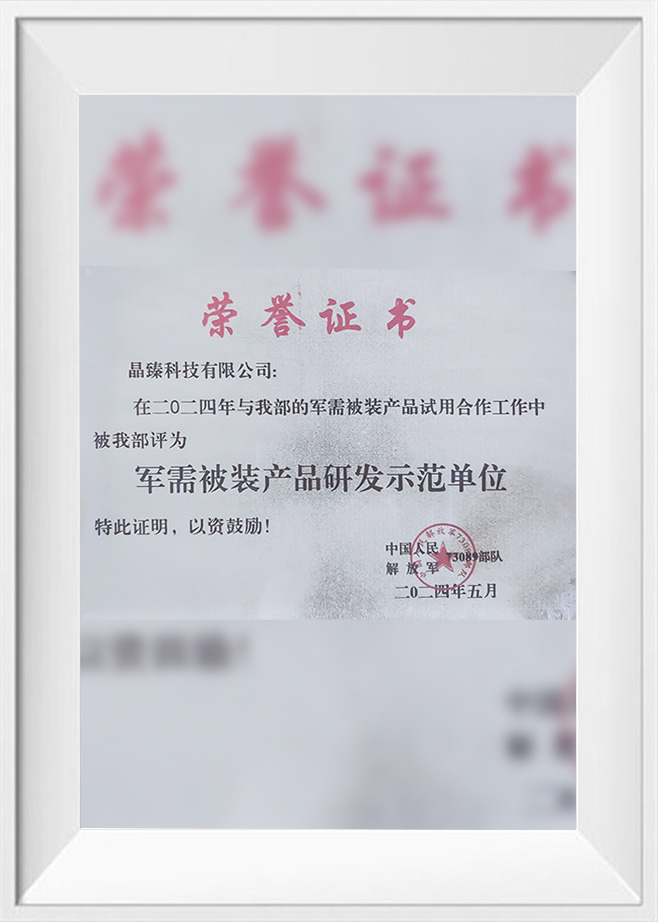 Certificate of Honor
 -
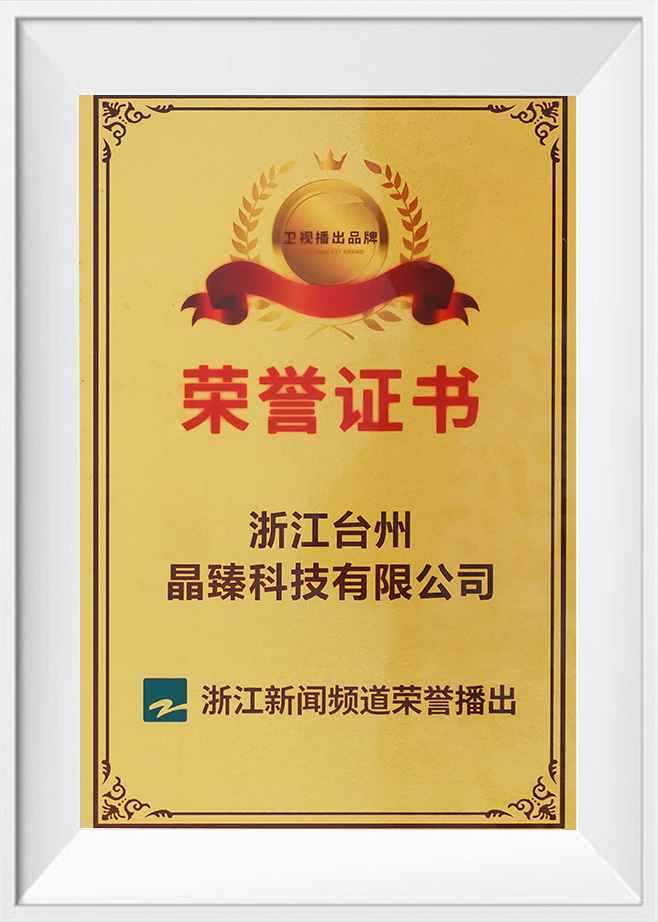 Certificate of Honor
 -
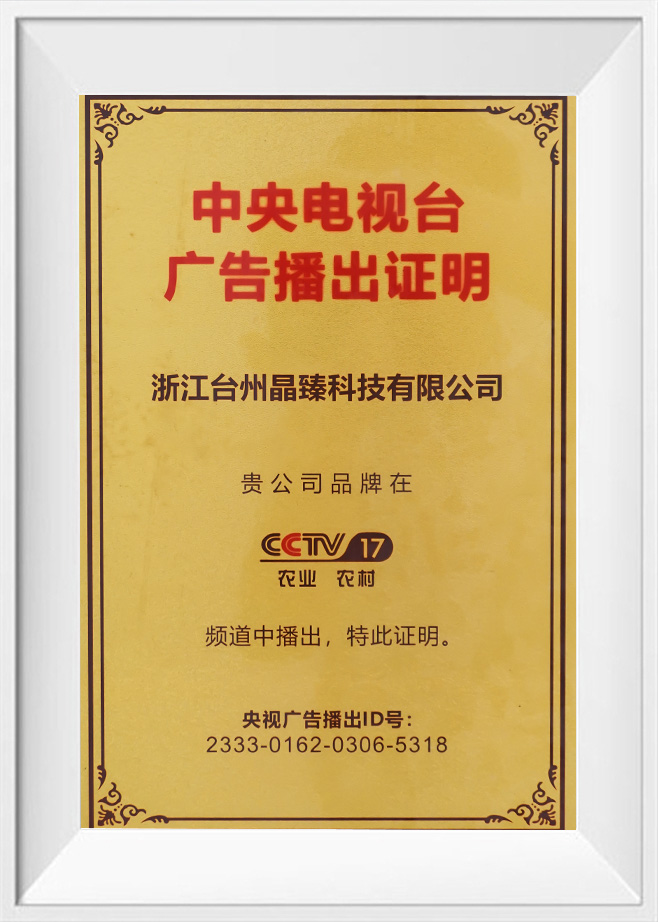 China Central Television Advertising Broadcast Certificate
 -
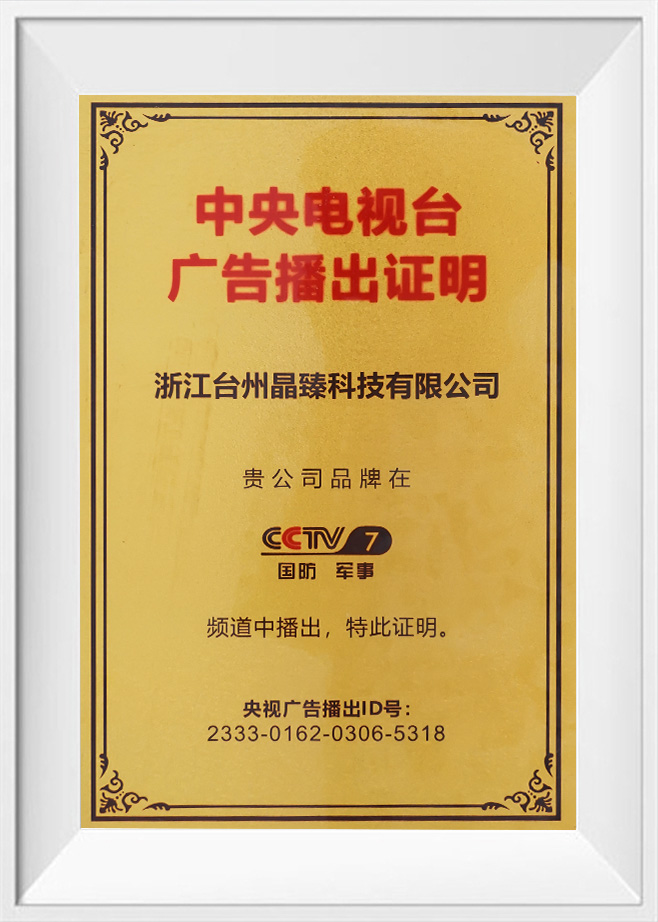 China Central Television Advertising Broadcast Certificate
News
-
Industry News 2026-07-17
Fabrics working near heat sources deal with conditions that ordinary textiles just weren't built to handle. Co...
View More -
Latest News 2026-07-13
Standards are the yardstick for industry progress. In the emerging field of functional composite fabrics, Blac...
View More -
Industry News 2026-07-10
Industrial workplaces often expose equipment and surrounding materials to continuous heat, temporary high temp...
View More
Contact Us Now
Carbonlene Yarn 10 Count Industry Knowledge Extension
What Makes Carbonlene Yarn 10 Count Important in Fire-Resistant Applications?
Carbonlene Yarn 10 Count is a material that has gained attention in the fire-retardant textile sector. Its structure provides both strength and heat tolerance, making it suitable for fabrics that need to perform under extreme conditions. By adjusting the yarn count, manufacturers can design fabrics with specific densities and thicknesses, which directly influence flame resistance and durability. Carbonlene Yarn 10 Count is often selected for protective wear, industrial filters, and technical textiles where fire safety is essential.
How Does Yarn Fiber Fabric Contribute to Flame Resistance?
Yarn Fiber Fabric is at the core of textile engineering for safety applications. When fibers are combined into a woven or knitted structure, the behavior of the fabric changes significantly. Flame-resistant Yarn Fiber Fabric relies on specialized fibers that resist ignition and slow down flame spread. This makes it a vital component in uniforms, curtains, and insulation layers used in both industrial and domestic settings. By using blends of technical fibers, Yarn Fiber Fabric can balance flexibility, comfort, and protective qualities, ensuring that it meets industry safety standards.
Why Is Non Flammable Yarn Considered a Key Innovation?
Non Flammable Yarn plays a central role in advancing textile technology. Unlike conventional fibers, this yarn resists ignition and prevents the spread of fire, offering enhanced safety without requiring chemical treatments. Non Flammable Yarn is especially valuable in applications where fabrics are exposed to sparks, high temperatures, or open flames. Industries such as transportation, construction, and protective clothing manufacturing rely on this yarn to reduce risks. Furthermore, Non Flammable Yarn provides long-term durability since its properties are inherent to the fiber structure and do not wash out over time.
How Do These Materials Work Together in the Industry?
In the fire-retardant yarn industry, Carbonlene Yarn 10 Count, Yarn Fiber Fabric, and Non Flammable Yarn often intersect in production. For instance, Carbonlene Yarn 10 Count can be woven into Yarn Fiber Fabric to achieve a balance of strength and flame resistance. At the same time, Non Flammable Yarn can be integrated into the structure to further enhance protective qualities. This combination supports a wide range of applications, from personal safety gear to industrial textiles. The synergy of these materials shows how innovation in yarn design directly impacts fabric performance.
What Are the Main Application Areas for These Yarns?
The applications extend across several fields. Carbonlene Yarn 10 Count is widely used in environments where mechanical strength and fire resistance are required, such as conveyor belts or technical uniforms. Yarn Fiber Fabric, with its versatility, is applied in curtains, upholstery, and insulation, ensuring safety in public spaces. Non Flammable Yarn is indispensable for protective apparel in firefighting, welding, and military use. Together, these materials form a foundation for textiles that protect human life and equipment from the risks of fire and high heat.
How Is the Industry Expected to Evolve?
As demand for fire safety increases across global markets, the role of Carbonlene Yarn 10 Count, Yarn Fiber Fabric, and Non Flammable Yarn will continue to grow. Research focuses on enhancing fabric comfort while retaining protective properties. This includes developing lighter Yarn Fiber Fabric for everyday use and refining Non Flammable Yarn to combine safety with improved flexibility. With regulations tightening in industries such as transportation and construction, manufacturers are expected to integrate these specialized yarns into more products, expanding the scope of fire-retardant textiles.

-
 905, Yanxiang Technology Building, Binkang Road, Binjiang District, Hangzhou City, Zhejiang Province, China
 -
 +86-057186797597
 -
 +86-15658877105
 -

- QUICK LINKS
- Home
- About BlackFire
- Our Story
- FAQ
- QUICK LINKS
- Technology
- Application
- Contact Us
- NEWS & INSIGHTS
- Company News
- Industry News

