


 English
  عربى
عربى  中文简体
中文简体
Flame Retardant Exporter
Honor
-
 Certificate of Honor
 -
 Certificate of Honor
 -
 China Central Television Advertising Broadcast Certificate
 -
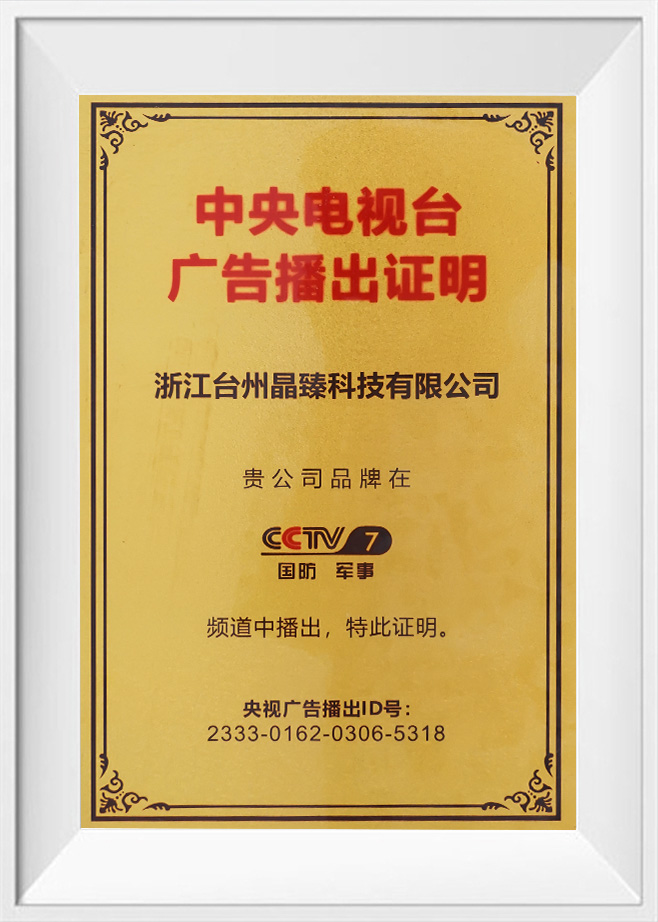 China Central Television Advertising Broadcast Certificate
News
-
Latest News 2026-06-26
In the field of fire safety, two terms are easily confused—"flame retardant" and "non-combustible." Many peopl...
View More -
Industry News 2026-06-26
Why Do Textile Fire Retardant Materials Matter in Industrial Safety Design Industrial environments contain man...
View More -
Industry News 2026-06-19
Heat comes at a barrier in two distinct ways, and each demands a different defense. Radiant heat shoots across...
View More
Contact Us Now
Flame Retardant Industry Knowledge Extension
What Is Fire Retardant Liquid and How Is It Applied?
Fire Retardant Liquid is a chemical solution used to reduce the flammability of various materials, including textiles, wood, and plastics. In the flame retardant industry, it is widely applied to fabrics to improve fire resistance without affecting their texture or flexibility. The liquid penetrates the fibers and creates a protective layer that slows down ignition and limits flame spread.
Manufacturers often use Fire Retardant Liquid for both industrial and domestic applications. It can be applied through spraying, dipping, or coating processes, which allows for consistent treatment across different material types. Fabrics treated with this liquid are commonly used in curtains, upholstery, protective clothing, and other areas where fire safety is critical.
How Does Flame Retardant Technology Enhance Material Safety?
Flame Retardant technology refers to the use of fibers or chemical additives that inherently resist fire. These materials are designed to slow down combustion and reduce heat release, providing critical safety in environments where fire hazards exist.
When incorporated into textiles or other materials, Flame Retardant fibers maintain their protective properties even after repeated use or laundering. This makes them particularly suitable for workwear, industrial fabrics, and public interior applications. Additionally, combining Flame Retardant fibers with Fire Retardant Liquid treatments can further enhance the overall fire resistance, creating fabrics that meet specific safety standards.
Manufacturers value Flame Retardant solutions for their versatility and durability, as they allow for the production of materials that are both functional and safe under fire exposure.
What Is Safe Flame Retardant and Why Is It Important?
Safe Flame Retardant refers to fire-resistant chemicals or treatments that are designed to minimize health risks and environmental impact. Older formulations often contained harmful substances, but modern safe alternatives provide effective flame resistance while reducing toxicity and environmental hazards.
In the production of protective fabrics, Safe Flame Retardant materials are essential. They allow manufacturers to create textiles suitable for close contact with skin, such as uniforms and bedding, without compromising safety. They also ensure that in the event of a fire, fabrics treated with Safe Flame Retardant solutions do not release dangerous fumes or residues.
These safe formulations are compatible with a variety of materials, including natural fibers, synthetic fibers, and blends. This compatibility provides flexibility for industrial applications, ensuring that products meet both performance and safety requirements.
How Are These Components Shaping the Fire Retardant Industry?
The fire retardant industry relies on a combination of chemical treatments and inherently flame-resistant materials. Fire Retardant Liquid is a practical method for enhancing existing materials, while Flame Retardant fibers provide intrinsic fire resistance. At the same time, Safe Flame Retardant solutions ensure that both human health and environmental concerns are addressed.
Manufacturers integrate these components to produce materials that balance safety, durability, and usability. Applications range from protective clothing and uniforms to interior textiles and industrial materials. Using Fire Retardant Liquid alongside Flame Retardant fibers allows for fabrics that perform reliably under fire exposure, while Safe Flame Retardant formulations guarantee safer handling and long-term environmental compliance.
As regulations and standards continue to evolve, the industry increasingly focuses on products that combine efficiency with safety. The coordinated use of Fire Retardant Liquid, Flame Retardant fibers, and Safe Flame Retardant chemicals enables manufacturers to provide innovative solutions that address both technical performance and social responsibility.

-
 905, Yanxiang Technology Building, Binkang Road, Binjiang District, Hangzhou City, Zhejiang Province, China
 -
 +86-057186797597
 -
 +86-15658877105
 -

- QUICK LINKS
- Home
- About BlackFire
- Our Story
- FAQ
- QUICK LINKS
- Technology
- Application
- Contact Us
- NEWS & INSIGHTS
- Company News
- Industry News

