


 English
  عربى
عربى  中文简体
中文简体
How Does Fire Insulation Fabric Work In High Temperature Protection Systems
Heat comes at a barrier in two distinct ways, and each demands a different defense. Radiant heat shoots across open space like light from a fire, warming whatever surface it lands on without necessarily heating the air along the way. Convective heat travels differently, hitching a ride on moving gas or flame currents that carry thermal energy into every corner they reach. A Fire Insulation Fabric that handles one but not the other leaves gaps in the protection.
Material choice drives the response to each heat type. Some fiber compositions reflect radiant energy rather than absorbing it, sending a portion back toward the source. Others rely on trapping air within the weave, since still air resists heat flow far better than solid material does. This stationary layer slows the passage of hot gases moving through the thickness of the fabric.
Think about what happens when heat meets the surface. A fabric that absorbs too much radiation gets hot quickly, while one that reflects well stays cooler longer. The internal structure also matters—how tightly fibers pack together, how much air space exists between yarns, and whether those spaces connect or remain isolated from each other.
Different environments present different threats. A welding operation throws off intense radiant energy with little convective flow. A furnace door opening releases a blast of hot air that carries heat directly onto nearby surfaces. A pipeline fire involves both flame contact and radiant exposure. The selection process ought to consider which transfer mode poses the main danger in that particular space.
Thicker material generally takes more time to heat through, offering a longer window before temperatures rise on the protected side. But thickness alone does not tell the whole story. The arrangement of fibers within the yarn and the way yarns lock together in the weave both influence how quickly heat moves across and through the fabric. Some constructions favor blocking convection. Others lean toward reflecting radiation. Getting the balance right takes some thought about the actual working conditions.
Why Does the Weave Structure of Carbon Fiber Fabric Influence Its Protective Performance
Weave patterns change more than the surface appearance. Each geometry creates a distinct internal architecture that affects how heat travels and how the fabric handles stress.
Plain weave has each strand crossing over one neighbor and under the next in a simple checkerboard. This gives a stable, flat sheet that holds its shape well. The many crossover points create multiple contact spots for heat to travel across the fabric plane. Plain weave resists fraying at cut edges and offers balanced strength in both directions. But it tends to be stiff, which makes wrapping around curves and irregular shapes more difficult.
Twill weave lets fibers float over two or more adjacent strands before going under. Diagonal lines appear on the surface. The longer floating sections reduce the number of crossover points, which changes the thermal conduction path. Twill fabrics bend and drape more easily around corners. The reduced crimp in the fibers also gives slightly better strength along certain axes.
Satin weave extends this idea with long floats that produce a smooth outer face. Minimal crimp lets fibers stay straighter, which affects both mechanical and thermal behavior. Satin covers complex contours well but frays more readily at cut edges during handling.
The weave also affects air retention within the fabric. Looser weaves hold more stagnant air, and air does not conduct heat well. This improves the insulating value. Tighter weaves compress fibers together, reducing air space but increasing density. A denser fabric conducts heat more readily but stands up better to rubbing and wear.
Choosing a weave means weighing flexibility against durability, and insulation value against mechanical strength. The same fabric construction that works well on a flat panel may perform poorly on a curved pipe. The intended shape of the protected surface often drives the weave decision more than thermal properties alone.
How Does the Fabric Interact with Thermal Expansion of Underlying Metal Components
Metal grows when it gets hot. Steel stretches, aluminum stretches, and the amount of stretch depends on the temperature rise. Carbon fiber fabric sourced from Carbon Fiber Fabric Suppliers behaves very differently under the same heat. It expands far less than any common structural metal.
This difference creates forces where the two materials meet. A rigid attachment forces the fabric to either stretch beyond its capacity or tear at the connection points. Multiple layers can separate from each other if they cannot move together. Fasteners may loosen over repeated cycles as the metal pulls away and then returns.
The fabric needs room to shift. One way to provide this is through attachment systems that allow some slip—slotted holes, flexible ties, or spring-loaded clips that maintain tension without locking the fabric in place. Another approach spaces attachment points widely enough that the fabric can absorb movement through its own slight stretch.
Fabric placed across that direction experiences greater pulling force. Fabric oriented along the same line sees less strain. This simple geometry often gets overlooked during installation, yet it makes a real difference in how long the fabric stays intact.
Some weaves tolerate more strain than others before failing. Fabrics with higher elongation at break survive more movement. The fiber type also plays a role, with certain materials offering more give. Thoughtful design of the attachment scheme can prevent many common failures that occur not from heat damage but from mechanical stress caused by differential expansion.
What Role Does the Fabric's Surface Treatment Play in Prolonging Service Life Under Cyclic Heating
A Fire Insulation Fabric faces more than just heat. The outer surface encounters moisture, chemicals, mechanical wear, and sometimes sunlight. Surface treatments address these secondary threats, extending the useful life of the material.
Different treatments serve different purposes. Some keep water from soaking into the fibers, preventing steam formation inside the fabric when temperatures rise. Steam expanding within the structure can cause delamination or bursting. Others protect against oils, solvents, and combustion byproducts that attack the fiber chemistry. Abrasion-resistant coatings reduce wear from vibration or contact with nearby surfaces. UV stabilizers slow deterioration from sunlight exposure, which matters for outdoor installations or locations near windows.
The treatment itself must withstand temperatures similar to what the base fabric can handle. A coating that fails at moderate heat creates a weak outer layer that flakes away, sometimes taking fibers with it. Application methods affect coverage uniformity. Deep-penetrating treatments last longer but may stiffen the fabric. Surface-only coatings allow visual inspection but suffer more from mechanical damage.
Treatments also change how the fabric responds to radiant heat. A reflective outer layer sends some radiation away, keeping the fabric cooler during exposure. This extends the time before the fabric reaches its temperature limit. The color and surface texture of the treatment influence this reflective behavior.
Areas where the fabric rubs against supports or passes through openings lose coating faster than protected sections. Regular visual checks help spot coating loss early. Local touch-up or patching can extend service life without full replacement. The treatment should match the specific environment—what works in a dry chemical plant may fail in a humid coastal facility.
| Aspect | Flexible Sealant Approach | Rigid Grout Approach |
|---|---|---|
| Movement Accommodation | Accepts slight shifts without cracking | Prone to hairline fractures under movement |
| Initial Visual Uniformity | Slightly matte or glossy finish, color-matched | Matte, matches surrounding grout lines |
| Long-term Maintenance | Can be scraped out and reapplied if degraded | Repair requires grinding and re-grouting |
| Moisture Barrier Performance | Forms a continuous elastic membrane | Porous over time if micro-cracks develop |
| Recommended Application Condition | Areas with temperature fluctuations or heavier foot traffic | Stable environments with minimal structural movement |
Why Is the Attachment Method Critical for Maintaining Fabric Integrity in Vibration-Prone Environments
A Fire Insulation Fabric that goes on smooth and flat does not always stay that way once the machinery starts running. Vibration changes everything. Equipment that shakes, pulses, or oscillates puts steady mechanical stress on every point where the fabric gets fastened. The attachment method decides whether the fabric holds up or slowly works itself loose.
Bolts and screws give strong holding power but concentrate stress at specific spots. Those spots tend to elongate or tear over time as the fabric shifts against the fastener. Wire lacing spreads the load along longer stretches of edge, which reduces peak stress at any one location. Clips and spring-loaded devices keep tension while letting the fabric move slightly, and that little bit of give absorbs some of the vibratory energy instead of passing it straight into the material.
Some things are worth keeping in mind when attaching fabric where vibration lives:
- Oversized washers or backup plates help spread the load over a wider area.
- Leaving a little slack prevents the fabric from getting pulled tight and stressed beyond what it can handle.
- Fasteners with locking features reduce the chance of working loose over many cycles.
- Putting attachment points at regular intervals keeps the fabric from flapping around like a loose sail.
- Reinforcing edges with folded hems or tape stops tear-out at holes and cutouts.
The weight of the fabric itself plays into this too. Heavier material pulls harder on attachments, especially when the surface is vertical or overhead. Lighter fabric might flutter in airflow, and that fluttering causes edge wear and gradual unraveling. Getting the attachment right means holding the fabric secure while giving it enough freedom to move without damage. Watching how similar installations have fared over time gives a decent sense of what works and what falls apart.
How Does Moisture or Contamination Affect the Thermal Barrier Properties of Fire Insulation Fabric
Moisture and dirt can turn a perfectly good Fire Insulation Fabric into something that barely does its job. Water soaking into the fibers changes everything about how the material behaves. Wet fabric conducts heat much faster than dry fabric because water carries heat away efficiently. The insulating value drops noticeably while the fabric stays damp.
Beyond the thermal effect, water creates other headaches. Moisture trapped inside turns to steam when the heat comes on. That steam builds pressure within the structure, and pressure causes blistering, delamination, or even bursting. The fabric might look fine from the outside while the inside has already fallen apart. Contaminants like oil, grease, or chemical residues cause their own problems. Some attack the fiber chemistry directly and weaken the material. Others form surface films that catch dust and debris, adding weight and stiffening the fabric. Certain contaminants are flammable themselves, which adds fire risk where none existed before.
Storage conditions matter just as much as service conditions. Fabric stored in a damp spot picks up moisture that may not fully dry out before installation. Fabric kept near chemical storage absorbs fumes that affect coatings or fiber properties. A clean, dry storage area protects the material long before it reaches the jobsite.
A few basic measures help control moisture and contamination:
- Letting wet fabric dry completely before exposing it to heat.
- Using moisture-barrier treatments on fabric headed for humid or outdoor spots.
- Covering installed fabric during construction so overspray and drips stay off.
- Checking fabric for oil staining or chemical discoloration before putting it in place.
- Keeping spare rolls sealed until the moment they get fitted.
The combination of contaminants and heat can produce outcomes that testing never predicted. A fabric that passes every lab test might struggle when coated with industrial residues in the real world. Field conditions rarely match the clean environment of a test chamber, and that gap matters.
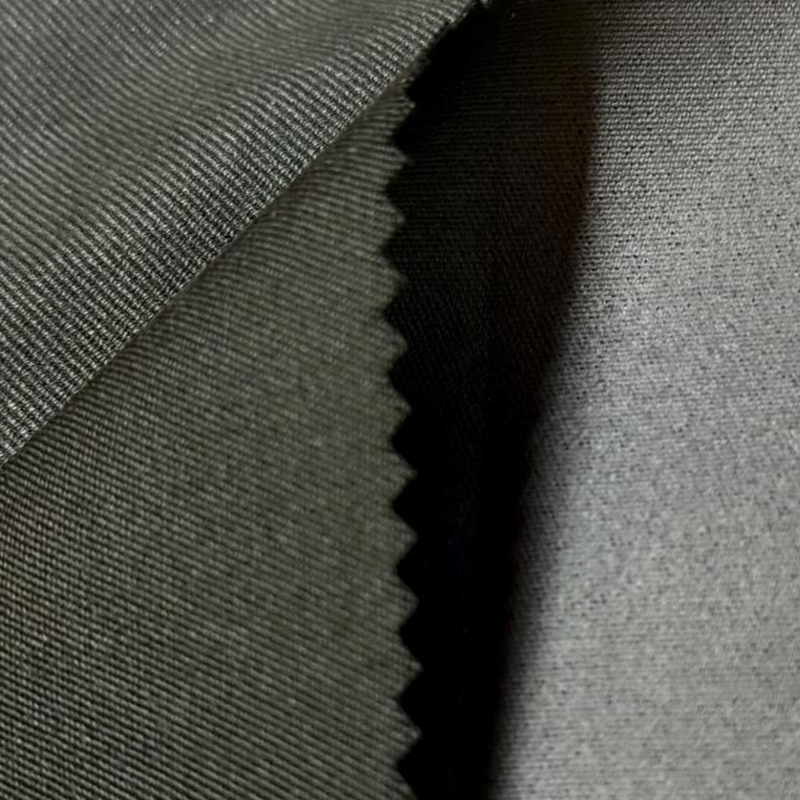
What Considerations Guide the Selection Between Coated and Uncoated Fire Insulation Fabrics
Picking between coated and uncoated fabric means thinking about the full picture of how the material will actually get used. Each type brings its own characteristics that make it better or worse for particular situations.
Uncoated fabric breathes. Air moves through the weave, which helps with ventilation and moisture release. But that same breathability means hot gases pass through more easily, so uncoated fabrics generally do not resist convective heat flow as well. They tend to be more flexible and easier to handle because the coating does not stiffen things up. Uncoated material also costs less and simplifies the installation process.
Coated fabric gives a sealed surface that blocks moisture and convective flow. The coating fills the gaps between yarns and creates a continuous layer. This improves resistance to hot gas penetration and protects the underlying fibers from chemical attack or abrasion. The downsides include reduced breathability and often less flexibility. Coated fabric can trap moisture underneath if the coating gets damaged, which leads to corrosion of the metal it is supposed to protect.
Some questions help with the decision:
- Is the main heat threat radiation or direct flame contact?
- How much moisture or chemical exposure will the fabric face?
- Does flexibility matter more than surface sealing?
- How easy does inspection and repair need to be?
- Will the fabric see repeated flexing or stay static over its life?
A partial coating works for some applications—treating one side while leaving the other bare. This hybrid approach balances protection and breathability for certain uses. The choice comes down to the actual working conditions rather than any general rule about which type is better.
Why Does Proper Storage and Handling of Carbon Fiber Fabric Affect Its Field Performance
A roll of carbon fiber fabric from Carbon Fiber Fabric Suppliers arrives in one condition, and what happens between delivery and installation changes what happens afterward. Proper storage and handling protect the material from damage that might not show up until the fabric goes into service.
Storage matters from day one. Fabric stored on its end can develop flat spots or creases that never straighten out completely. Those creases become localized stress points that behave differently under heat and vibration. Fabric left in direct sunlight may suffer UV degradation of coatings or binders before it ever gets used. Dust and dirt settling on the surface can interfere with coatings or adhesives applied during installation.
Handling during cutting and fitting affects performance too. Dragging fabric across rough surfaces abrades fibers at the edges. Folding fabric sharply creates permanent creases that become weak lines. Dropping heavy rolls damages inner layers that nobody sees from the outside. Cutting with dull blades frays edges and pulls fibers loose, which makes attachment harder.
A few simple habits help preserve the material:
- Keeping rolls on their flat side to avoid pressure creasing.
- Storing in clean, dry spaces with stable temperature.
- Covering stored material to keep off dust and construction debris.
- Using sharp tools for cutting to get clean edges.
- Supporting fabric during handling so it does not drag across rough or dirty surfaces.
Material that looks perfectly fine on the surface may carry hidden damage from poor storage or rough treatment. That damage goes unnoticed until the fabric fails in service, and that is the worst time to find out. The connection between storage practices and field performance gets overlooked more often than it should. A fabric that tests beautifully in the lab can disappoint on site because it suffered damage somewhere between the factory and the installation. Careful handling pays back in longer service life and fewer surprises later on.

-
 905, Yanxiang Technology Building, Binkang Road, Binjiang District, Hangzhou City, Zhejiang Province, China
 -
 +86-057186797597
 -
 +86-15658877105
 -

- QUICK LINKS
- Home
- About BlackFire
- Our Story
- FAQ
- QUICK LINKS
- Technology
- Application
- Contact Us
- NEWS & INSIGHTS
- Company News
- Industry News
Don't hesitate to contact when you need us!

