


 English
  عربى
عربى  中文简体
中文简体
What Makes Flame Resistant Yarn Different From Regular Textile Fibers
Textile materials used in everyday life are often designed with comfort, appearance, and cost in mind. Their behavior under heat is rarely considered during production. In contrast, Flame Resistant Yarn belongs to a category of fibers developed for situations where exposure to high temperature or open flame may occur. The intention behind its structure is not only to slow down burning, also to change how the material reacts once heat is introduced.
Regular textile fibers such as untreated cotton or common synthetic filaments tend to follow a simple reaction pattern when exposed to fire. Ignition happens quickly, and the flame continues to spread along the surface. In many cases, melting or dripping occurs, especially in synthetic materials, which adds additional risk during contact with skin. Structural collapse of the fiber network often follows, leaving little protective barrier.
Flame Resistant Yarn behaves in a different manner because its internal design responds to heat in a controlled way. Instead of supporting continuous combustion, the fiber structure limits oxygen interaction and reduces the energy available for flame growth. Within Fire Insulation Fabric systems, this behavior helps create a stable barrier that slows thermal transfer and reduces direct exposure.
A key difference lies in how each fiber type treats energy from heat. Regular fibers tend to release energy once ignition begins, while Yarn redirects part of that energy into structural transformation. The result is a slower and more contained reaction at the material surface.
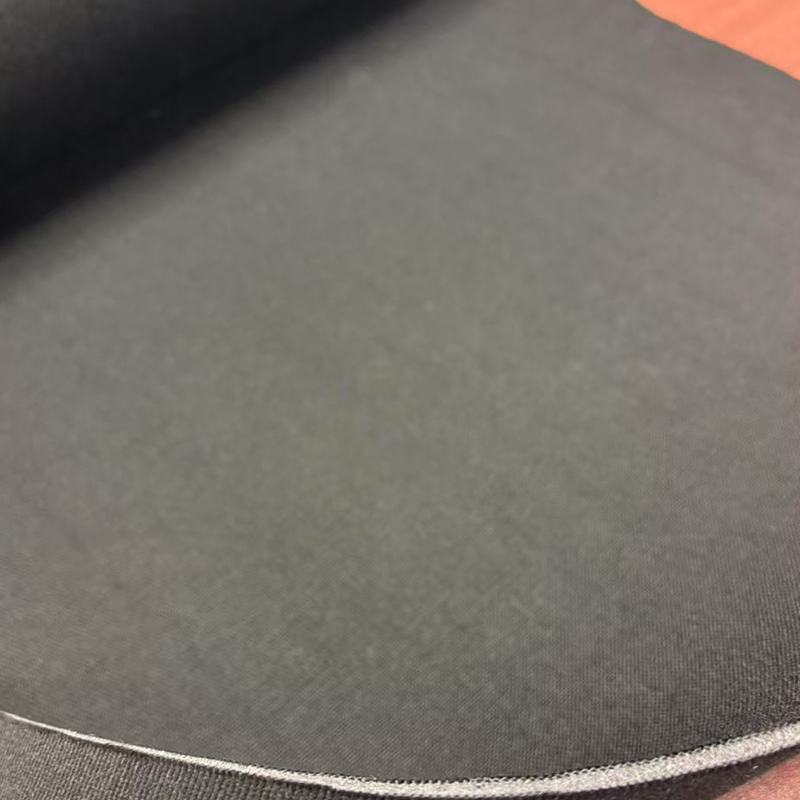
What Happens to Regular Textile Fibers When Exposed to Heat or Flame
When conventional textile fibers encounter heat, the reaction often begins at the surface level. The fibers absorb energy until a threshold is reached, followed by ignition. Once burning starts, the structure of the material weakens rapidly.
Natural fibers usually turn into ash while synthetic fibers may soften before melting. In many synthetic cases, molten droplets form and fall away from the main fabric body. This behavior can extend the affected area and increase contact risk. The original weave or knit structure loses cohesion, which reduces any remaining protective function.
Airflow around the material also influences how fast the flame travels. Loose fiber arrangements allow oxygen to circulate freely, supporting continuous burning. As the process continues, the fabric shrinks, curls, or breaks apart.
Common responses in regular fibers include:
- Rapid ignition after exposure to flame
- Melting or structural collapse in synthetic types
- Formation of dripping material in some cases
- Loss of fabric integrity within a short exposure period
Fire Insulation Fabric systems rely on materials that resist these reactions, which is why Flame Resistant Yarn is introduced in layered textile structures.
How Does Resistant Yarn Resist Ignition and Flame Spread
Flame Resistant Yarn does not rely on a single protective action. Instead, several physical and chemical behaviors work together when heat is applied. The fiber structure restricts oxygen flow near the surface, which reduces the conditions needed for flame development.
Once exposed to heat, the outer layer of the yarn begins to transform. Instead of breaking down into flammable gases, part of the structure forms a protective layer that slows heat penetration. This layer acts as a barrier between the heat source and the inner fiber core.
The flame spread process becomes limited because energy cannot travel freely across the surface. In Fire Insulation Fabric applications, this controlled reaction supports thermal stability across multiple layers of material.
Key resistance behaviors include:
- Reduced oxygen access at fiber surface
- Formation of protective outer layer during heating
- Slower transfer of thermal energy into deeper layers
- Disruption of continuous flame movement
The overall effect is not complete prevention of heat impact, rather a controlled response that changes how damage develops over time.
What Is the Self Extinguishing Mechanism in Flame Resistant Yarn
Self-extinguishing behavior is one of the defining characteristics of Resistant Yarn. Once the external heat source is removed, combustion does not continue in the same way as in regular fibers. The flame gradually fades due to limited fuel availability and restricted oxygen flow.
During this process, certain fiber structures form a carbon-rich surface layer. This layer reduces direct contact between heat and inner material, acting as a shield. In other fiber types, slight expansion occurs, creating a thicker barrier that slows down heat transfer.
The self-extinguishing process generally follows a sequence:
- Heat exposure initiates surface reaction
- Protective layer begins to form
- Oxygen supply becomes restricted
- Flame weakens after heat source removal
- Combustion stops without continuous fuel support
Regular fibers do not show the same behavior because their structure continues to release flammable gases until material depletion occurs. Flame Resistant Yarn interrupts this cycle, which supports safer performance in Fire Insulation Fabric systems.
How Do Inherent and Treated Flame Resistant Structures Differ
Flame resistance in yarns can originate from two different structural approaches. One approach builds resistance directly into the fiber's internal composition. The other relies on surface treatment applied to regular fibers.
Inherent structures carry flame resistance within the fiber itself. The molecular arrangement is designed in a way that limits combustion behavior throughout the entire material. Since the property exists inside the fiber, it remains stable during use and does not depend on surface condition.
Treated fibers follow a different path. In this case, a chemical layer is applied after fiber formation. The treatment interacts with heat to slow ignition or reduce flame spread. Over time, external factors such as wear or repeated washing may reduce the effectiveness of this layer.
| Aspect | Inherent Flame Resistant Yarn | Treated Regular Fiber |
|---|---|---|
| Origin of resistance | Internal fiber structure | Surface chemical layer |
| Response to heat | Stable reaction behavior | Reaction depends on coating condition |
| Long-term behavior | Consistent under repeated use | Gradual reduction in effect |
| Structural integrity | Maintains fiber form under stress | May weaken under extended exposure |
| Role in Fire Insulation Fabric | Stable layering function | Dependent on surface condition |
In Fire Insulation Fabric design, both approaches may be used depending on required material balance, although behavior under long-term exposure often becomes a key consideration.
Why Does Melting Behavior Matter in Thermal Safety Performance
Melting behavior plays an important role in determining how textile materials respond to extreme heat. In many conventional synthetic fibers, exposure to high temperature causes softening followed by melting. Once melted, the material may drip away from the original fabric structure.
This process introduces several risks. Molten droplets can transfer heat directly to skin or surrounding surfaces. At the same time, the loss of fiber structure reduces any remaining barrier function of the fabric. Once the network collapses, thermal protection becomes limited.
Flame Resistant Yarn is designed to avoid this behavior. Instead of melting, the fiber structure tends to maintain form or transform into a stable residue layer. This reduces the chance of dripping and helps preserve the integrity of Fire Insulation Fabric systems during exposure.
Important differences include:
- Regular fibers soften and flow under heat
- FR yarn maintains structure without dripping
- Melted material increases contact risk
- Structural stability reduces surface damage spread
The absence of melting behavior allows Yarn to remain part of a protective barrier even under sustained heat exposure.
How Does Flame Resistant Yarn Maintain Structural Integrity Under Stress
In real use conditions, textile materials rarely face only heat. Pulling force, rubbing on surfaces, bending, and repeated movement often happen at the same time. When heat joins these actions, many fabrics begin to change shape faster than expected.
Flame Resistant Yarn behaves in a more stable way under this combined pressure. The internal fiber arrangement tends to stay connected, so the yarn does not fall apart easily even when temperature rises. Surface changes may appear, yet the inner structure usually stays in one piece for a longer time.
Regular fibers respond differently. Once heat enters the picture, the spacing between yarns can widen. Small gaps turn into pathways for heat, and the fabric starts to lose its tight structure. After that point, the material no longer behaves like a continuous protective layer.
Under mixed stress conditions, the contrast becomes easier to notice:
- Flame Resistant Yarn keeps its alignment under pressure
- Regular fibers separate once heat and force combine
- Surface damage spreads faster in untreated fabrics
- Shape loss happens earlier in basic textile structures
Fire Insulation Fabric relies on this difference. Even when the outer layer is affected, the inner layers can still stay in place for a while. That delay matters because heat transfer becomes slower when the structure does not collapse all at once.
Repeated heating adds another layer of strain. Flame Resistant Yarn usually holds its form across several heating cycles. Regular fibers tend to weaken step by step, and each cycle leaves behind small structural damage that does not recover.
What Role Does Flame Resistant Yarn Play in Fire Insulation Fabric Systems
Fire Insulation Fabric is not a single sheet of protection. It is closer to a stacked structure where each layer takes on part of the heat load. Flame Resistant Yarn sits inside this structure as a support element rather than just a surface material.
One of its quiet roles is keeping layers from collapsing into each other. When spacing stays consistent, air pockets remain trapped between layers. Those pockets slow down heat movement and prevent fast temperature rise on the inner side.
Inside this layered setup, Flame Resistant Yarn helps in several simple ways:
- Holds layers in position during heat exposure
- Maintains small air gaps that slow heat travel
- Reduces direct contact between flame and inner fabric
- Supports overall fabric shape when stress increases
The balance between flexibility and structure is important here. If the fabric becomes too stiff, it becomes difficult to use. If it becomes too loose, the protective effect drops. Flame Resistant Yarn helps keep both sides in balance, so the fabric can still move while holding its form.
Heat does not pass evenly through all layers. Outer sections react first, while inner parts respond later. The yarn structure helps stretch this timing gap, giving the fabric more room to resist sudden temperature changes.
How Do Manufacturing Processes Influence Flame Resistant Yarn Performance
The way Yarn is made has a direct effect on how it behaves later under heat. Small differences during production can change how stable the fiber feels in real conditions.
At the fiber stage, the internal arrangement is formed. When the structure is even, heat tends to spread more slowly through the material. If the arrangement is uneven, weak spots can appear, and those areas may react faster under temperature.
Spinning also plays a quiet role. A steady twist helps fibers act as one unit. When twisting is uneven, some parts of the yarn react differently from others, which can lead to inconsistent behavior during exposure.
Weaving or knitting adds another layer of structure. Tight layouts slow heat movement because there is less space for air and flame to pass through. Looser layouts allow more movement, which can increase comfort but also change how heat travels through the fabric.
Key points during production include:
- Fiber alignment during formation stage
- Consistency of twisting during spinning
- Layout density during weaving or knitting
- Surface finishing that adjusts touch and response
Finishing steps sometimes change how the surface feels or reacts to friction. Some processes make the fabric smoother, while others adjust how it behaves under repeated stress. The final performance depends on how all these small choices come together.
Even small variation during production can show up later when the fabric is exposed to heat. That is why consistency matters more than appearance alone in these materials.
Why Does Durability Differ Between Yarn and Regular Fibers
Durability in textiles is not only about how long a fabric lasts, it is also about how it behaves after repeated stress. Heat exposure changes this behavior more clearly than normal use.
Regular fibers often start to lose strength after several heating cycles. The internal bonds slowly weaken, and the fabric becomes easier to tear or deform. Surface damage builds up, and the structure becomes less stable over time.
Flame Resistant Yarn follows a slower change pattern. The resistance is built into the fiber itself rather than added only on the surface. Because of that, it does not depend on a coating that can wear away.
Differences in long-term behavior include:
- Regular fibers weaken gradually after repeated heat exposure
- Flame Resistant Yarn keeps structural form for longer periods
- Untreated fabrics show faster surface breakdown
- FR yarn maintains more stable internal bonding
In Fire Insulation Fabric use, this difference becomes important because materials are not exposed just once. They may face heat more than a single time, and each exposure adds pressure to the structure.
Regular fibers tend to show a step-by-step decline, where each cycle leaves behind a small amount of permanent change. Yarn reduces that pattern by holding its structure more steadily, allowing the fabric system to stay functional for a longer working period without sudden collapse in performance.
LATEST POST
Let’s create something amazing together
contact us
-
 905, Yanxiang Technology Building, Binkang Road, Binjiang District, Hangzhou City, Zhejiang Province, China
 -
 +86-057186797597
 -
 +86-15658877105
 -

- QUICK LINKS
- Home
- About BlackFire
- Our Story
- FAQ
- QUICK LINKS
- Technology
- Application
- Contact Us
- NEWS & INSIGHTS
- Company News
- Industry News
Don't hesitate to contact when you need us!

