


 English
  عربى
عربى  中文简体
中文简体
General Fabric Manufacturer
-
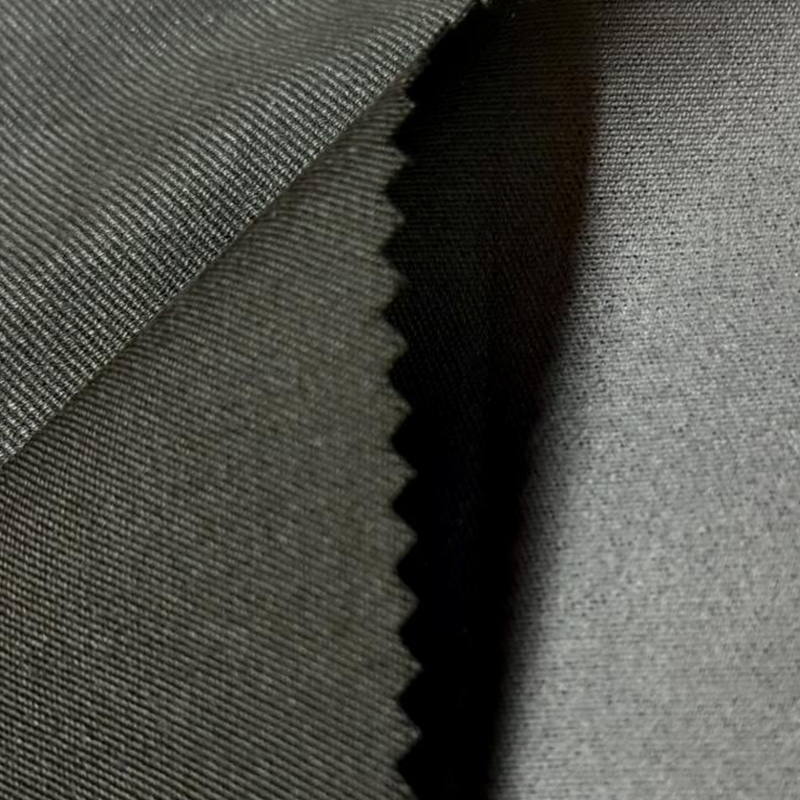
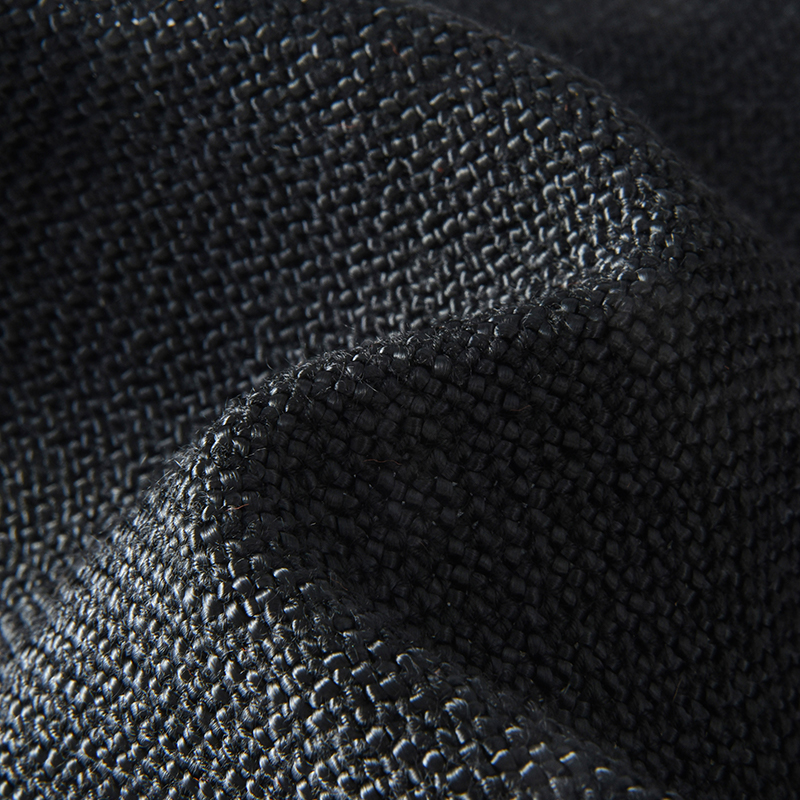
High-quality General Woven Fabric 240g/m²
-
Efficient General Woven Fabric 280g/m²
-
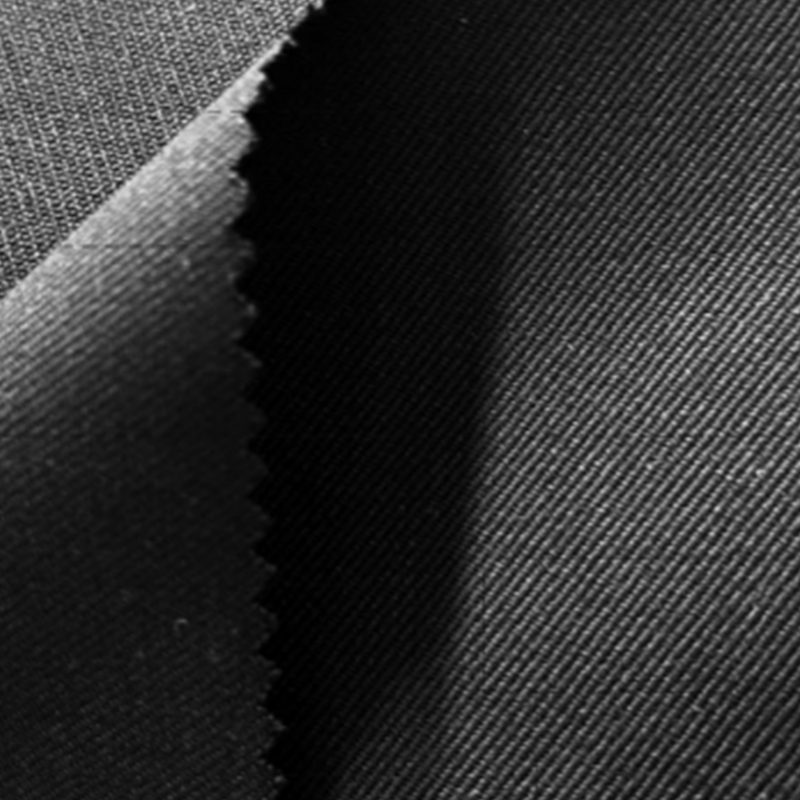
Comfortable Smooth General Woven Fabric 350g/m²
-
Breathable General Woven Fabric 400g/m²
-
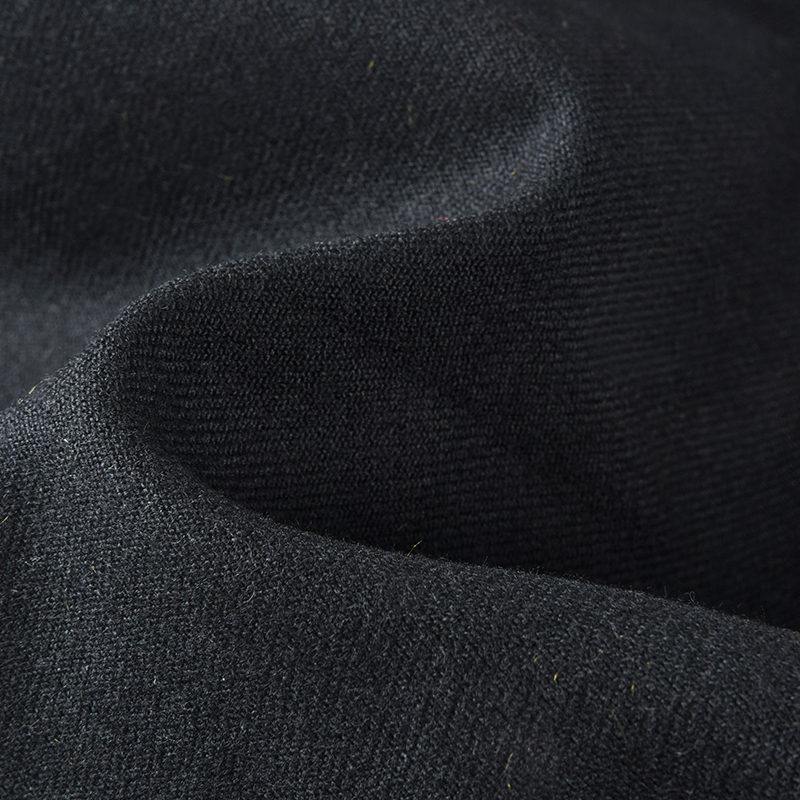
Lightweight General Woven Fabric 480g/m²
-
Flexible General Woven Fabric 600g/m²
-
Sturdy General Woven Fabric 700g/m²
-
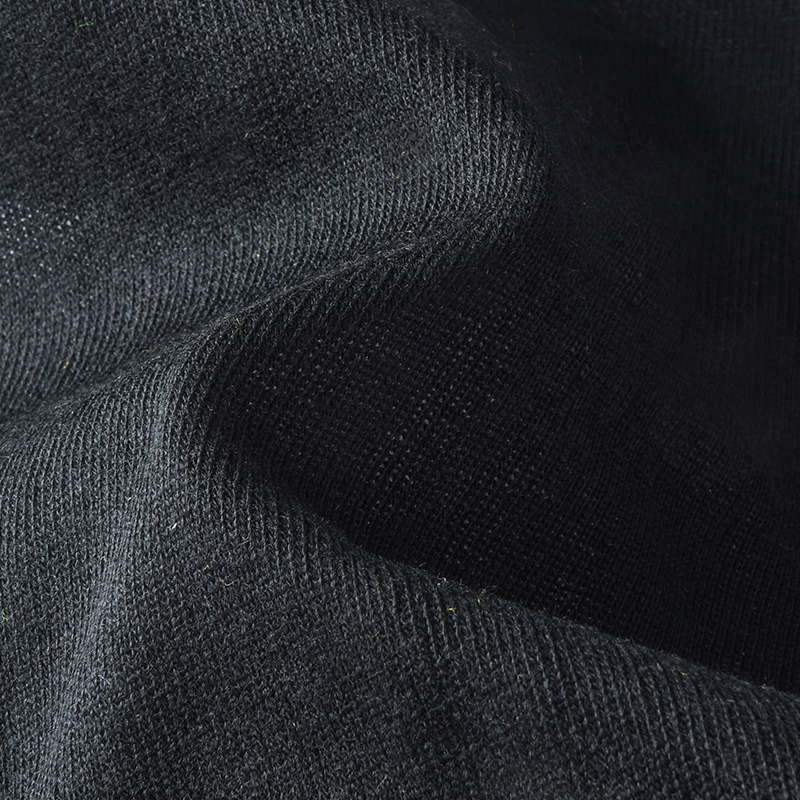
Environmentally-friendly General Knitted Fabric 200g/m²
-
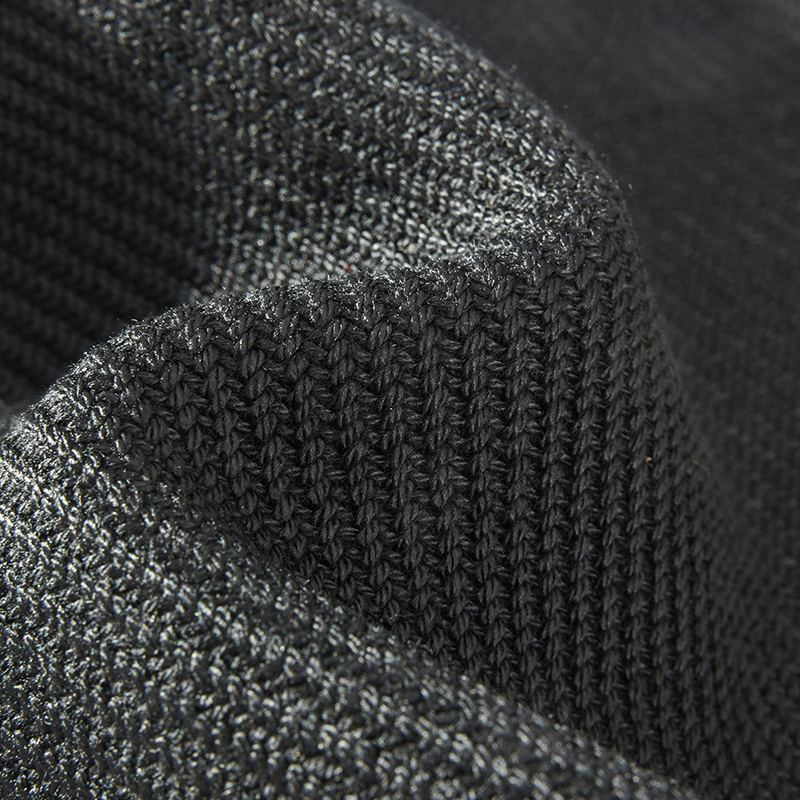
Non-toxic General Knitted Fabric 310g/m² (20/1)
-
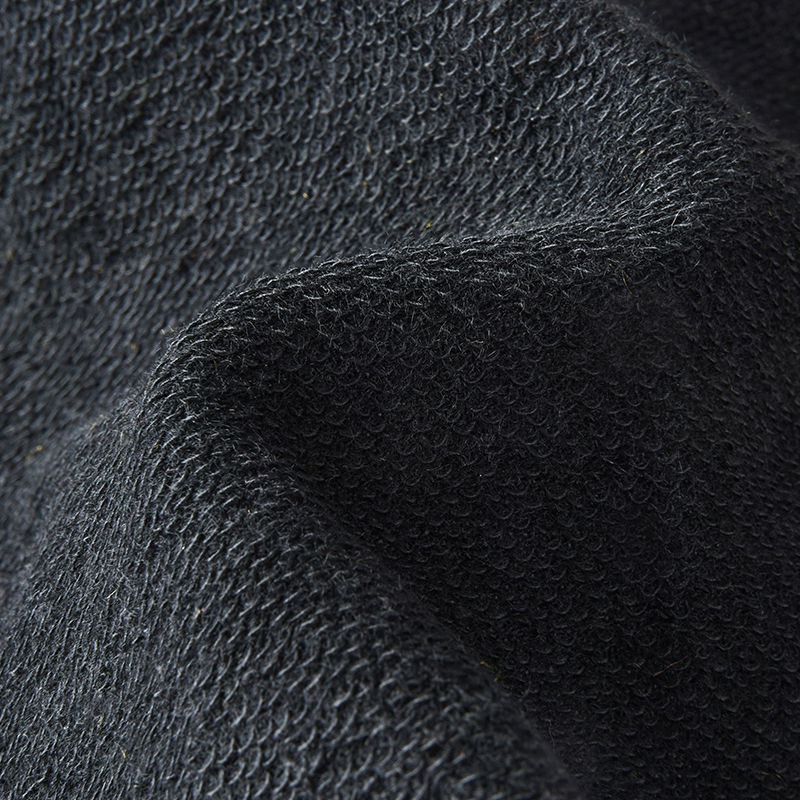
Long-lasting General Knitted Single-sided Brushed Fabric 310g/m² (30/1)
-
Durable General Knitted Double-sided Brushed Fabric 350g/m² (20/1)
-
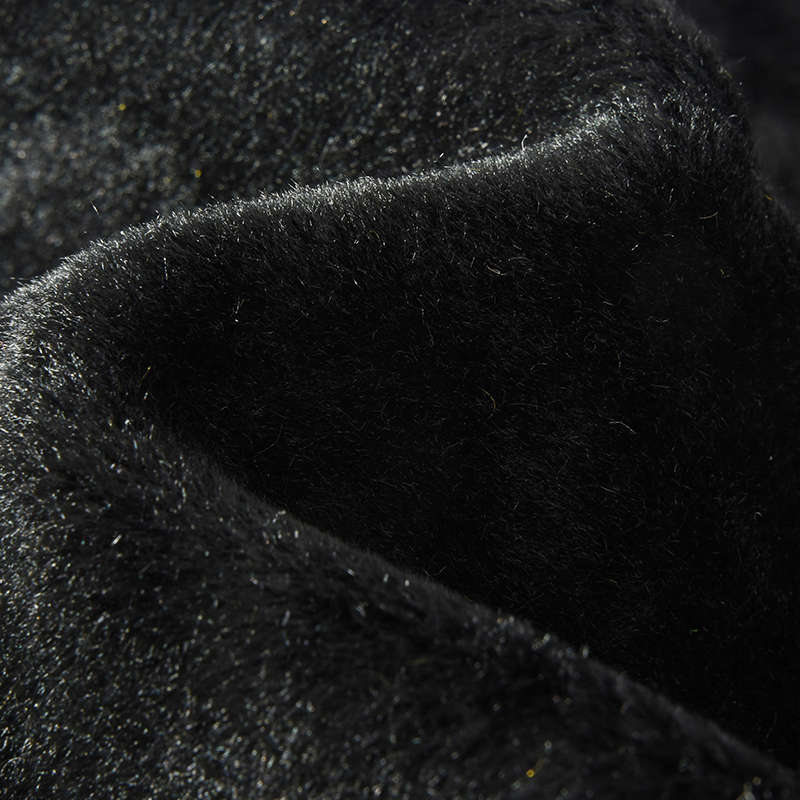
General Knitted Fabric 360g/m² (20/1)
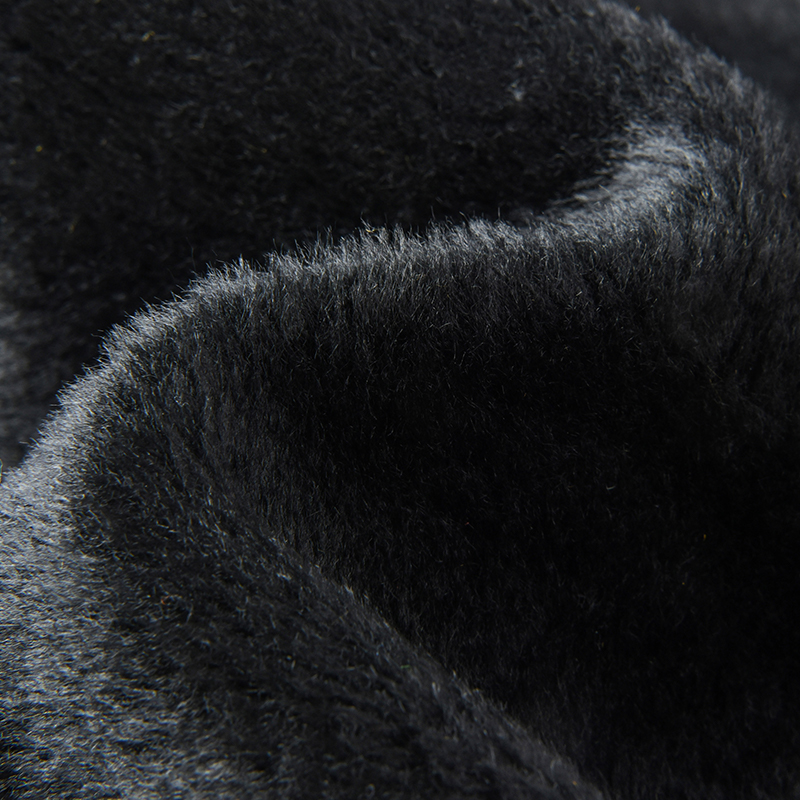
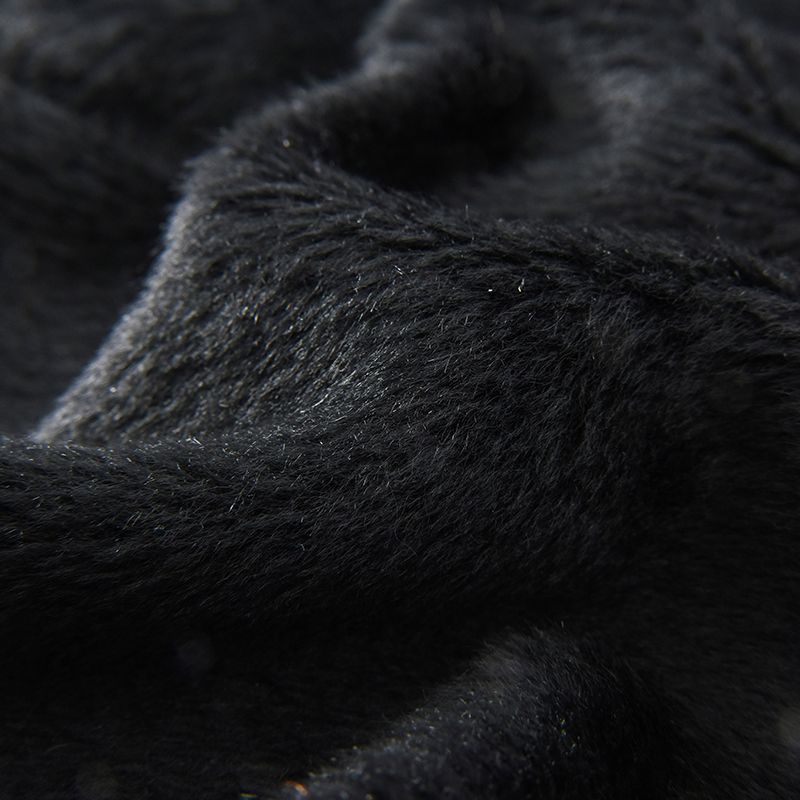
Honor
-
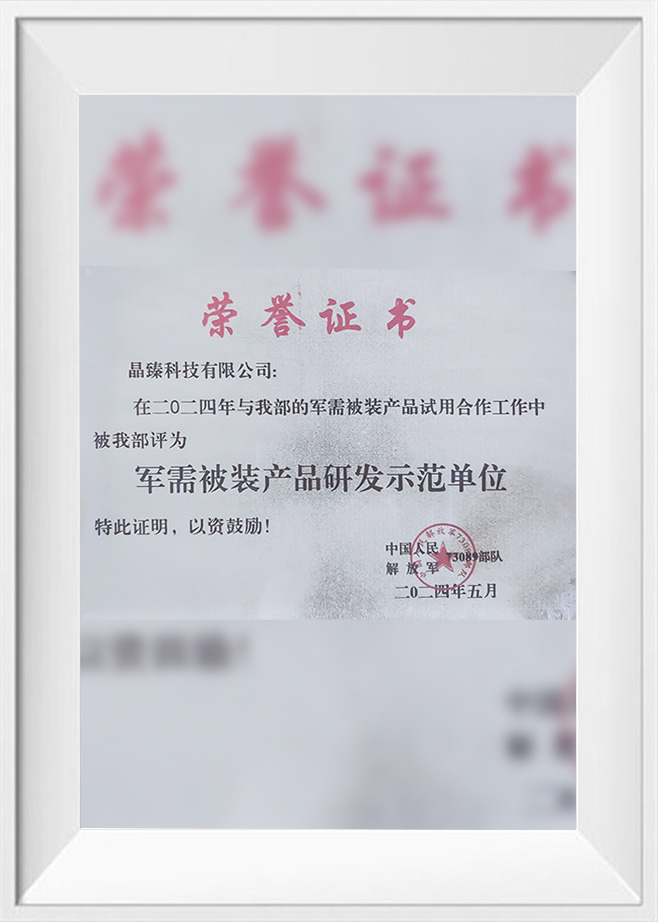 Certificate of Honor
 -
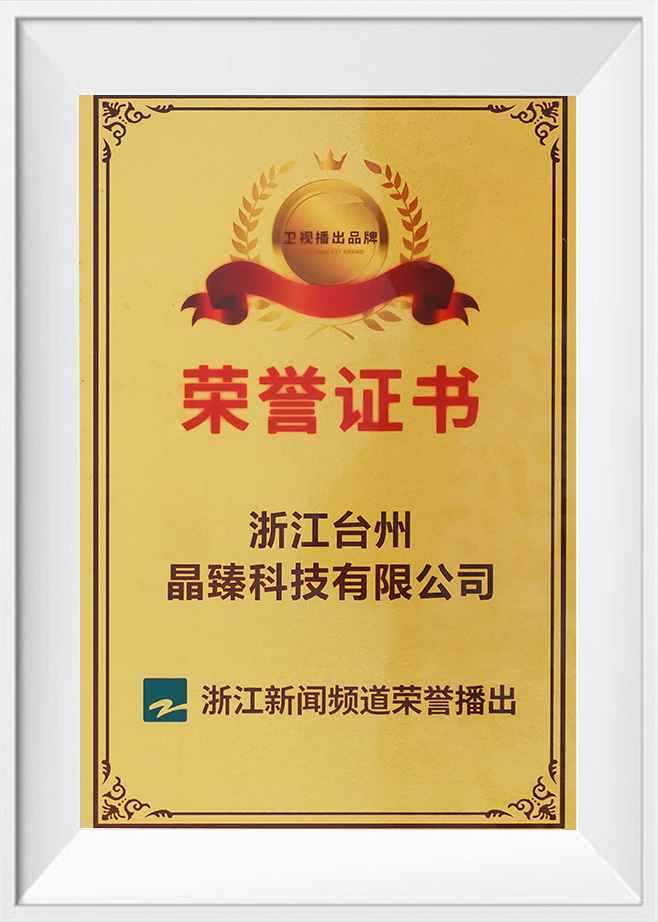 Certificate of Honor
 -
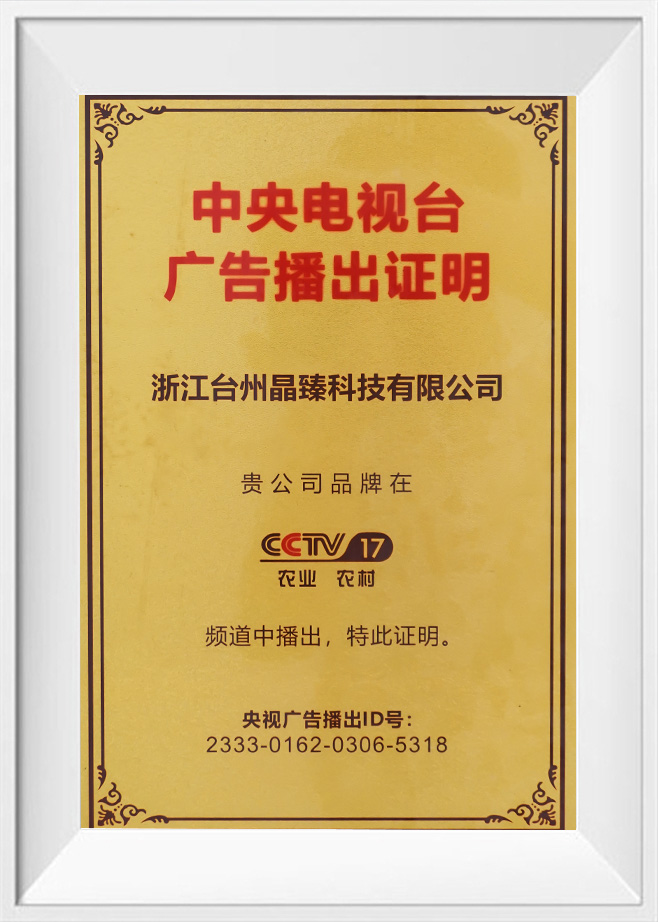 China Central Television Advertising Broadcast Certificate
 -
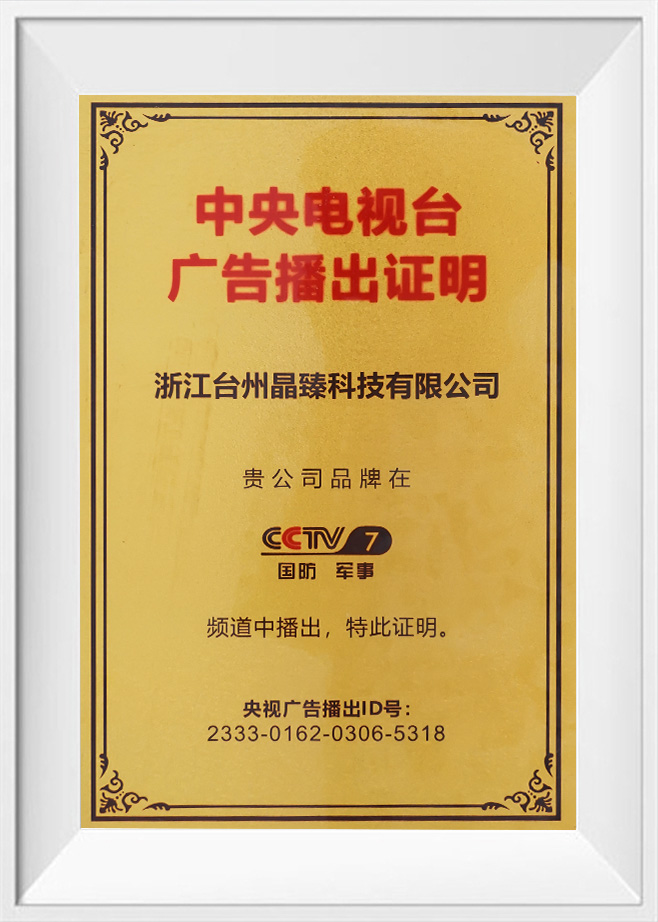 China Central Television Advertising Broadcast Certificate
News
-
Industry News 2026-07-17
Fabrics working near heat sources deal with conditions that ordinary textiles just weren't built to handle. Co...
View More -
Latest News 2026-07-13
Standards are the yardstick for industry progress. In the emerging field of functional composite fabrics, Blac...
View More -
Industry News 2026-07-10
Industrial workplaces often expose equipment and surrounding materials to continuous heat, temporary high temp...
View More
Contact Us Now
General Fabric Industry Knowledge Extension
What Is the Role of General Fabric in Fire-Resistant Textiles?
General Fabric forms the foundation of many textile products, including those with fire-resistant properties. While not inherently flame-resistant, these fabrics often serve as the base for treatments or blending with specialized fibers. Manufacturers rely on General Fabric for its versatility, durability, and ease of processing during weaving, knitting, or nonwoven production.
In the context of protective textiles, General Fabric is frequently combined with fibers that provide flame resistance, ensuring that the final product meets safety standards. Its adaptability allows textile producers to create fabrics suitable for industrial workwear, interior coverings, and other applications where both comfort and safety are required. Furthermore, General Fabric can be engineered with surface coatings or finishes to enhance water resistance or abrasion resistance, broadening its practical applications.
How Does Carbon Fiber Cloth Fabric Enhance Textile Performance?
Carbon Fiber Cloth Fabric is valued for its exceptional strength, lightweight characteristics, and resistance to high temperatures. Unlike standard fabrics, it provides both structural support and thermal stability, making it ideal for applications where durability and safety are crucial.
In the fire-resistant textile industry, Carbon Fiber Cloth Fabric is often woven with other fibers to produce composites that combine mechanical performance with protective properties. Its high tensile strength ensures that fabrics maintain integrity under stress, while its heat resistance contributes to flame retardancy.
Carbon Fiber Cloth Fabric can be integrated into industrial textiles, automotive interiors, and protective garments, providing safety in environments where exposure to heat or sparks is a concern. Its ability to maintain performance under repeated high-temperature exposure makes it a reliable choice for demanding applications.
What Are the Advantages of Temperature Resistant Fabric?
Temperature Resistant Fabric is designed to withstand extreme heat while retaining flexibility and structural stability. This type of fabric plays a critical role in safety applications, such as protective clothing, industrial insulation, and high-temperature process covers.
When combined with Carbon Fiber Cloth Fabric or reinforced with other fibers, Temperature Resistant Fabric enhances both thermal protection and durability. Its resistance to high temperatures helps reduce risks in industrial environments and ensures that protective garments remain effective over time.
Moreover, Temperature Resistant Fabric is often treated or engineered to maintain its protective properties after repeated use and exposure to heat, making it practical for long-term applications in demanding settings. It also allows manufacturers to create multi-layered fabrics that balance comfort, flexibility, and flame resistance.
How Do These Fabrics Influence the Fire-Resistant Textile Industry?
The fire-resistant textile industry relies on a combination of materials with complementary characteristics. General Fabric provides the structural foundation and adaptability for various textile applications. Carbon Fiber Cloth Fabric adds mechanical strength and thermal resilience, while Temperature Resistant Fabric ensures protection against high heat and flame exposure.
Manufacturers use these fabrics in combination to produce garments, industrial covers, and technical textiles that meet safety standards without compromising usability. Protective clothing for workers, interior coverings for vehicles or public spaces, and specialized industrial textiles all benefit from this integrated approach.
As safety regulations and industry requirements evolve, these fabrics allow manufacturers to respond with products that balance protection, durability, and comfort. By thoughtfully selecting and combining General Fabric, Carbon Fiber Cloth Fabric, and Temperature Resistant Fabric, the industry can create fire-resistant solutions suitable for a wide range of applications. In addition, ongoing research into fiber blending and fabric treatments continues to expand the potential uses of these materials, improving both performance and user experience.

-
 905, Yanxiang Technology Building, Binkang Road, Binjiang District, Hangzhou City, Zhejiang Province, China
 -
 +86-057186797597
 -
 +86-15658877105
 -

- QUICK LINKS
- Home
- About BlackFire
- Our Story
- FAQ
- QUICK LINKS
- Technology
- Application
- Contact Us
- NEWS & INSIGHTS
- Company News
- Industry News

