


 English
  عربى
عربى  中文简体
中文简体
Can Non-Flammable Yarn Resist Chemical Corrosion?
Non-flammable yarn is widely used in applications where fire resistance is crucial, such as in protective clothing, industrial textiles, and fireproof barriers. However, an important question arises: Can Non-Flammable Yarn resist chemical corrosion?
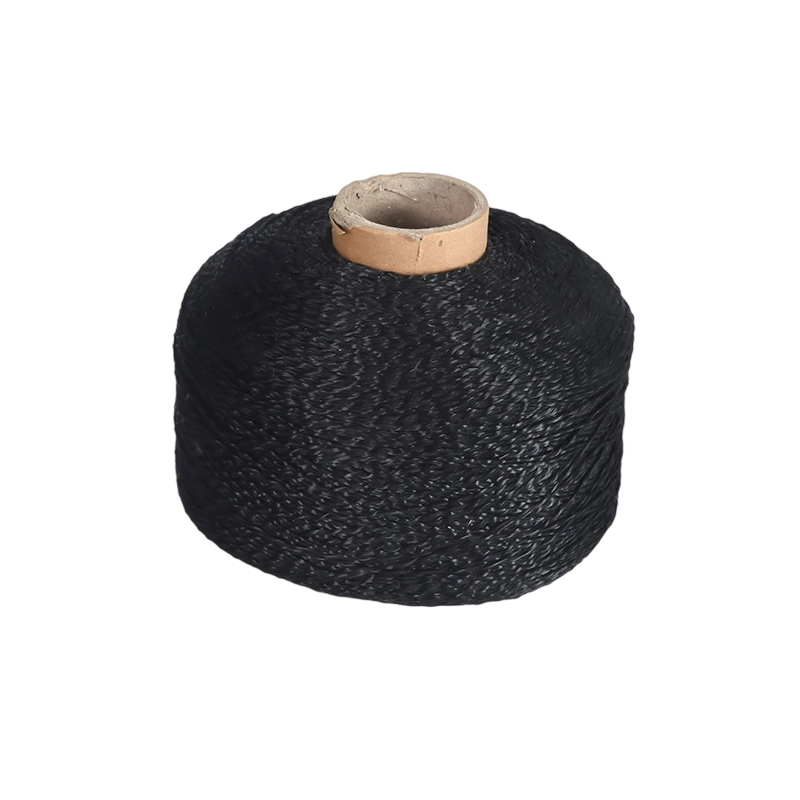
Chemical Resistance of Non-Flammable Yarn
- Material Composition and Resistance: The chemical resistance of Non-Flammable Yarn largely depends on the materials used in its production. Aramid fibers like Kevlar® and Nomex® are known for their good chemical resistance, with the ability to resist a wide range of acids, alkalis, and solvents. Fiberglass and carbon fibers, on the other hand, also offer high resistance to chemical degradation but may have limitations when exposed to strong acids or alkalis.
- Resistance to Common Chemicals: Many Non-Flammable Yarns are engineered to resist common chemicals found in industrial environments, such as oils, fuels, and cleaning agents. These fibers do not absorb moisture or react easily with chemicals, helping to maintain the strength and integrity of the material even in harsh conditions. However, prolonged exposure to highly concentrated acids or strong solvents may cause degradation of some types of yarn, particularly those that are not chemically resistant.
Factors Influencing Chemical Resistance
- Concentration of Chemicals: The concentration of chemicals plays a crucial role in determining the extent of corrosion or degradation. While Non-Flammable Yarn may be resistant to mild concentrations of many chemicals, higher concentrations of acids, alkalis, or solvents can break down the yarn structure over time. For example, prolonged exposure to concentrated sulfuric acid may degrade some types of non-flammable fibers.
- Temperature and Exposure Duration: Elevated temperatures can accelerate the chemical reactions that cause fiber degradation. In environments with both high heat and chemical exposure, the material’s resistance to chemicals may decrease. Some Non-Flammable Yarns, like aramid-based fibers, can withstand elevated temperatures, but their resistance to chemical exposure may diminish over time if subjected to continuous or high-temperature chemical environments.
- Protective Coatings: In some cases, Non-Flammable Yarn may be treated with protective coatings or finishes that enhance its chemical resistance. These coatings can provide an additional layer of protection against certain chemicals, preventing them from coming into direct contact with the fibers and thus prolonging the lifespan of the material.
Applications in Chemically Harsh Environments
- Industrial Protective Clothing: Non-Flammable Yarns are commonly used in protective clothing for workers exposed to both high temperatures and chemicals, such as in the oil and gas industry. While the yarn provides fire protection, additional chemical-resistant coatings may be applied to enhance its performance in chemically aggressive environments.
- Fireproof Barriers and Safety Gear: Non-flammable yarn is often used in applications like fireproof barriers, safety gloves, and insulation materials. When used in environments where both heat and chemicals are present, it’s important to select yarns that are resistant to both factors to ensure long-term durability and protection.
While Non-Flammable Yarn offers good fire resistance, its ability to resist chemical corrosion depends on its material composition and the specific chemicals it is exposed to. Yarns made from aramid, fiberglass, or carbon fibers can resist many common chemicals, but certain harsh chemicals, especially in high concentrations, may still cause degradation. When selecting non-flammable yarn for use in chemically challenging environments, it is essential to consider the specific chemicals involved, the temperature conditions, and whether additional protective coatings are needed to ensure long-lasting performance.
LATEST POST
Let’s create something amazing together
contact us
-
 905, Yanxiang Technology Building, Binkang Road, Binjiang District, Hangzhou City, Zhejiang Province, China
 -
 +86-057186797597
 -
 +86-15658877105
 -

- QUICK LINKS
- Home
- About BlackFire
- Our Story
- FAQ
- QUICK LINKS
- Technology
- Application
- Contact Us
- NEWS & INSIGHTS
- Company News
- Industry News
Don't hesitate to contact when you need us!

