


 English
  عربى
عربى  中文简体
中文简体
Firefighting Fabrics Compared with Nanothermal Materials
Introduction to Firefighting Suit Fabric
Purpose and application: Firefighting suit fabrics are engineered to protect personnel from extreme heat, open flames, and hazardous environments.
Material composition: Commonly made from aramid fibers, Nomex, PBI blends, or other fire-resistant fibers that offer high thermal stability and mechanical strength.
Importance of quality: Using high-quality Firefighting Suit Fabric ensures compliance with safety standards and reliable protection in demanding conditions.
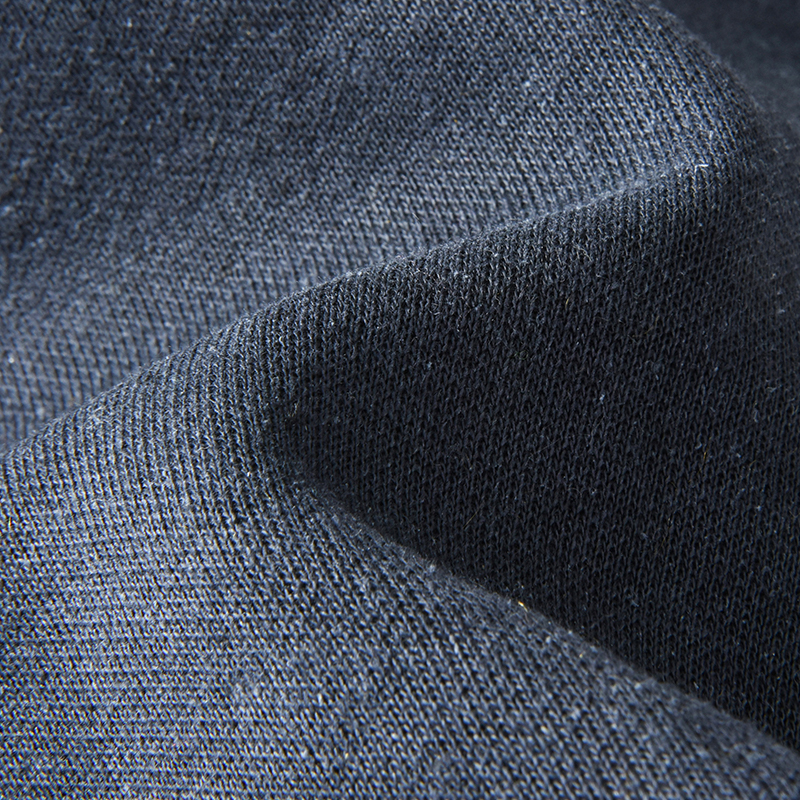
Introduction to Nanothermal Insulation Materials
Definition and mechanism: Nanothermal materials are advanced insulation fabrics that use nanoscale structures to reduce heat transfer.
Applications: Widely used in industrial protective gear, aerospace insulation, high-temperature machinery, and specialized clothing.
Key property: Nanostructures trap air and reduce heat conduction, convection, and, to some extent, radiation.
Advantages of Firefighting Suit Fabric
- Flame resistance:
Highly resistant to direct flame and extreme temperatures.
Self-extinguishing properties prevent fire from spreading to the wearer.
- Mechanical durability:
Resistant to tearing, abrasion, and puncture, ensuring long-term use in rough conditions.
- Field-proven performance:
Extensively tested in real firefighting scenarios to meet strict safety standards.
- Additional protection features:
Many fabrics include moisture barriers or chemical-resistant layers to protect against hazardous environments.
Limitations of Firefighting Suit Fabric
- Weight and bulkiness: Multiple protective layers can reduce mobility and increase fatigue during extended use.
- Limited radiant heat reflection: Standard fabrics provide minimal infrared radiation protection unless enhanced with reflective coatings.
- Cost: High-performance fabrics are expensive due to specialized fibers and multi-layer construction.
Advantages of Nanothermal Materials
- Good thermal insulation: Nanoscale structures provide good protection against conductive and radiant heat.
- Lightweight and flexible: Achieves high thermal resistance without bulky layers, improving wearer comfort and mobility.
- Versatile integration: Can be combined with other fabrics or coatings for hybrid protective gear.
- Potential multifunctionality: Nanomaterials can be engineered for water resistance, chemical resistance, or partial flame retardancy when treated.
Limitations of Nanothermal Materials
- Limited flame resistance: Alone, they may not withstand direct flames or extreme heat like traditional firefighting fabrics.
- Durability concerns: Fine nanostructures can degrade under abrasion, repeated washing, or mechanical stress.
- Cost: Advanced production techniques make nanomaterials expensive.
- Regulatory compliance: May require additional certification to meet firefighting or industrial safety standards.
Comparative Analysis
1. Flame protection: Firefighting fabrics: Highly effective and field-tested.
2. Nanothermal materials: Limited without additional fire-resistant coatings.
3/ Thermal insulation:
- Firefighting fabrics: Effective against direct heat and conduction, but heavier.
- Nanothermal materials: Good radiant and conductive heat insulation, lightweight.
4. Mobility and comfort:
- Firefighting fabrics: Bulkier, may reduce agility.
- Nanothermal materials: Lightweight, flexible, and comfortable for extended wear.
5. Durability:
- Firefighting fabrics: Good mechanical strength.
- Nanothermal materials: More delicate, sensitive to abrasion and handling.
6. Cost and accessibility:
- Both are costly, but nanomaterials generally have higher production costs.
Hybrid Applications and Recommendations
Layered design:
- Combining firefighting suit fabrics with nanothermal layers can provide both flame resistance and improved thermal insulation.
- Reflective nanocoatings can enhance protection against infrared radiation.
Selection criteria:
Consider operational environment, mobility requirements, heat exposure, and regulatory standards when choosing materials.
Maintenance:
- Firefighting fabrics require inspection for wear and damage.
- Nanothermal layers should be handled carefully to maintain insulation performance.
Both Firefighting Suit Fabric and nanothermal insulation materials have unique strengths and limitations. Firefighting fabrics excel in flame resistance, durability, and field-proven protection, but they can be heavy and less efficient at blocking radiant heat. Nanothermal materials provide lightweight, flexible, and good insulation against radiant and conductive heat but may lack direct flame resistance and long-term durability. Hybrid designs combining both materials can optimize safety, comfort, and thermal protection for high-risk environments. Understanding these trade-offs is essential for engineers, manufacturers, and safety professionals when selecting protective textiles.
LATEST POST
Let’s create something amazing together
contact us
-
 905, Yanxiang Technology Building, Binkang Road, Binjiang District, Hangzhou City, Zhejiang Province, China
 -
 +86-057186797597
 -
 +86-15658877105
 -

- QUICK LINKS
- Home
- About BlackFire
- Our Story
- FAQ
- QUICK LINKS
- Technology
- Application
- Contact Us
- NEWS & INSIGHTS
- Company News
- Industry News
Don't hesitate to contact when you need us!

