


 English
  عربى
عربى  中文简体
中文简体
Is it really safe when the fire goes out? ——The material truth behind a resurgence accident?
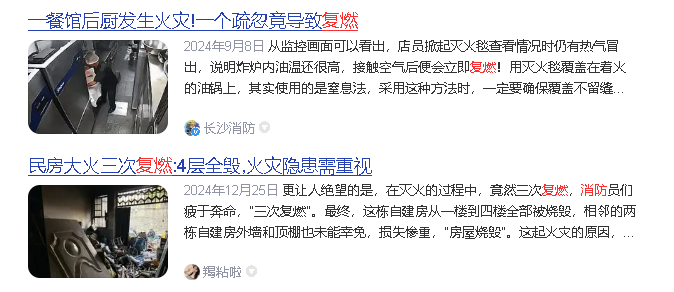
At 11 o'clock in the evening, a fire in an old residential building had been extinguished. Fire trucks are gradually evacuating, and the charred windows no longer emit open flames, leaving only wisps of smoke. The crowd of onlookers gradually dispersed, and everything seemed to return to calm.

However, two hours later, the piercing alarm once again pierced the night sky - at the same location, raging flames shot out of the window again. This is not a movie plot, but a real "resurgence" event in the fire records.
Why does danger continue to ferment even though flames are no longer visible?
01 Extinguished flames, unextinguished risks
In traditional understanding, the end of a fire is marked by the disappearance of an open flame. But modern fire science reveals a counterintuitive truth: the cessation of firefighting actions is precisely the beginning, not the end, of systematic risk management.
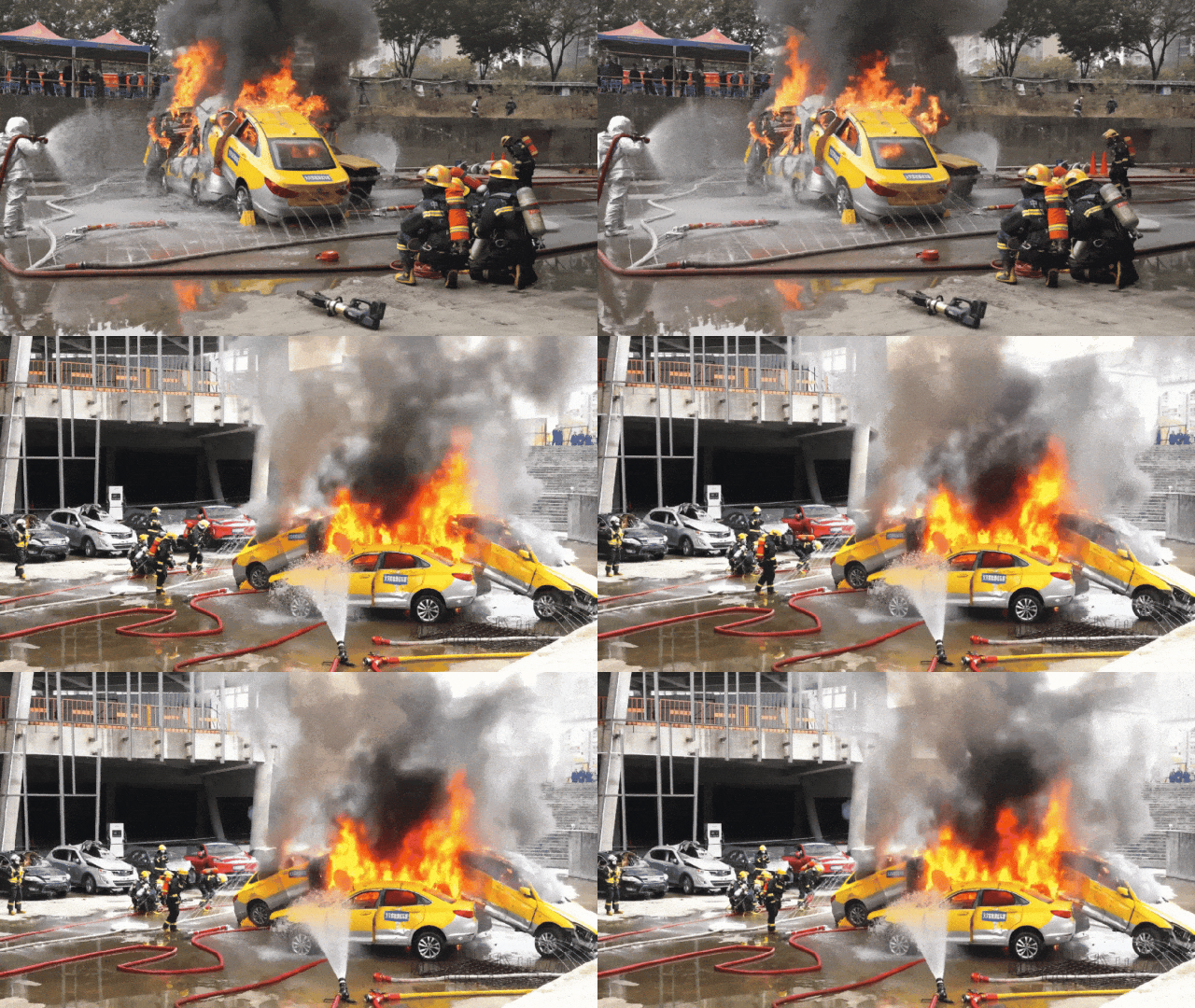
At the scene of a new energy vehicle fire, firefighters chose to 'let it burn out', which is a manifestation of this logic. It's not that they won't save it, but that the lithium battery is burning and they can't stop it at all.
When lithium batteries enter a state of thermal runaway, their internal chemical reactions become self-sufficient, and external suppression often only controls the spread and cannot interrupt their internal chain reactions. After the open flame is suppressed, there is still intense electrochemical heat release inside the battery pack.
02 When Fireproof Materials' Betrayed 'Us: Neglected Secondary Risks
Faced with these latent risks, the fire-resistant materials we rely on themselves may become a new source of risk in extreme environments.
Why does standard fire resistance data fail in real fires?
The fire resistance data obtained under standard testing conditions often differ from experimental results in the face of real fire performance. In real fires, the temperature curve varies greatly, and water flow impact, structural deformation, and aging degree can all affect the actual performance of materials.
These variables are often the ones that are "excluded" in laboratory testing.
Therefore, a panel that is declared to have a fire resistance limit in the inspection report may lose its protective ability prematurely in a real fire scene due to structural cracking, connection failure, or performance degradation.
It's not that the materials are fake, but rather that there is an undeniable gap between the testing conditions and the reality of the fire.
The more deadly 'droplet effect.'
Many common materials melt at 250-350 ℃, producing droplets with temperatures as high as 800 ℃. These "droplet fireballs" will ignite objects below that are not directly in contact with the flame, becoming "accelerators" for the three-dimensional spread of the fire.
In a fire, secondary ignition caused by droplets can sometimes be more deadly than the initial source of ignition.
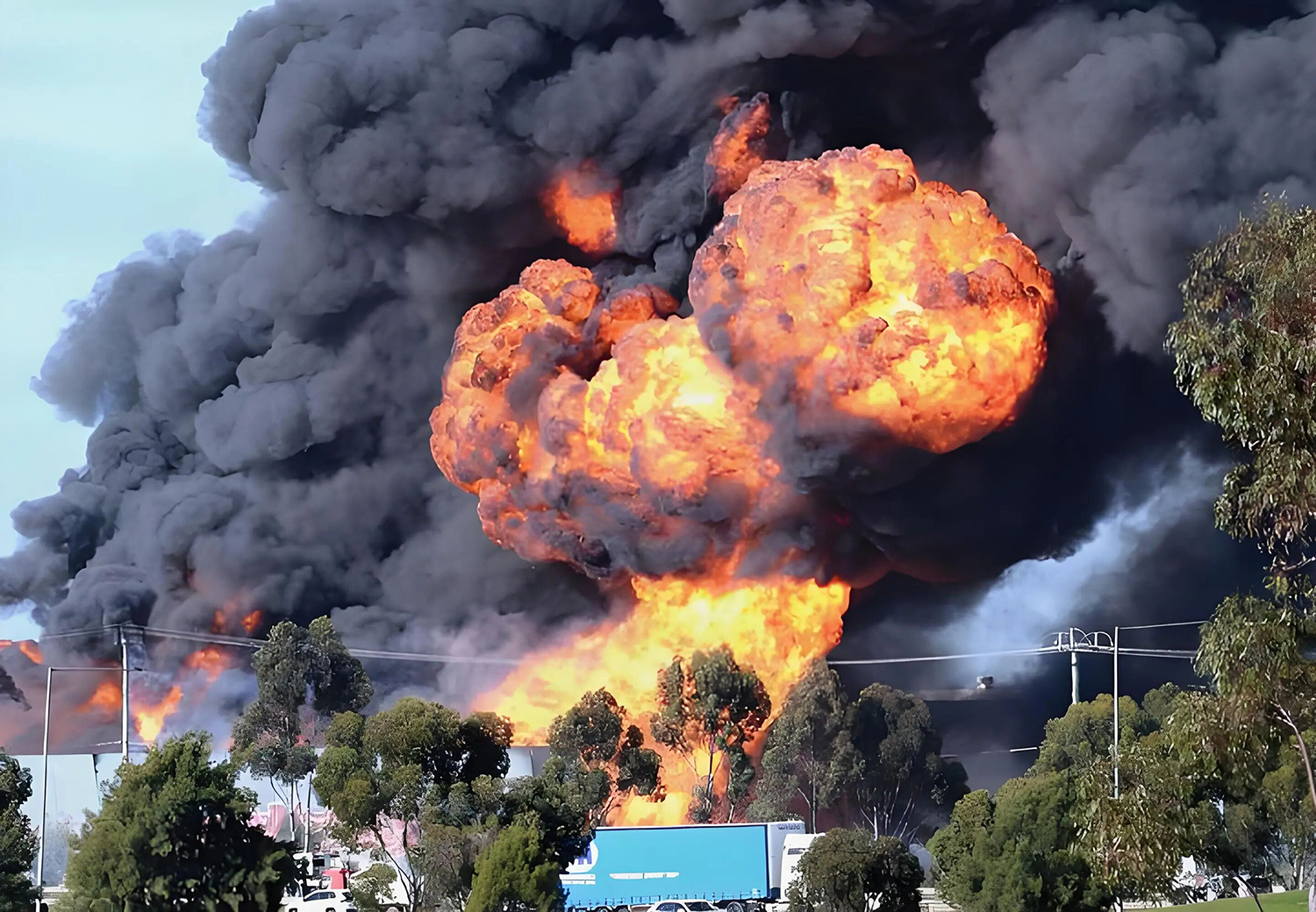
Poison gas: the silent 'first killer.'
According to statistics, about 80% of deaths in fires are caused by inhaling toxic smoke rather than direct burns. Almost all organic materials produce highly toxic gases such as carbon monoxide and hydrogen cyanide during thermal decomposition.
Some materials with added halogen flame retardants produce dioxin-like substances at high temperatures, which are more toxic. These toxic gases may still accumulate in enclosed spaces after the fire is extinguished, posing a threat to personnel entering the scene.
03 Material safety selection under system thinking: from "flame retardant" to "non-combustible.e"
In the face of complex post-fire risks, we need to establish a risk management mindset for the entire chain, and material selection is a crucial link in it.
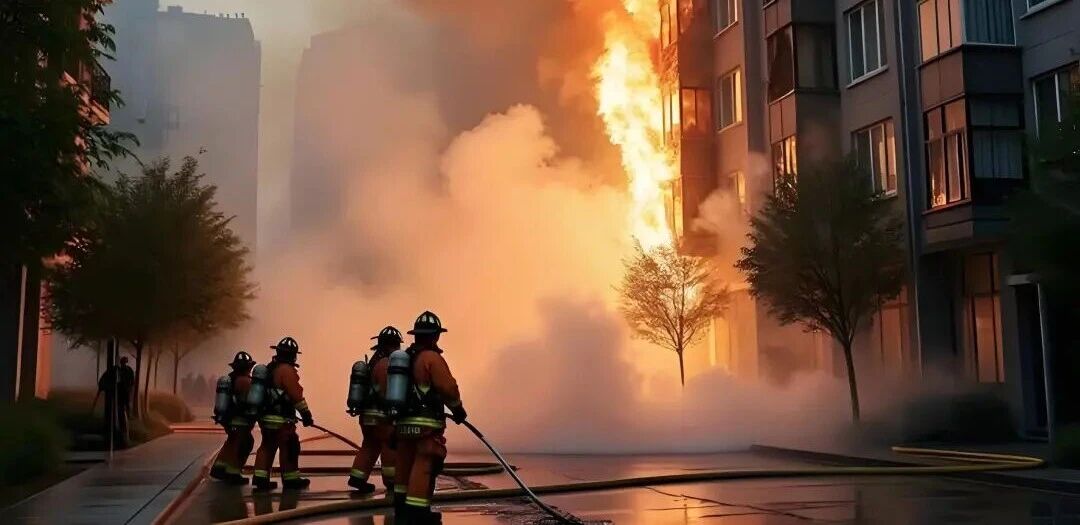
1. Establish awareness of 'residual risk assessment.'
Before firefighters evacuate, they should use a thermal imaging system to identify hidden heat sources; Thoroughly dismantle and inspect furniture that may have smoldering; and establish a safety observation period to ensure complete risk mitigation. For special fires such as lithium batteries, it is even more necessary to be prepared for a "protracted war".
2. The Four Scientific Dimensions of Material Selection
When choosing fire-resistant materials, one should go beyond a single "flame retardant" label and pay attention to their behavior throughout the entire fire cycle:

Thermal stability: Whether it can maintain structural integrity without melting or dripping at sustained high temperatures. Toxicity: Whether the smoke generated during high-temperature decomposition is environmentally friendly and poses no harm to human health. Resistance to reignition: Whether the material itself does not smolder or participate in combustion after the open flame disappears. Durability: Whether the protective performance does not significantly deteriorate after experiencing high temperature and water immersion.
It is precisely from this perspective of the entire fire cycle that the value of materials is re-evaluated.
A truly reliable fire-resistant material is not just "passed" in the testing report, but remains a new source of risk even in the most unfavorable conditions.
The significance of inherently non-combustible materials such as Black Fire carbon fiber fabric lies not only in its ability to withstand instantaneous high temperatures, but also in the fact that under the blue flame spray at 1600 ℃, this material only undergoes surface carbonization, does not participate in combustion reactions, and does not produce molten droplets.

This means that it can not only resist the high temperature during the open flame stage, but also maintain stability in the sustained high temperature environment after the fire is extinguished, without releasing flammable gases, fundamentally reducing the fuel source for reignition.
Its almost smoke-free and non-toxic characteristics greatly reduce the risk of toxic gases throughout the entire fire cycle; The anti droplet feature cuts off the path for fire to spread through droplets.
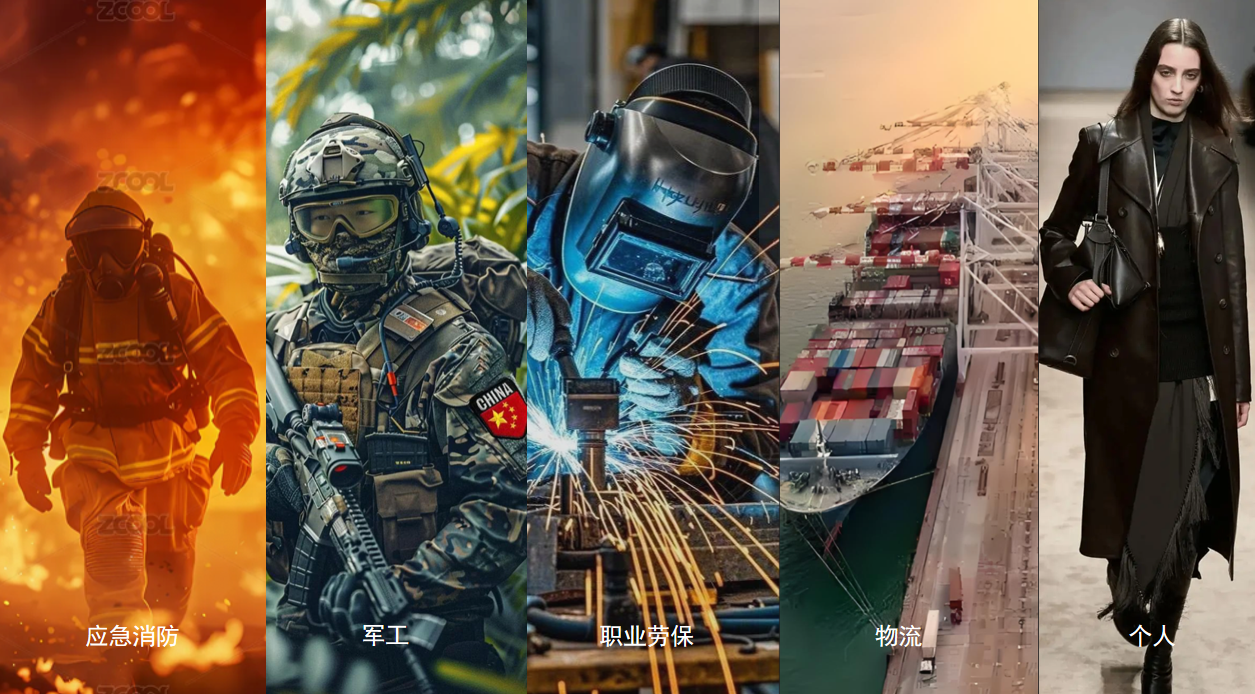
When this material is applied to fire-resistant blankets, protective clothing, or home decor, it not only provides protection during the "firefighting phase", but also continuously reduces systemic risks during the "post fire phase".
04 Inspiration: Security is a dynamic process, not a static state
Every fire is unique, but scientific thinking is interconnected. The ancient wisdom of 'resurrection' has gained richer scientific connotations today.
After the fire is extinguished, the remaining ashes, the faintly heating broken walls, and the quietly accumulating toxic gases all remind us that true safety is not only about extinguishing a visible fire, but also about identifying and controlling invisible risks.
As the fire truck drove away from the scene, the next chapter of risk management had just begun. And this requires scientific cognition, systematic thinking, and materials technology that can truly withstand the full cycle test.
On the path of material evolution from "flame retardant" to "non combustible", every pursuit of intrinsic safety is adding a solid guarantee to the world after the fire is completely extinguished.
LATEST POST
Let’s create something amazing together
contact us
-
 905, Yanxiang Technology Building, Binkang Road, Binjiang District, Hangzhou City, Zhejiang Province, China
 -
 +86-057186797597
 -
 +86-15658877105
 -

- QUICK LINKS
- Home
- About BlackFire
- Our Story
- FAQ
- QUICK LINKS
- Technology
- Application
- Contact Us
- NEWS & INSIGHTS
- Company News
- Industry News
Don't hesitate to contact when you need us!

