


 English
  عربى
عربى  中文简体
中文简体
Advantages and Limitations of Carbonlene Fireproof Fabric
Understanding Fire Protection Options
Carbonlene Fireproof Fabric is widely used in industrial, commercial, and residential applications to provide reliable flame resistance. Compared to alternative fire-retardant solutions, such as spray-on treatments or flame-retardant coatings, this fabric offers unique benefits as well as certain limitations. Understanding these differences is essential for users who aim to improve safety, durability, and cost-effectiveness.
Intrinsic Flame Resistance
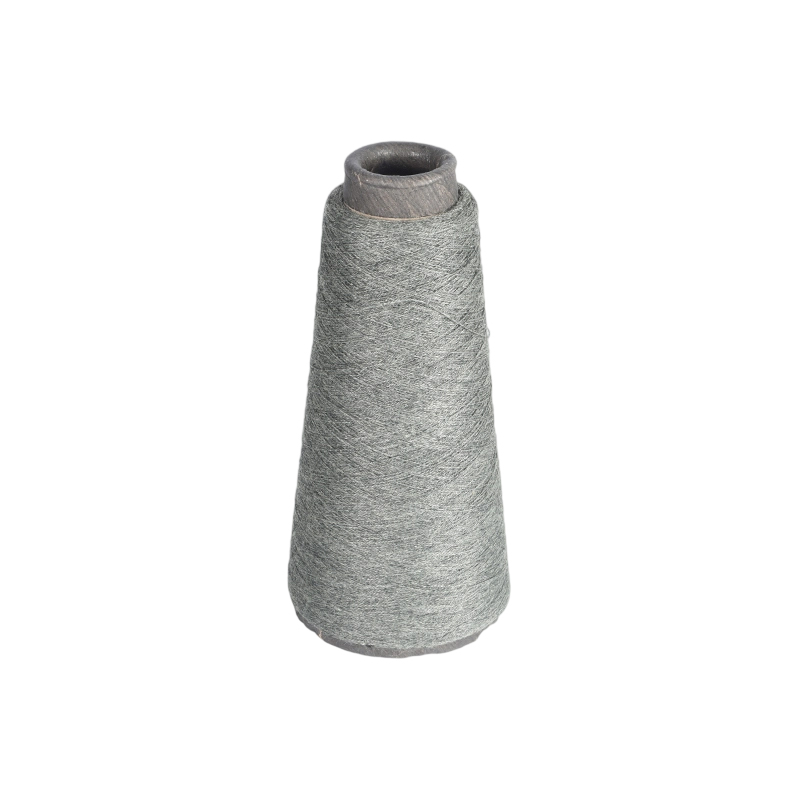
One of the key advantages of Carbonlene Fireproof Fabric is its inherent fire-resistant properties. Unlike spray-on solutions or coatings that rely on surface treatments, Carbonlene fabric is engineered with flame-retardant fibers throughout its structure. This intrinsic resistance ensures that even if the surface is damaged, cut, or worn, the fabric continues to provide protection. In contrast, sprays and coatings may lose effectiveness if applied unevenly, exposed to abrasion, or washed repeatedly, making long-term durability less reliable.
Durability and Longevity
Carbonlene Fireproof Fabric also excels in durability. It can withstand repeated use, washing, and mechanical stress without significant loss of fire resistance. Spray-on treatments and coatings, while effective initially, can degrade over time, particularly under harsh environmental conditions or frequent handling. Users seeking long-term protection often find Carbonlene fabric to be a more dependable choice, especially for workwear, upholstery, or industrial curtains where repeated contact and wear are expected.
Ease of Application and Flexibility
On the other hand, fire-retardant sprays and coatings offer advantages in terms of flexibility and convenience. They can be applied to existing fabrics, furniture, or surfaces without the need to replace materials. This is useful for retrofitting or enhancing the fire resistance of items that were not initially fireproof. Carbonlene Fireproof Fabric, while offering good intrinsic protection, requires replacement if additional coverage or size adjustments are needed, making it less adaptable in some retrofit scenarios.
Cost Considerations
Cost is another factor distinguishing Carbonlene Fireproof Fabric from sprays and coatings. High-performance fireproof fabrics often come with a higher initial price compared to applying a spray or coating to standard materials. However, when considering long-term durability and maintenance, Carbonlene fabric can be more cost-effective because it does not require repeated reapplications. Sprays and coatings may need periodic renewal to maintain fire-resistant performance, adding ongoing costs over time.
Environmental and Safety Factors
Environmental impact and safety also differ between these options. Carbonlene Fireproof Fabric is designed to meet strict safety standards without the need for potentially harmful chemical sprays. Some fire-retardant sprays and coatings contain volatile organic compounds (VOCs) or other chemicals that may pose health or environmental concerns during application or disposal. For users prioritizing eco-friendliness and indoor air quality, the fabric offers an advantage in providing long-lasting protection without additional chemical exposure.
Choosing the Appropriate Fire Protection
Carbonlene Fireproof Fabric offers significant advantages over fire-retardant sprays and coatings, including intrinsic flame resistance, long-term durability, and safer handling. Its limitations include a higher upfront cost and reduced adaptability for retrofitting existing items. Fire-retardant sprays and coatings provide convenience, lower initial expense, and the ability to treat a wide range of surfaces, but may require repeated applications and careful handling due to chemical content. Evaluating the specific needs of a project, including budget, usage environment, and safety requirements, will help determine the appropriate fire protection solution.
LATEST POST
Let’s create something amazing together
contact us
-
 905, Yanxiang Technology Building, Binkang Road, Binjiang District, Hangzhou City, Zhejiang Province, China
 -
 +86-057186797597
 -
 +86-15658877105
 -

- QUICK LINKS
- Home
- About BlackFire
- Our Story
- FAQ
- QUICK LINKS
- Technology
- Application
- Contact Us
- NEWS & INSIGHTS
- Company News
- Industry News
Don't hesitate to contact when you need us!

