


 English
  عربى
عربى  中文简体
中文简体
Enhancing Safety by Blending Non-Flammable Yarn
Yarn Blending for Safety
In the textile industry, combining different fibers is a common strategy to achieve specific performance characteristics. When safety is a priority, blending Non-Flammable Yarn with conventional fibers can significantly enhance the fire resistance of fabrics while maintaining comfort, flexibility, and cost-effectiveness.
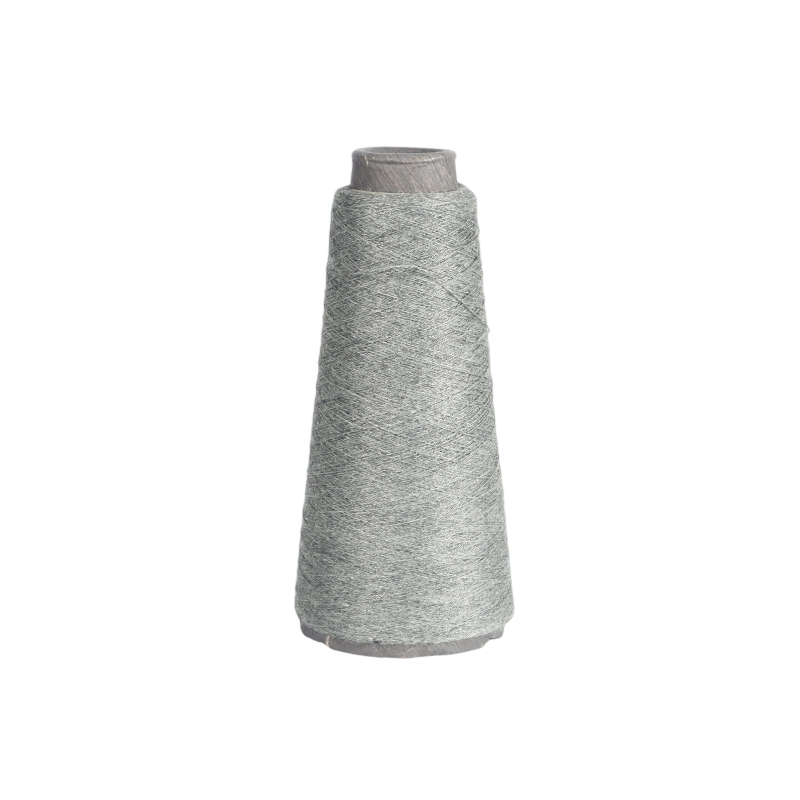
Benefits of Blending Non-Flammable Yarn
- Blending Non-Flammable Yarn with traditional fibers provides several key advantages for both industrial and consumer applications.
- Improved fire resistance across the fabric surface, reducing ignition risk.
- Enhanced durability, as the combination can balance strength and flexibility.
- Cost optimization, since high-performance fire-resistant fibers can be expensive, and blending allows partial substitution.
- Versatility in fabric applications, from protective clothing to home textiles and upholstery.
- By selecting appropriate blending ratios, designers can create fabrics that are safer yet still practical for everyday use.
Common Fiber Blending Strategies
Several common strategies are used to combine Non-Flammable Yarn with conventional fibers such as cotton, polyester, or wool.
Core-Spun Yarn: A core of Non-Flammable Yarn is wrapped with cotton or polyester fibers to provide comfort and a soft touch while retaining fire-resistant properties.
Mixed Blends: Non-flammable yarn is mixed with other fibers during spinning to produce a uniform yarn that combines the fire-retardant feature with breathability and elasticity.
Layered Construction: In woven or knitted fabrics, layers of Non-Flammable Yarn can be integrated with ordinary fibers in specific patterns to protect critical areas while keeping the fabric lightweight.
These techniques allow the production of fabrics suitable for clothing, industrial protective gear, and decorative textiles.
Typical Blending Ratios
- The ratio of Non-Flammable Yarn to ordinary fibers depends on the desired level of protection, fabric feel, and cost considerations.
- Light-duty protective garments may contain 20–40% Non-Flammable Yarn mixed with cotton or polyester.
- Industrial-grade fire-resistant fabrics often use 50–70% Non-Flammable Yarn for enhanced thermal protection.
- Specialized applications, such as firefighter uniforms, may use a high percentage of Non-Flammable Yarn combined with small amounts of other fibers to balance comfort and performance.
- Selecting the right ratio ensures suitable performance without excessive material costs.
Considerations for Fabric Properties
While safety is the primary goal, blending must also account for mechanical and aesthetic qualities.
1. Strength and Durability: Non-flammable yarn can improve tensile strength and abrasion resistance, making fabrics longer-lasting.
2. Flexibility and Comfort: Adding softer fibers like cotton or viscose improves comfort and wearability.
3. Appearance: Blending can influence texture, color absorption, and surface uniformity.
Proper testing and quality control are essential to ensure that the final fabric meets both safety standards and consumer expectations.
Applications of Blended Fabrics
- Blended fabrics are widely used across industries where fire resistance is important.
- Protective clothing for industrial workers, firefighters, and laboratory personnel.
- Upholstery and home textiles such as curtains, carpets, and bedding in public or commercial spaces.
- Transportation applications, including aircraft, rail, and marine interiors, where flame retardancy is critical.
- Blending Non-Flammable Yarn with ordinary fibers makes these fabrics both functional and commercially viable.
Balancing Safety and Practicality
Blending Non-Flammable Yarn with conventional fibers is a practical solution to enhance fire safety while maintaining comfort, cost-effectiveness, and versatility. By carefully selecting fiber combinations, blending techniques, and ratios, manufacturers can produce textiles that meet regulatory requirements and performance expectations. This strategy provides a balanced approach to creating safer fabrics suitable for a wide range of industrial, commercial, and consumer applications.
LATEST POST
Let’s create something amazing together
contact us
-
 905, Yanxiang Technology Building, Binkang Road, Binjiang District, Hangzhou City, Zhejiang Province, China
 -
 +86-057186797597
 -
 +86-15658877105
 -

- QUICK LINKS
- Home
- About BlackFire
- Our Story
- FAQ
- QUICK LINKS
- Technology
- Application
- Contact Us
- NEWS & INSIGHTS
- Company News
- Industry News
Don't hesitate to contact when you need us!

