


 English
  عربى
عربى  中文简体
中文简体
Application Methods for Fire Retardant Liquid
Choosing the Right Application Method
Fire Retardant Liquid is widely used to enhance the fire resistance of materials such as wood, fabrics, plastics, and paper. One of the key factors influencing its effectiveness is the application method. The choice between spraying, brushing, or soaking can significantly affect the coverage, penetration, and overall fire-retardant performance. Understanding the advantages and limitations of each method allows users to achieve suitable results for both DIY projects and industrial applications.
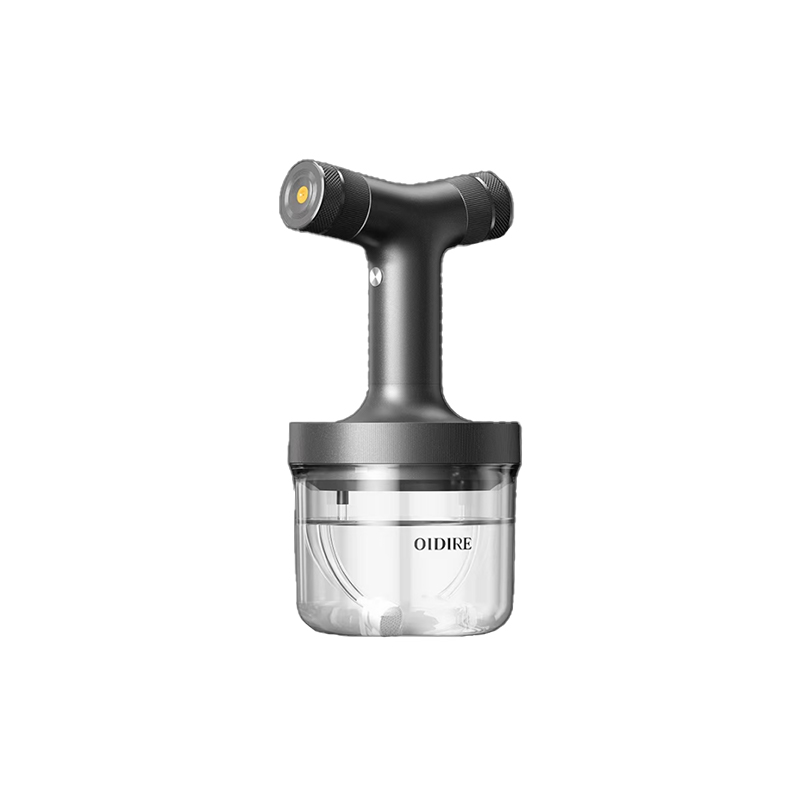
Spraying Method
Spraying is one of the commonly used methods for applying Fire Retardant Liquid, particularly for large surfaces or irregularly shaped objects. Spray application provides a uniform coating without physically contacting the material, which reduces the risk of damage. It is efficient for covering wide areas quickly and can be used with spray guns or aerosol cans, depending on the product and scale of the project. However, spraying may require multiple layers to ensure adequate penetration, and environmental factors such as wind or air movement can affect coverage. Protective equipment, such as masks and gloves, is recommended to avoid inhalation or skin contact.
Brushing Method
Brushing involves manually applying Fire Retardant Liquid with a paintbrush, roller, or similar tool. This method allows for more controlled application, especially for small areas, edges, or detailed surfaces where spraying may not reach. Brushing can create a thicker coat on targeted areas, improving localized fire resistance. It is also easier to monitor the amount of liquid applied, reducing waste. The main drawback is that brushing is more labor-intensive and time-consuming compared to spraying. Additionally, uneven brushing may result in inconsistent thickness, which could affect overall effectiveness.
Soaking or Dipping Method
Soaking or dipping materials in Fire Retardant Liquid ensures deep penetration and thorough coverage. This method is particularly effective for porous materials such as untreated wood or fabrics, where absorption is critical for fire-retardant performance. Soaking allows the liquid to reach inner fibers or layers that surface applications may not adequately protect. After soaking, materials are typically left to dry or cured according to the manufacturer's instructions. The primary limitations of this method include higher consumption of liquid and the need for sufficient space or containers to accommodate the soaking process. It is less practical for large, fixed, or heavy objects that cannot be fully submerged.
Comparison of Effectiveness
Each application method has its strengths and weaknesses, and the choice depends on the material type, surface area, and project requirements. Spraying is ideal for quick coverage and irregular surfaces, brushing offers precise control for smaller or detailed areas, and soaking provides the deep penetration for fire resistance. In many cases, combining methods may yield the results, for example, soaking a porous material followed by a light spray or brush finish to ensure even coating.
Additional Considerations
Proper preparation is essential regardless of the application method. Surfaces should be clean, dry, and free of contaminants to enhance adhesion and effectiveness. Temperature and humidity can affect drying time and absorption, so following manufacturer guidelines is crucial. Post-application care, including drying, curing, or sealing, ensures that Fire Retardant Liquid maintains its performance over time. Users should also wear appropriate protective gear and work in a well-ventilated area to decrease exposure to chemicals.
Selecting the Appropriate Method
The suitable application of Fire Retardant Liquid depends on the project’s scale, material type, and desired fire resistance. Spraying offers speed and convenience for large or irregular surfaces, brushing provides precision and control, and soaking ensures deep protection for porous materials. Understanding the advantages and limitations of each method allows users to select the effective technique, sometimes combining methods to improve performance. Proper preparation, application, and post-treatment are critical to ensuring that the treated materials remain safe and fire-resistant over time.
LATEST POST
Let’s create something amazing together
contact us
-
 905, Yanxiang Technology Building, Binkang Road, Binjiang District, Hangzhou City, Zhejiang Province, China
 -
 +86-057186797597
 -
 +86-15658877105
 -

- QUICK LINKS
- Home
- About BlackFire
- Our Story
- FAQ
- QUICK LINKS
- Technology
- Application
- Contact Us
- NEWS & INSIGHTS
- Company News
- Industry News
Don't hesitate to contact when you need us!

