


 English
  عربى
عربى  中文简体
中文简体
Dye Compatibility and Flame Resistance Retention
Dyeing Challenges for Specialized Fibers
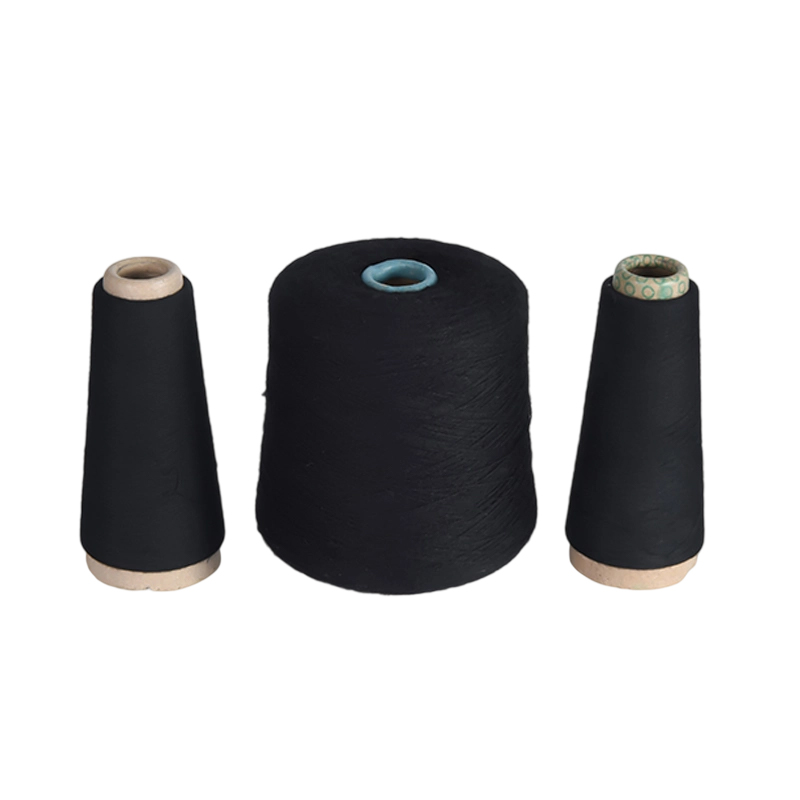
When discussing whether Non-Flammable Yarn can be dyed, it is important to consider the fiber’s chemical composition, its inherent flame-resistant structure, and the conditions required for coloration. Many flame-resistant fibers are engineered to resist ignition through special molecular arrangements or additive techniques. These built-in features can influence how well the fiber absorbs dyes, how stable the coloration remains, and whether the flame-resistant qualities are affected during processing. Since yarns in this category are often used in uniforms, upholstery, protective gear, or public-space textiles, both color performance and safety compliance must be carefully evaluated.
How Material Composition Affects Dyeability
The dyeing capability of a yarn depends greatly on its polymer structure. Some inherently flame-resistant fibers, such as meta-aramids or modacrylic blends, exhibit limited dye uptake because their molecular chains are highly stable and less receptive to conventional dye molecules. In such cases, the yarn can still be colored, but it may require high-temperature dyeing, special dye classes, or pre-treatment processes. Other flame-resistant fibers incorporate additives during extrusion, which may alter the polymer surface and slightly improve dyeability. However, even with improved absorption, the final color intensity may not equal that of regular polyester or cotton. Manufacturers often adjust formulations or surface treatments to achieve a suitable balance between color depth and safety performance.
Evaluating Whether Dyeing Affects Flame Resistance
A common concern is whether dye application will compromise the yarn’s protective characteristics. In most cases, inherently flame-resistant fibers retain their protective performance after dyeing because the flame resistance is part of the polymer matrix rather than a surface coating. This means the key safety features remain intact even when exposed to dye baths, high temperatures, or chemical auxiliaries. However, some precautions are necessary. Using dyes or chemicals that leave flammable residues can reduce overall fire resistance. Excessive use of softeners, fixatives, or binders may introduce combustible components onto the yarn surface. For this reason, dye houses working with protective fabrics typically follow restricted chemical lists to ensure final products continue to meet NFPA, EN, or UL standards.
Processing Conditions and Their Influence on Performance
The dyeing process itself can influence durability and heat stability, especially if the yarn is exposed to temperatures near its softening point. High-temperature dye baths may cause slight changes in fiber flexibility or tensile strength if the polymer is sensitive to heat. Additionally, pH imbalance in the dye bath can affect certain polymers and potentially weaken the structure over time. Proper process control is therefore essential to maintain both color vibrancy and flame resistance. Industrial facilities experienced in technical textiles usually rely on controlled temperature ramps, specialized dye carriers, and post-dye rinsing steps that remove chemical residues capable of affecting fire-retardant behavior.
Limitations and Practices for Maintaining Performance
While dyeing is generally possible, some limitations should be acknowledged. Deep or highly saturated colors may be harder to achieve, and repeated dyeing attempts can stress the fiber. Moreover, the final fabric may show slight shade variances due to the unique properties of flame-resistant yarns. To preserve suitable flame resistance, manufacturers recommend using certified dyes, limiting additives that increase flammability, and performing post-dye testing such as vertical burn tests. End users should verify that dyed yarns still meet required fire-safety standards before being incorporated into protective garments or interior textiles.
Achieving Color Without Compromising Safety
Most Non-Flammable Yarn products support dyeing when appropriate techniques and chemicals are used. Their flame-resistant properties, particularly in inherently protective fibers, generally remain stable after coloration as long as the dyeing process avoids flammable residues or extreme processing conditions. By selecting suitable dye classes, maintaining controlled processing parameters, and conducting thorough post-treatment evaluations, manufacturers can ensure that the yarn delivers both aesthetic appeal and reliable flame protection.
LATEST POST
Let’s create something amazing together
contact us
-
 905, Yanxiang Technology Building, Binkang Road, Binjiang District, Hangzhou City, Zhejiang Province, China
 -
 +86-057186797597
 -
 +86-15658877105
 -

- QUICK LINKS
- Home
- About BlackFire
- Our Story
- FAQ
- QUICK LINKS
- Technology
- Application
- Contact Us
- NEWS & INSIGHTS
- Company News
- Industry News
Don't hesitate to contact when you need us!

