


 English
  عربى
عربى  中文简体
中文简体
Durability and Tensile Strength of Fireproof Workwear Fabric
The Fireproof Workwear Fabric is a critical material in protective clothing for industrial workers, firefighters, and personnel exposed to high-risk environments. While its primary function is to resist ignition and flame spread, the mechanical properties of the fabric, such as abrasion resistance and tensile strength, are equally important. These characteristics ensure the durability of garments under rigorous conditions, including frequent movement, friction, and mechanical stress. Evaluating these properties helps manufacturers design workwear that combines safety, comfort, and longevity.
Material Composition and Mechanical Properties
Fireproof workwear fabrics are typically made from synthetic fibers like aramid, modacrylic, or high-performance polyester, and sometimes blended with natural fibers for comfort. These fibers provide inherent strength, which contributes to high tensile performance and abrasion resistance. Aramid fibers, for instance, are known for their good tensile strength and low elongation, making them ideal for garments that need to withstand mechanical stress without tearing. The choice of fiber, along with the weaving or knitting method, directly influences the overall durability of the fabric.
Tensile Strength Considerations
Tensile strength measures the stress a fabric can withstand while being stretched before breaking. For fireproof workwear, high tensile strength is essential because workers frequently perform activities that involve pulling, bending, and lifting, which place stress on the clothing. Fabrics with strong fiber interlocking and high thread density distribute stress across the material, reducing the risk of localized tearing. Testing procedures for tensile strength involve stretching fabric samples to their breaking point and measuring the force required, ensuring the material meets industry safety standards.
Abrasion Resistance and Durability
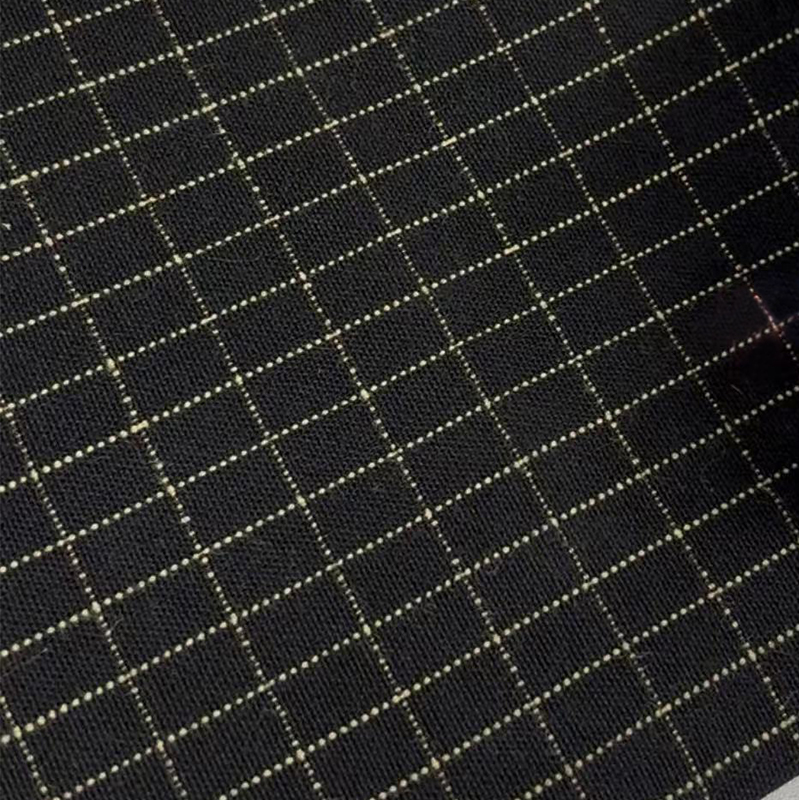
Abrasion resistance is equally critical, particularly for workers who operate in environments with rough surfaces, sharp edges, or repetitive friction. A fireproof fabric with high abrasion resistance maintains integrity even after prolonged wear, preventing exposure to heat, sparks, or hazardous chemicals. The weaving technique, surface finish, and fiber treatment all contribute to abrasion performance. Twill or ripstop weaves, for example, enhance durability by distributing friction over a wider area and preventing small damages from propagating into larger tears.
Impact of Fireproof Treatments
Fireproof coatings or chemical treatments can influence mechanical properties. Some treatments slightly stiffen the fabric, which may increase abrasion resistance but can reduce flexibility. Manufacturers carefully select fireproofing agents that maintain a balance between flame resistance and mechanical performance. Modern treatments are designed to penetrate fibers at a molecular level, preserving both strength and comfort while ensuring long-lasting protective qualities.
Testing and Quality Assurance
To ensure the practical effectiveness of Fireproof Workwear Fabric, both tensile strength and abrasion resistance are rigorously tested during production. Standardized tests, such as the Martindale abrasion test and tensile testing under controlled conditions, provide objective data on fabric performance. These tests help manufacturers certify that the garments will perform safely under demanding working conditions and maintain structural integrity over time.
The mechanical properties of Fireproof Workwear Fabric, particularly tensile strength and abrasion resistance, are essential for producing durable and safe protective garments. By selecting high-performance fibers, optimizing weaving methods, and carefully applying fireproof treatments, manufacturers can deliver fabrics that withstand mechanical stress while maintaining fire-resistant properties. Rigorous testing and quality control ensure that workers receive reliable, long-lasting protection in hazardous environments, combining safety with practical functionality.
LATEST POST
Let’s create something amazing together
contact us
-
 905, Yanxiang Technology Building, Binkang Road, Binjiang District, Hangzhou City, Zhejiang Province, China
 -
 +86-057186797597
 -
 +86-15658877105
 -

- QUICK LINKS
- Home
- About BlackFire
- Our Story
- FAQ
- QUICK LINKS
- Technology
- Application
- Contact Us
- NEWS & INSIGHTS
- Company News
- Industry News
Don't hesitate to contact when you need us!

