


 English
  عربى
عربى  中文简体
中文简体
Balancing Flame Resistance and Comfort in Fireproof Workwear Fabric Design
Functional Fabric Performance
Fireproof Workwear Fabric plays a vital role in industrial safety, especially for workers exposed to open flames, molten metal, or high temperatures. However, while ensuring protection against fire hazards is essential, the wearer’s comfort remains equally important for productivity and long-term use. Traditional flame-resistant materials often prioritize safety at the expense of breathability and softness. Modern textile engineering, however, seeks to achieve a balance between these two properties—creating fabrics that not only resist ignition but also provide thermal comfort and flexibility for the user.
Challenges in Combining Protection and Comfort
The primary challenge lies in the fact that flame-resistant materials are typically dense and tightly woven to prevent oxygen penetration and limit heat transfer. This structural density, while effective for safety, restricts air permeability and moisture evaporation. Moreover, many chemical finishing processes used to impart flame resistance can stiffen fibers or block fabric pores, further reducing comfort. The goal for textile researchers is to retain the protective barrier properties without significantly hindering airflow, flexibility, or moisture management. Achieving this balance requires a nuanced understanding of fiber chemistry and fabric architecture.
Fiber Selection and Material Composition
One effective approach to improving comfort is to select inherently flame-resistant fibers rather than relying solely on chemical treatments. Fibers such as aramid, modacrylic, or flame-resistant viscose possess natural resistance to ignition and maintain softness and flexibility. Blending these fibers with breathable natural materials like cotton can enhance moisture absorption and tactile comfort. The ratio between synthetic and natural components determines both the protection level and the comfort profile. Optimized blends allow the fabric to remain lightweight while still meeting international flame-resistance standards.
Innovations in Weaving and Fabric Structure
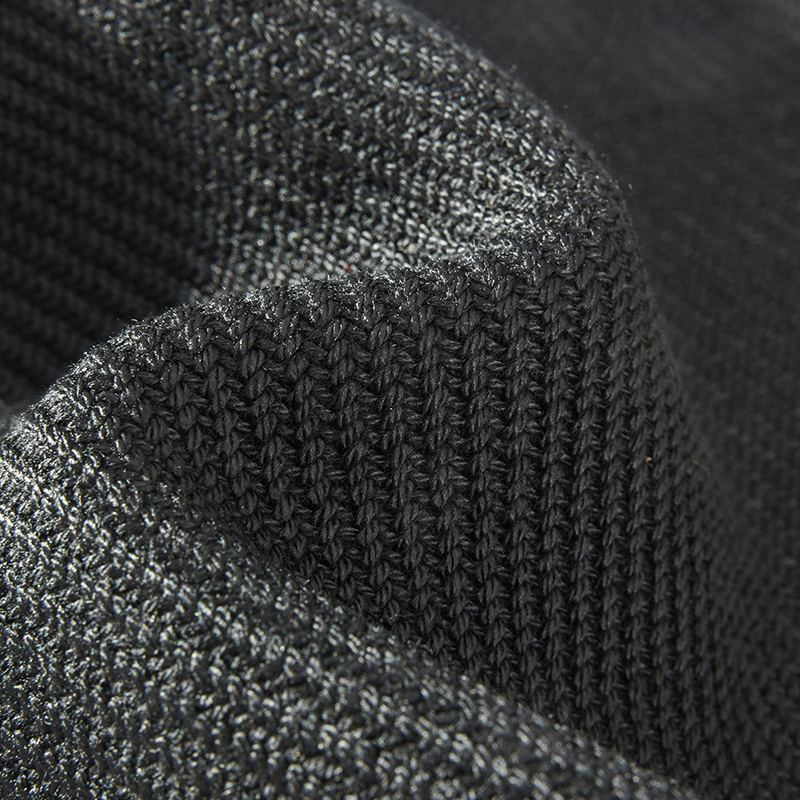
Breathability can also be improved through innovative weaving and knitting techniques. Engineers can manipulate yarn density, fabric thickness, and surface texture to allow micro-level air circulation without compromising protection. Advanced looms can produce dual-layer or micro-porous structures that trap a thin layer of air—acting as thermal insulation while still allowing vapor transmission. These structures ensure that heat buildup is decreased during prolonged wear, maintaining a stable microclimate between the skin and the garment.
Moisture Management and Finishing Technologies
Comfort is closely linked to the body’s ability to regulate temperature through perspiration. To address this, some flame-resistant fabrics incorporate hydrophilic finishing agents that wick moisture away from the skin and disperse it across the fabric surface for faster evaporation. Modern nanotechnology-based coatings allow for this functionality without sealing the pores or reducing flame retardancy. The use of phase-change materials (PCMs) has also emerged as an advanced solution, enabling the fabric to absorb, store, and release heat as needed, thereby stabilizing the wearer’s thermal sensation.
Achieving both flame resistance and comfort in protective fabrics represents a complex but attainable engineering goal. Through careful material selection, advanced textile structures, and innovative finishing techniques, modern fabric technology successfully bridges the gap between safety and wearability. The continued evolution of breathable, flexible, and eco-friendly fire-resistant materials promises to enhance worker protection and well-being, setting new benchmarks in the design of high-performance protective clothing.
LATEST POST
Let’s create something amazing together
contact us
-
 905, Yanxiang Technology Building, Binkang Road, Binjiang District, Hangzhou City, Zhejiang Province, China
 -
 +86-057186797597
 -
 +86-15658877105
 -

- QUICK LINKS
- Home
- About BlackFire
- Our Story
- FAQ
- QUICK LINKS
- Technology
- Application
- Contact Us
- NEWS & INSIGHTS
- Company News
- Industry News
Don't hesitate to contact when you need us!

