


 English
  عربى
عربى  中文简体
中文简体
Effect of Flame Retardant Treatment on Non-Flammable Yarn Strength
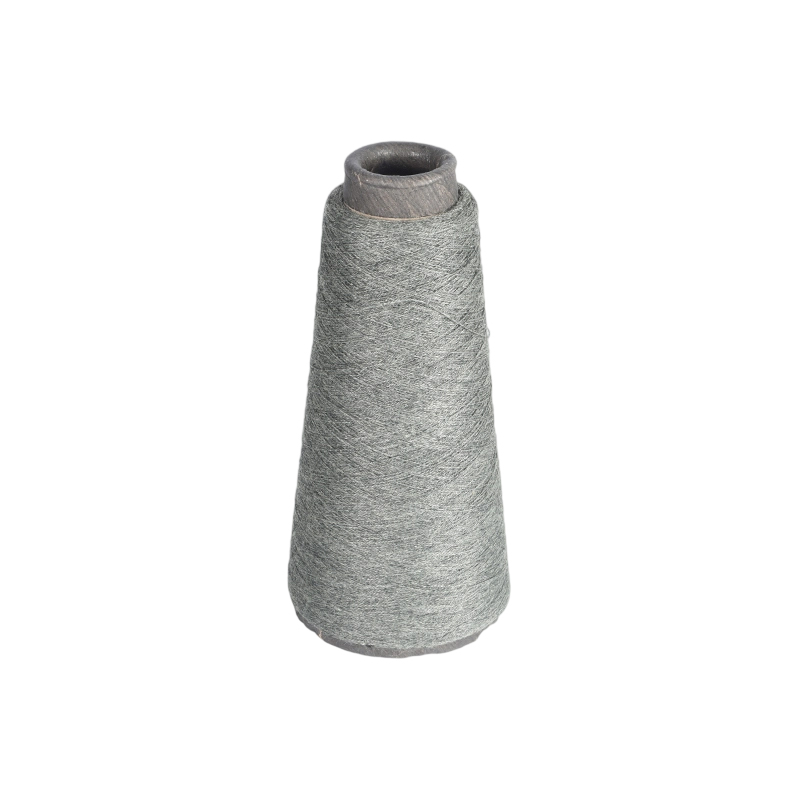
The Non-Flammable Yarn is widely used in protective clothing, industrial textiles, and safety equipment due to its resistance to ignition and slow-burning properties. While flame-retardant treatments enhance fire safety, concerns often arise regarding the mechanical performance of treated fibers. Specifically, questions regarding the impact on tensile strength, elongation, and overall flexibility are critical for manufacturers and end-users alike. Maintaining a suitable balance between fire resistance and mechanical properties ensures that the yarn performs effectively under both safety and functional requirements.
Flame Retardant Treatment Methods
Flame-retardant treatments are applied to yarns using either chemical coatings or the incorporation of flame-resistant additives during fiber production. Chemical treatments may include halogenated compounds, phosphorus-based chemicals, or nitrogen-containing polymers, while inherently flame-resistant fibers can be blended to achieve desired properties. These treatments create a protective barrier that reduces flammability but may interact with the polymer chains of the yarn. The choice of treatment type and concentration significantly influences the extent to which the yarn’s mechanical properties are altered.
Impact on Tensile Strength
Tensile strength is a critical parameter for yarn performance, reflecting its ability to resist breakage under tension. Some flame-retardant chemicals can interfere with the molecular structure of the fibers, potentially reducing intermolecular bonding and lowering overall strength. For example, treatments involving strong oxidizing agents may partially degrade polymer chains, causing a modest decrease in tensile resistance. Manufacturers often conduct controlled tests to determine the suitable concentration of flame retardants that achieves fire resistance without compromising strength. In high-performance applications, yarns may undergo post-treatment reinforcement to restore or maintain mechanical integrity.
Effect on Flexibility and Elasticity
Flexibility and elongation are equally important for yarn usability, especially in textiles that require drape, stretch, or resilience. Certain chemical treatments can make fibers stiffer or more brittle, reducing their ability to bend or elongate without breaking. This effect is often more pronounced in natural fibers such as cotton or wool, where the flame retardant interacts with protein or cellulose structures. Synthetic fibers like polyester or nylon typically retain better elasticity due to their inherent polymer properties. To mitigate stiffness, manufacturers may employ plasticizers, modified flame retardants, or multilayer coatings that preserve flexibility while maintaining flame resistance.
Testing and Quality Control
To ensure that Non-Flammable Yarn meets both safety and performance standards, rigorous testing is conducted after treatment. Tensile tests, elongation measurements, and bending assessments determine the mechanical integrity of treated fibers. In addition, fire resistance tests confirm that the yarn continues to meet regulatory requirements. By optimizing treatment methods and performing quality control, manufacturers can provide yarns that maintain their functional properties while offering effective flame protection.
Flame-retardant treatment is essential for enhancing the safety of Non-Flammable Yarn, but it can influence tensile strength and flexibility depending on the chemical process and fiber type. Careful selection of treatment methods, proper concentration of chemicals, and post-treatment optimization allow manufacturers to decrease adverse effects on mechanical properties. With effective design and testing, yarns can achieve both high fire resistance and reliable performance, meeting the demands of protective textiles, industrial applications, and safety equipment.
LATEST POST
Let’s create something amazing together
contact us
-
 905, Yanxiang Technology Building, Binkang Road, Binjiang District, Hangzhou City, Zhejiang Province, China
 -
 +86-057186797597
 -
 +86-15658877105
 -

- QUICK LINKS
- Home
- About BlackFire
- Our Story
- FAQ
- QUICK LINKS
- Technology
- Application
- Contact Us
- NEWS & INSIGHTS
- Company News
- Industry News
Don't hesitate to contact when you need us!

