


 English
  عربى
عربى  中文简体
中文简体
Water Resistance of Fire Retardant Liquid Treated Materials
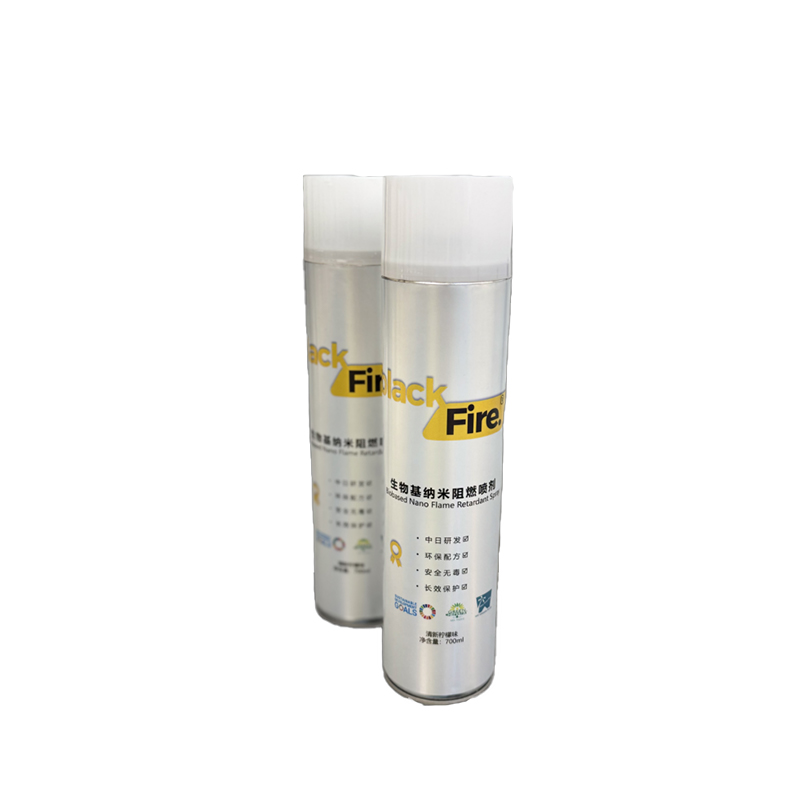
The Fire Retardant Liquid is widely used to enhance the safety of textiles, wood, and other combustible materials by reducing their flammability. While its effectiveness in preventing ignition is well documented, an important consideration is the durability of its flame-retardant properties under exposure to water or repeated cleaning. Understanding how treated materials respond to moisture is critical for applications in clothing, upholstery, industrial fabrics, and other products that may encounter washing, rain, or high-humidity environments.
Mechanism of Flame Retardancy
Fire retardant liquids typically work by forming a chemical or physical barrier on the surface of fibers or materials. This barrier can inhibit heat transfer, dilute combustible gases, or promote char formation, thereby slowing or preventing combustion. The durability of this protective layer depends on the chemical composition of the liquid and the bonding interaction with the substrate. Some formulations form covalent bonds or penetrate deeply into fibers, providing longer-lasting protection, while others remain more superficial and may be more susceptible to being washed away.
Effect of Water Exposure
When materials treated with fire-retardant liquid come into contact with water, either through washing, rain, or high humidity, the retention of flame-retardant properties depends on the water solubility and adhesion of the chemical compounds. Water-soluble additives may leach out during immersion or laundering, reducing effectiveness. In contrast, water-insoluble or cross-linked formulations tend to maintain their protective effect even after multiple washes. Manufacturers often test treated materials under simulated washing conditions to evaluate the degree of performance retention, including repeated wetting and drying cycles.
Impact of Cleaning Processes
Cleaning methods can significantly influence the longevity of fire-retardant performance. Gentle hand washing with mild detergents tends to preserve the chemical barrier better than machine washing with harsh detergents, high temperatures, or strong mechanical agitation. Industrial laundering or dry-cleaning processes may also affect flame retardancy differently, depending on the chemical resistance of the fire retardant. For textile applications, guidelines often specify the number of washing cycles before retreatment may be necessary to ensure compliance with safety standards.
Designing for Durability
To improve water resistance, modern fire-retardant liquids often incorporate hydrophobic additives, cross-linking agents, or nanoparticle-enhanced formulations. These modifications help anchor the flame-retardant chemicals within the fiber structure, reducing leaching during exposure to moisture. Additionally, combining fire-retardant treatment with water-repellent coatings can provide dual protection, enhancing both flame resistance and moisture durability. These design strategies allow treated materials to maintain compliance with fire safety standards while remaining functional for daily use.
Practical Considerations for Users
Users of materials treated with fire-retardant liquid should follow the manufacturer's guidelines for cleaning and storage. Avoiding prolonged soaking, using mild detergents, and air-drying rather than high-heat drying can help preserve flame-retardant properties. Periodic testing or reapplication of fire retardant treatments may be recommended for high-use items, ensuring that materials continue to meet safety requirements over their service life.
Materials treated with Fire Retardant Liquid can retain their flame-resistant properties after water exposure and cleaning if the chemical formulation and application method are designed for durability. Water-insoluble compounds, cross-linked treatments, and hydrophobic additives enhance retention, while proper cleaning practices further extend the lifespan of protection. Understanding the interaction between fire retardant chemicals, moisture, and cleaning processes is essential to ensure long-term safety and effectiveness in real-world applications.
LATEST POST
Let’s create something amazing together
contact us
-
 905, Yanxiang Technology Building, Binkang Road, Binjiang District, Hangzhou City, Zhejiang Province, China
 -
 +86-057186797597
 -
 +86-15658877105
 -

- QUICK LINKS
- Home
- About BlackFire
- Our Story
- FAQ
- QUICK LINKS
- Technology
- Application
- Contact Us
- NEWS & INSIGHTS
- Company News
- Industry News
Don't hesitate to contact when you need us!

