


 English
  عربى
عربى  中文简体
中文简体
Breathability Affects Fireproof Fabric Performance
When it comes to fireproof clothing and protective gear, one of the key factors that can impact performance and comfort is breathability. Fireproof Fabric Manufacturer is designed to protect from high temperatures and flames, but how well does it allow air circulation?
In protective wear, breathability is crucial to avoid heat stress and discomfort, which can affect a worker's performance and safety. Fireproof Fabric often needs to strike a balance between protecting from fire and heat while still allowing for adequate airflow and moisture wicking.
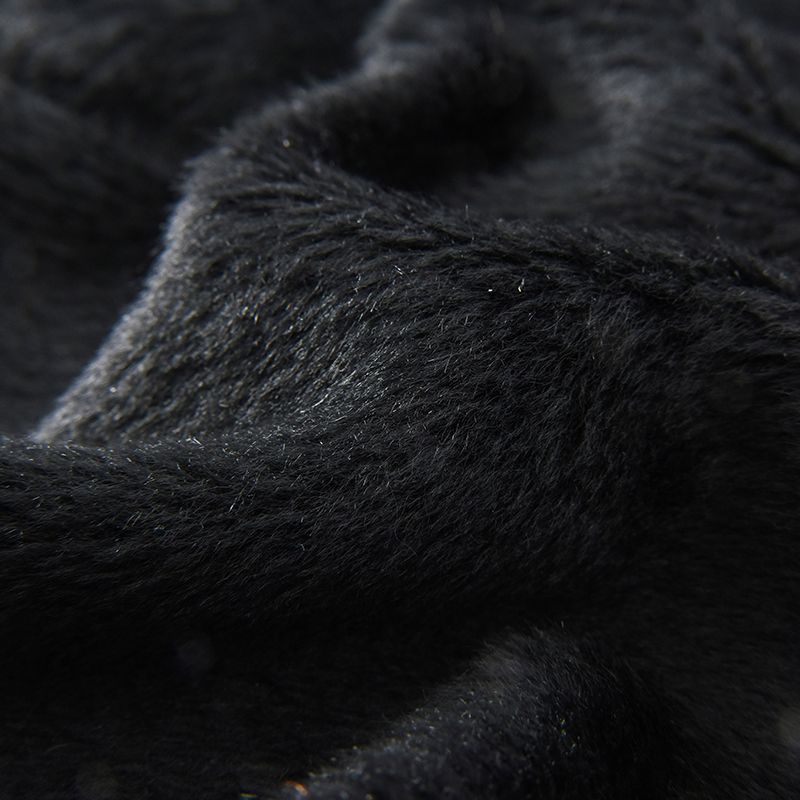
How Fireproof Fabric Manufacturers Achieve Breathability
- Material Selection: Many Fireproof Fabric Manufacturers use advanced materials like aramid, Nomex®, or PBI (polybenzimidazole) for fire resistance. These materials can be engineered to offer varying degrees of breathability without compromising their fireproof qualities. For example, aramid fibers are naturally moisture-wicking, helping to pull sweat away from the skin while maintaining heat resistance.
- Weave and Layering Techniques: The breathability of Fireproof Fabric can also be influenced by the fabric's weave and the number of layers used. Some manufacturers use a tighter weave for better heat protection, while others may design the fabric with a looser weave or incorporate small perforations to improve airflow. Multi-layered designs allow for moisture to be trapped in certain layers while keeping the skin cool in others, ensuring suitable breathability while maintaining fire resistance.
Why Breathability is Important in Fireproof Fabrics
- Comfort and Heat Management: Wearing fireproof gear in high-heat environments can be uncomfortable if the fabric does not allow for adequate ventilation. Without breathability, the buildup of heat and moisture can cause discomfort and heat exhaustion, especially in physically demanding situations. Fireproof Fabric with good breathability helps regulate body temperature, keeping workers cooler and more comfortable.
- Safety: Heat stress is a serious concern in high-risk occupations such as firefighting and industrial labor. Protective clothing with poor breathability can trap sweat, causing the wearer to overheat and reducing their ability to perform tasks effectively. By allowing moisture to escape and air to circulate, breathable Fireproof Fabric helps reduce heat-related risks, enhancing overall safety during work.
Balancing Fire Resistance and Breathability
- Performance Under Bad Conditions: While breathability is essential, it should not come at the cost of fire protection. Fireproof Fabric Manufacturers carefully balance the two properties, ensuring that fabrics offer enough ventilation to keep the wearer comfortable without compromising their resistance to heat and flames. This is often achieved through the use of specialized membranes, coatings, or composite materials that provide enhanced airflow while maintaining robust fire resistance.
- Technological Advancements: Recent innovations in fabric technology have led to the development of breathable fireproof fabrics that do not sacrifice safety. Some fabrics now incorporate advanced coatings or finishes that enhance both heat protection and airflow. These materials can perform well under bad conditions, providing both comfort and suitable fire resistance for extended periods.
Breathability is a crucial consideration for Fireproof Fabric, especially in environments where workers are exposed to high heat and flames. Manufacturers are increasingly focused on creating fabrics that not only protect against fire but also allow for airflow and moisture management. By improving breathability, Fireproof Fabric Manufacturers can ensure that protective gear remains both comfortable and functional, keeping workers safe and at ease during physically demanding tasks. Balancing fire resistance with breathability is essential for achieving suitable performance in protective clothing.
LATEST POST
Let’s create something amazing together
contact us
-
 905, Yanxiang Technology Building, Binkang Road, Binjiang District, Hangzhou City, Zhejiang Province, China
 -
 +86-057186797597
 -
 +86-15658877105
 -

- QUICK LINKS
- Home
- About BlackFire
- Our Story
- FAQ
- QUICK LINKS
- Technology
- Application
- Contact Us
- NEWS & INSIGHTS
- Company News
- Industry News
Don't hesitate to contact when you need us!

