


 English
  عربى
عربى  中文简体
中文简体
How the Thickness of Firefighting Suit Fabric Affects Fire Protection
The effectiveness of Firefighting Suit Fabric in protecting firefighters from bad heat and flames is a critical factor in ensuring their safety. One of the key characteristics that influences the performance of this fabric is its thickness.
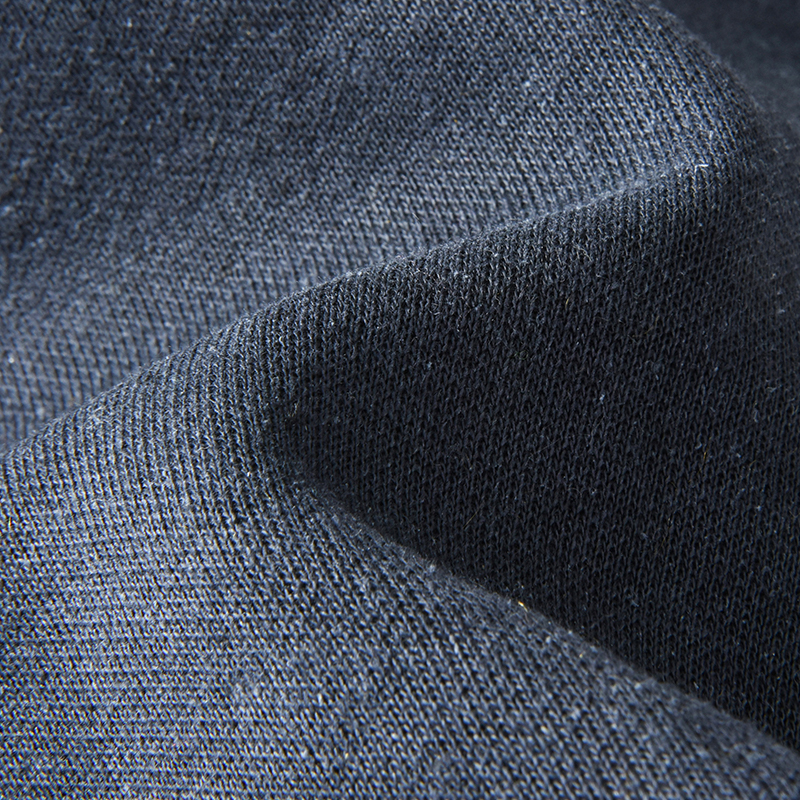
The Role of Fabric Thickness in Fire Protection
- Insulation Properties: The primary function of Firefighting Suit Fabric is to provide insulation, preventing heat from reaching the firefighter's body. Thicker fabric generally offers better insulation, as it has more material to absorb and dissipate heat. The additional layers of fabric trap air, creating a barrier between the firefighter and the external environment. This helps reduce the risk of burns and heat stress, especially when exposed to high temperatures or direct flame contact.
- Heat Resistance: Thicker fabrics often contain more heat-resistant fibers, such as aramid, Kevlar®, or PBI (polybenzimidazole). These materials provide enhanced protection by preventing heat transfer through the fabric. As the thickness increases, the overall heat resistance of the suit also improves, allowing firefighters to withstand bad temperatures for longer periods of time without sustaining injuries.
Balancing Thickness with Mobility and Comfort
- Weight and Flexibility: While thicker Firefighting Suit Fabric offers good fire protection, it can also make the suit heavier and less flexible. Firefighters need to move quickly and efficiently in dangerous situations, so excessive thickness may reduce their agility and comfort. Manufacturers strive to find a balance, using multi-layer fabrics that provide suitable protection without compromising on flexibility and mobility.
- Breathability: Thicker fabric can also impact breathability, as it may trap more heat and moisture close to the body. This can cause discomfort and potential heat exhaustion if the fabric doesn’t allow for proper ventilation. Modern firefighting suits often incorporate advanced moisture-wicking and breathable layers to ensure that firefighters remain cool and dry, even with thicker protective fabrics.
Firefighting Suit Fabric: Layering for Enhanced Protection
- Multiple Layers for Better Performance: In many cases, Firefighting Suit Fabric consists of multiple layers, with each layer serving a specific purpose. The outer layer is typically designed for heat resistance and abrasion protection, while the inner layers provide comfort and moisture management. The combined thickness of these layers contributes to the overall fire protection capabilities. Each layer is engineered to work together to provide the possible performance, ensuring that the firefighter is protected from both heat and physical hazards.
- Thermal Barrier Layer: The thickness of the thermal barrier layer plays a significant role in insulating the firefighter from intense heat. A thicker thermal barrier provides more effective heat protection, but it must be balanced with the need for the firefighter to move quickly and perform tasks without being encumbered by excessive weight.
The thickness of Firefighting Suit Fabric is a crucial factor in determining its fire protection performance. Thicker fabrics offer better insulation and heat resistance, but they must be balanced with considerations for mobility, comfort, and breathability. Modern firefighting suits incorporate multiple layers of fabric, combining the benefits of thickness with advanced materials to provide possible protection. Ensure that firefighters can remain safe and effective in high-risk environments without sacrificing their ability to move and perform their duties.
LATEST POST
Let’s create something amazing together
contact us
-
 905, Yanxiang Technology Building, Binkang Road, Binjiang District, Hangzhou City, Zhejiang Province, China
 -
 +86-057186797597
 -
 +86-15658877105
 -

- QUICK LINKS
- Home
- About BlackFire
- Our Story
- FAQ
- QUICK LINKS
- Technology
- Application
- Contact Us
- NEWS & INSIGHTS
- Company News
- Industry News
Don't hesitate to contact when you need us!

