


 English
  عربى
عربى  中文简体
中文简体
How Does Fireproof Workwear Fabric Keep Workers Safe
Protective Textiles in Work Environments
Walk into a place where heat is part of the job, and clothing feels different right away. It is chosen with more care. Fireproof Workwear Fabric is often used there, not because it stops danger completely, but because it slows things down when heat appears.
In real work scenes, heat does not always stay constant. It may come suddenly, then disappear just as fast. In those short moments, the way fabric reacts matters more than how it looks. A material that holds together for a little longer can give someone time to step back or adjust.
People who work around these materials usually pay attention to how they behave after repeated use, not just once. In some production circles linked with material handling and equipment, such as those connected to Zhejiang Taizhou BlackFire Technology Co., Ltd. , that everyday behavior is often discussed more than extreme cases.
Fireproof Fabric is better seen as a buffer. It stands in between, slowing the effect of heat rather than trying to block it completely.
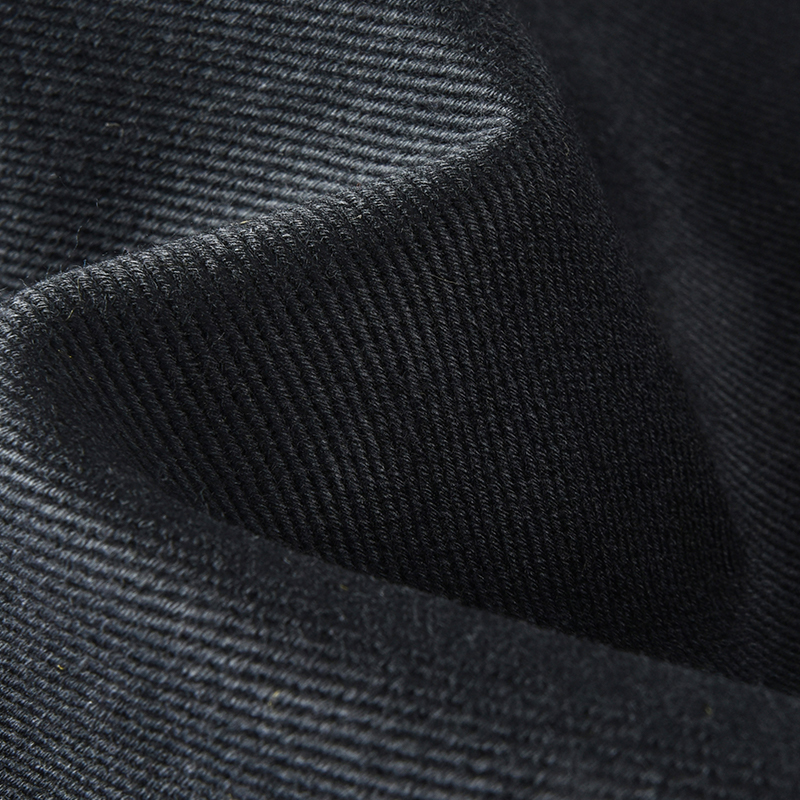
Basic Characteristics of Fireproof Workwear Fabric
At first touch, Fireproof Workwear Fabric may feel similar to other work textiles. The difference shows when heat comes into contact with it. The change is not sudden. It happens in a more controlled way.
Instead of reacting quickly, the surface tends to hold its shape. It may darken or stiffen slightly, but it does not collapse right away. That small delay is part of its purpose.
People often notice a few simple things during use:
- it does not catch fire easily in brief contact
- heat does not move across the surface too quickly
- the fabric keeps its form for a while
- the reaction looks steady rather than sudden
At the same time, it still needs to be worn for long hours. If it feels too stiff or heavy, it becomes difficult to use in daily work. So there is always a quiet balance between protection and comfort.
Fireproof Fabric is shaped with that balance in mind.
How Fireproof Fabric Responds to Heat and Flame
When heat touches Fireproof Fabric, the change is usually gradual. It does not burst into flame. Instead, the surface reacts first, taking in the heat and slowing its spread.
If the heat continues, the material changes step by step. It does not all happen at once. That slower reaction can make a difference during work.
Some common observations:
- the surface may darken before anything else happens
- flame does not travel quickly across the fabric
- heat moves inward at a slower pace
- there is no sudden melting or dripping
When the heat source is removed, the fabric stays in place. It may not look the same as before, but it does not fall apart. That short period of stability is often what people rely on.
Role of Fiber Structure in Fireproof Performance
Inside Fireproof Fabric, there is more going on than what can be seen. The way fibers are arranged affects how the material reacts under heat.
Some fibers are placed tightly so they hold together. Others create small spaces that slow down heat movement. These spaces are not visible, but they play a role.
A few points often come up during handling:
- fibers do not separate quickly under heat
- small gaps help reduce direct heat flow
- the structure holds its form instead of breaking apart
- changes happen slowly rather than all at once
This does not mean heat cannot pass through. It just means the process is slower and easier to manage.
Fireproof Fabric depends on this internal structure to guide how it reacts.
Layer Design and Heat Insulation Mechanism
Many types of Fireproof Fabric work in layers, even if they look simple from the outside. Each layer has its own small task.
The outer layer faces heat first. It takes the impact and slows it down. Under that, other layers help reduce how quickly heat moves further in.
Air between layers also matters. These small pockets do not stop heat, but they slow it.
| Layer | Role | What Happens |
|---|---|---|
| Outer | Meets heat first | Slows direct contact |
| Middle | Holds space | Reduces heat movement |
| Inner | Near the body | Limits heat reaching skin |
Nothing here works alone. The effect comes from all layers working together quietly.
Comfort Considerations in Protective Workwear
Even in tough work settings, comfort still matters. Fireproof Workwear needs to allow movement. People bend, reach, and walk throughout the day.
If the material is too stiff, it gets in the way. If it is too heavy, it adds strain over time. So the fabric is shaped to move along with the body.
Things people often notice while wearing it:
- it allows some air to pass through
- it does not trap moisture for too long
- it bends instead of resisting movement
- the weight feels spread out, not focused in one place
Comfort does not replace protection, but without it, the clothing becomes harder to use.
Durability and Wear Resistance in Daily Use
Workwear is used again and again. It rubs against surfaces, folds, stretches, and goes through cleaning. Fireproof Workwear needs to handle all of that without losing its basic function.
Over time, small changes can appear. The surface may feel different, or the edges may soften. What matters is whether it still performs as expected.
In daily use, people tend to look for:
- fabric that does not wear out too quickly
- structure that stays steady after movement
- material that holds together after cleaning
- edges that do not fray easily
Durability here is not about staying unchanged. It is about staying reliable during normal use.
Environmental Influence on Fabric Performance
The place where the fabric is used or stored can also affect how it behaves. Air conditions, dust, and temperature all play a part.
For example:
- humid air can make the fabric feel softer
- dry air can make it feel slightly firmer
- dust can settle on the surface over time
- stable storage helps keep the material in good condition
These changes are usually small, but they can be noticed during use.
Keeping the fabric in a steady environment helps it perform more consistently when needed.
Manufacturing Process of Fireproof Workwear Fabric
The way Fireproof Workwear Fabric is made shapes how it behaves later. It begins with selecting fibers that react to heat in a slower, controlled way.
These fibers are then formed into fabric through careful steps. The aim is to keep the structure even, so heat does not move unevenly across the material.
Sometimes the surface is treated to support this behavior. The goal is not to block heat, but to guide how the fabric reacts when exposed.
During production, attention often goes to:
- preparing fibers before they are formed
- keeping the structure balanced across the fabric
- maintaining a steady surface condition
- checking how the material reacts under heat
All these steps come together quietly. The result is a fabric that responds in a more controlled way when used in real conditions.
Comparison Between Fireproof Fabric and Standard Workwear Materials
When placed side by side, Fireproof Fabric and ordinary work textiles may look quite similar at first. The difference shows when heat comes into the picture.
Standard materials tend to react faster. They may shrink, melt, or catch flame more easily. The change often happens quickly, leaving little time to respond. Fireproof Fabric behaves in a slower, more controlled way.
In daily use, people often notice these contrasts:
- ordinary fabric changes shape quickly under heat
- Fireproof Fabric holds together for a longer moment
- flame can spread faster on standard material
- protective fabric limits how quickly it travels
This does not mean one replaces all others in every situation. It simply shows how different materials respond under the same condition.
Application Areas for Fireproof Workwear Fabric
Fireproof Workwear Fabric appears in places where heat is part of the working environment. These settings may vary, but they share one thing: the chance of contact with high temperature or flame.
In practice, the fabric is often used in:
- workshops where sparks or hot surfaces are common
- maintenance tasks involving heated equipment
- environments where brief flame exposure may occur
- situations where protective layers are part of daily clothing
The use is not limited to one type of task. It follows the need for a buffer between the body and heat.
Maintenance and Care for Protective Fabrics
Keeping Fireproof Workwear Fabric in steady condition requires simple care. It does not need complex treatment, but it does need attention.
Cleaning is part of regular use. If handled gently, the fabric can keep its structure for a longer time. Rough handling may affect how it behaves later.
A few everyday care habits include:
- washing in a way that does not damage the surface
- avoiding strong actions that may weaken the structure
- drying without excessive heat
- storing in a clean and dry place
People also check for small signs of wear, such as thinning areas or surface changes. These signs help decide whether the fabric is still suitable for use.
Fireproof Fabric works best when it is kept in a stable condition between uses.
Safety Standards and Fabric Testing Awareness
In work settings, people often rely on simple checks before wearing protective clothing. Even without formal testing steps in daily use, there are ways to observe whether the fabric is still in usable condition.
These checks are usually practical:
- looking at the surface for visible damage
- feeling whether the fabric has become too thin
- checking seams and edges for stability
- noticing any unusual stiffness or softness
Such observations do not replace formal evaluation, but they help in everyday decisions.
Fireproof Workwear Fabric is trusted not only for how it is made, but also for how it is maintained and checked during use.
Challenges in Balancing Protection and Comfort
There is always a quiet balance between protection and ease of wear. Fireproof Workwear needs to resist heat, but it also needs to move with the body.
If protection is increased too much, the fabric may become stiff or heavy. If comfort is increased too much, the protective effect may become weaker.
In real work conditions, this balance shows in small details:
- fabric that bends without losing structure
- material that allows some air movement
- weight that does not strain the wearer over time
- surface that does not feel too rigid
Design often tries to stay in the middle, where both sides are acceptable for daily use.
Future Direction of Fireproof Workwear Fabric Development
Over time, changes in work environments bring new expectations for protective clothing. Fireproof Workwear continues to adjust in small ways rather than sudden shifts.
The direction often moves toward:
- materials that feel lighter while keeping stability
- structures that respond more evenly to heat
- fabrics that adapt to different work conditions
- better balance between flexibility and protection
These changes are gradual. They come from everyday use and feedback rather than single large changes.
Fireproof Fabric keeps evolving quietly as work conditions continue to shift.
Fireproof Workwear Fabric plays a simple but steady role in work environments where heat is present. It does not remove risk, but it changes how that risk reaches the body.
The fabric works by slowing down reactions. It holds together, reduces heat movement, and gives the wearer time to respond. This approach fits into daily work without drawing much attention to itself.
Choosing and using Fireproof Fabric is not only about the material itself. It also depends on how it is handled, maintained, and worn over time.
In many workplaces, safety comes from a combination of careful habits and reliable materials. Fireproof Workwear Fabric remains part of that balance, supporting workers in a quiet and practical way.
LATEST POST
Let’s create something amazing together
contact us
-
 905, Yanxiang Technology Building, Binkang Road, Binjiang District, Hangzhou City, Zhejiang Province, China
 -
 +86-057186797597
 -
 +86-15658877105
 -

- QUICK LINKS
- Home
- About BlackFire
- Our Story
- FAQ
- QUICK LINKS
- Technology
- Application
- Contact Us
- NEWS & INSIGHTS
- Company News
- Industry News
Don't hesitate to contact when you need us!

