


 English
  عربى
عربى  中文简体
中文简体
How Does Raw Material Selection Work In Non Flammable Factory
Raw Material Selection Process in a Non-Flammable Factory
Working with materials inside a Non-Flammable Factory is less about a single decision and more about a chain of small checks that happen before anything reaches the production line. Raw materials are not treated as ready-to-use inputs just because they arrive on site. They are slowly sorted, observed, and tested in a way that tries to avoid surprises later during processing.
In this kind of environment, Zhejiang Taizhou BlackFire Technology Co., Ltd. is sometimes mentioned when people refer to structured industrial setups where material handling is closely controlled and closely linked with fire-resistant production needs.
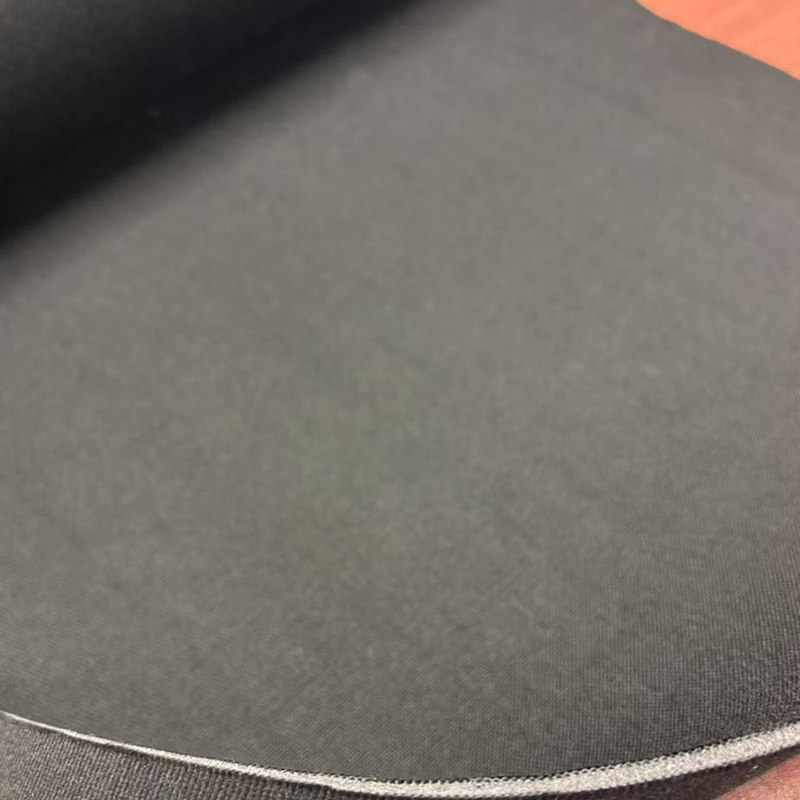
Material Requirements in a Non-Flammable Factory
Inside a Non-Flammable Factory, raw materials are expected to behave in a steady way. That sounds simple, but in practice it means a lot of small conditions need to be met at the same time. Materials should not change too easily under pressure, and they should not react in unpredictable ways when combined with other inputs.
Before anything is accepted for use, it is usually checked for:
- whether the structure feels consistent from batch to batch
- how it responds when pressed or bent slightly
- whether the surface stays stable during handling
- whether it can be mixed with other materials without visible changes
There is also a practical side to it. Even if a material looks fine, if it behaves differently each time, it is usually set aside. Stability matters more than appearance in this kind of setting.
Main Types of Raw Materials Used
Raw materials in a Non-Flammable Factory are not all treated the same. They are usually grouped based on how they behave during processing rather than just what they are made from.
Fiber-based materials are often used where flexibility is needed. They can bend or adjust shape, but still need to keep structure when processed. If the fiber quality is uneven, it can cause problems later when layers are formed.
Mineral-based materials feel more stable. They are usually used when the structure needs to stay firm under different conditions. These materials don't change easily, which makes them useful in combinations.
Composite materials are a mix of different elements. They are used when a single material cannot provide both flexibility and stability at the same time. Their behavior depends heavily on how the internal layers are arranged.
There are also surface-treated materials. These are adjusted on the outside so they interact differently during processing. Sometimes the goal is smoother handling, sometimes it is better bonding with other materials.
Early Screening Before Production Use
Before raw materials enter the production flow in a Non-Flammable Factory, they go through a screening stage. This step is less about formal testing and more about checking whether anything looks or feels unusual.
Typical checks include simple steps like:
- feeling the texture to see if it is even or patchy
- looking at surface color consistency under normal light
- pressing lightly to see if the structure responds evenly
- separating materials that behave differently even if they look similar
At this point, materials are also stored in controlled conditions. If storage is not stable, even good raw materials can slowly change in texture or behavior, which later affects production results.
Basic Material Behavior and Compatibility
One thing that often causes issues in a Non-Flammable Factory is how different materials interact once they are combined. A material might perform well alone but behave differently when mixed with another type.
For example:
- fiber materials may soften or tighten depending on what they are paired with
- mineral materials can change how flexible the overall mix feels
- coatings can affect how fast or slow materials respond during processing
These interactions are usually not obvious at first glance. They show up during small test combinations, which is why early mixing trials are important before full use.
Fire-Resistant Fabric in Material Structure
In many production systems, fabric-based materials are part of the structure. A Fireproof Fabric Manufacturer often provides fabric layers that are not only used on the surface but also inside layered material combinations.
In a Non-Flammable Factory, fire-resistant fabric is usually checked for how it behaves under pressure and movement, not just how it looks. It needs to stay stable when combined with other materials, especially when it is part of a layered structure.
Some key points usually considered include:
- whether the fabric keeps shape after repeated handling
- how it connects with coatings or fiber layers
- whether it changes texture during processing steps
- how it performs when placed between different material types
Fabric is rarely used alone in these systems. It usually works as a connecting layer that helps other materials stay in position during processing.
Early Processing Response of Materials
Once materials pass basic checks, they start to show how they behave under real working conditions. In a Non-Flammable Factory, this stage is important because it often reveals details that are not visible during initial inspection.
Materials may respond differently when:
- pressure is applied repeatedly
- they move through processing equipment
- they are combined with binding materials
- they pass through slightly changing temperature zones
Some materials remain stable throughout, while others slowly shift in texture or shape. These differences are recorded and used to decide whether adjustments are needed before full production use.
A Fireproof Fabric Manufacturer may also adjust fabric structure based on these observations, especially when fabric is part of a larger layered system.
Observation During Selection
Material selection does not stop after the first screening. In a Non-Flammable Factory, observation continues even after materials are already accepted for trial use.
Workers usually keep an eye on:
- whether batches behave the same way over time
- if surface quality changes after short use cycles
- how materials react after repeated movement
- whether any small inconsistencies appear during handling
These small signals often decide whether a material stays in use or needs adjustment. The process is not rushed, since small differences can affect the whole production flow later.
Storage and Handling of Selected Materials
Once raw materials pass the early checks inside a Non-Flammable Factory, they do not go straight into full production. They are placed into storage first, and this stage quietly affects how stable they remain later.
Storage is not just about putting materials on shelves. It is more about keeping them in a condition where their physical behavior does not slowly drift. Even materials that looked stable during screening can shift slightly if the environment changes.
In daily handling, a few simple habits are usually followed:
- materials of different types are kept separate to avoid unwanted contact
- items that react differently to humidity are not stored in the same area
- stacks are arranged in a way that avoids pressure marks on lower layers
- older batches are used first to reduce long storage effects
In a Non-Flammable Factory, even small storage differences can later show up during processing, so attention is often given to how materials are moved in and out of storage rather than only how they are used on the line.
Safety-Oriented Thinking in Material Selection
Material selection in a Non-Flammable Factory is often shaped by a simple idea: reduce unexpected behavior during processing. This does not mean removing all flexibility, but rather keeping materials predictable when they are under stress.
Instead of focusing only on appearance or basic function, attention is placed on how materials behave when conditions change slightly. For example, a material that looks stable at room temperature might respond differently when pressure is added or when it is combined with another layer.
This is where experience plays a quiet role. Over time, patterns are noticed, such as:
- certain fiber structures holding shape more reliably than others
- some coatings reacting faster when layered
- mixed materials separating slightly under repeated movement
These observations are not always dramatic, but they help guide future selection so the production flow remains smoother.
A Fireproof Fabric Manufacturer is often part of this thinking process when fabric layers are involved, since fabric behavior can influence how the whole material system responds during shaping and pressing stages.
Integration of Raw Materials into Production Flow
After storage and early checks, selected materials move into actual production use. In a Non-Flammable Factory, this step is less about starting work and more about fitting materials into an existing system without disrupting it.
Raw materials are usually introduced gradually. Small batches are tested first, then adjusted if any mismatch appears between expected and real behavior. This avoids large-scale disruption if something does not behave as planned.
During integration, several things are quietly monitored:
- how smoothly materials move through machines
- whether they keep their structure during shaping
- how well different layers hold together
- whether adjustments are needed in machine settings
The goal is not to force materials into a fixed process, but to match the process to what the materials can actually handle.
Challenges in Material Selection
Working with raw materials in a Non-Flammable Factory is not always straightforward. One of the main challenges is inconsistency. Even materials from similar sources can behave slightly differently depending on small variations in composition or handling history.
Another challenge comes from interaction effects. A material may behave well alone but shift once it is combined with another type. These changes are not always visible during early screening, which means they only appear later during production trials.
Handling conditions also matter. Materials that are sensitive to pressure or humidity may change shape or texture if not stored carefully. This creates additional steps in checking and sorting before use.
A Fireproof Fabric Manufacturer may also face similar challenges when fabric is combined with other layers, especially when multiple material types are expected to work together in a stable way.
Gradual Shift in Material Selection Approach
Over time, material selection in a Non-Flammable Factory has slowly moved toward more layered thinking. Instead of treating each material as a separate input, there is more attention on how they behave as part of a system.
This shift can be seen in a few ways:
- more combinations tested in small-scale trials before full use
- closer attention to how materials interact under movement
- increased focus on long-term stability rather than short-term appearance
- gradual replacement of single-material reliance with mixed structures
These changes do not happen quickly. They come from repeated observation of how small differences in raw materials can affect the final result.
Connection Between Material Behavior and Production Flow
In the end, raw material selection inside a Non-Flammable Factory is closely linked with how production flows from start to finish. If materials behave steadily, the production process usually stays smooth. If they shift unexpectedly, adjustments are needed along the way.
This connection is not always visible at the beginning. It becomes clearer only after materials pass through several stages of handling, mixing, and shaping. That is why selection is treated as an ongoing process rather than a single decision point.
A Fireproof Fabric Manufacturer also fits into this flow when fabric-based components are involved, since fabric performance often influences how stable the combined material system becomes during real use.
LATEST POST
Let’s create something amazing together
contact us
-
 905, Yanxiang Technology Building, Binkang Road, Binjiang District, Hangzhou City, Zhejiang Province, China
 -
 +86-057186797597
 -
 +86-15658877105
 -

- QUICK LINKS
- Home
- About BlackFire
- Our Story
- FAQ
- QUICK LINKS
- Technology
- Application
- Contact Us
- NEWS & INSIGHTS
- Company News
- Industry News
Don't hesitate to contact when you need us!

