


 English
  عربى
عربى  中文简体
中文简体
Chemical Structure and Flame Resistance Mechanisms of Non-Flammable Yarn
Non-flammable yarn has become an essential material in industries where safety and durability are paramount. Its ability to resist ignition and prevent flame spread makes it suitable for use in protective clothing, public facilities, transportation interiors, and industrial settings. The effectiveness of Non-Flammable Yarn is closely related to its internal chemical composition and the underlying flame-retardant mechanisms that determine how it reacts when exposed to heat or fire. Understanding these principles helps manufacturers improve textile safety and performance while meeting increasingly strict fire protection standards.
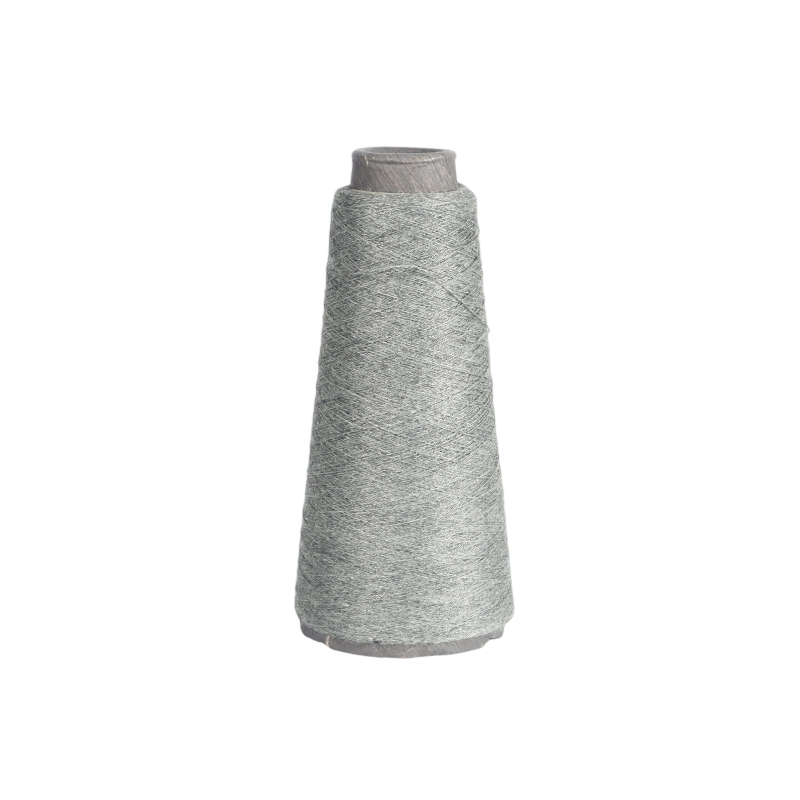
Chemical Composition of Flame-Resistant Fibers
The chemical composition of this type of yarn determines its resistance to combustion and high temperatures. Some yarns are made from inherently flame-retardant fibers such as aramids, polyimides, or modacrylics. These materials are engineered at the molecular level to resist thermal decomposition and to maintain their structural integrity under high heat. In other cases, conventional fibers like cotton, polyester, or rayon are treated with special flame-retardant agents. These agents, often based on phosphorus, nitrogen, or boron chemistry, react with the fiber to create a barrier that delays ignition and prevents flame propagation.
Flame Retardant Additives and Their Roles
In treated yarns, flame-retardant additives play a crucial role in improving the material’s performance. Phosphorus-based compounds work by promoting char formation on the fiber surface, creating a carbonized layer that shields the material from further oxidation. Nitrogen-containing additives enhance this effect by releasing inert gases during heating, which dilute oxygen around the fiber. Some inorganic compounds, such as antimony trioxide, act synergistically with halogenated compounds to interfere with the combustion process at the molecular level. The selection and concentration of these additives directly influence how effectively the yarn resists burning without compromising softness, flexibility, or color retention.
Physical and Chemical Mechanisms of Flame Resistance
The flame-retardant behavior of such yarns can be explained through several mechanisms. One of the common mechanisms is the condensed-phase mechanism, where the material forms a thermally stable char layer that acts as a physical barrier against heat and oxygen. Another is the gas-phase mechanism, in which flame retardants release chemicals that interrupt the chain reactions sustaining the flame. A third mechanism, endothermic decomposition, involves the absorption of heat energy as the retardant decomposes, effectively lowering the temperature near the fiber’s surface. Together, these processes ensure that the material resists ignition and burns very slowly if at all.
Balancing Durability and Environmental Considerations
Modern development of flame-retardant textiles aims to balance high fire resistance with environmental and health safety. Traditional halogenated flame retardants, although effective, can produce toxic byproducts during combustion. Consequently, research has shifted toward halogen-free systems such as phosphorus-nitrogen synergistic formulations and bio-based retardants derived from renewable sources. At the same time, textile engineers strive to maintain the physical properties of the yarn, ensuring that flexibility, strength, and dyeing ability are not compromised by the flame-retardant treatment.
Science Behind Safe and Reliable Materials
The performance of Non-Flammable Yarn depends on a sophisticated combination of chemical design and physical processes that work together to prevent ignition and flame spread. The incorporation of inherently flame-retardant polymers or carefully chosen additives enhances both the thermal stability and safety of the material. As research continues, new eco-friendly chemical systems and advanced fiber technologies are expected to further improve performance without compromising comfort or sustainability. Understanding the composition and mechanisms of these yarns not only advances material science but also ensures that human safety remains a central goal in textile innovation.
LATEST POST
Let’s create something amazing together
contact us
-
 905, Yanxiang Technology Building, Binkang Road, Binjiang District, Hangzhou City, Zhejiang Province, China
 -
 +86-057186797597
 -
 +86-15658877105
 -

- QUICK LINKS
- Home
- About BlackFire
- Our Story
- FAQ
- QUICK LINKS
- Technology
- Application
- Contact Us
- NEWS & INSIGHTS
- Company News
- Industry News
Don't hesitate to contact when you need us!

