


 English
  عربى
عربى  中文简体
中文简体
Heat Resistance of Non-Flammable Yarn in High Temperatures
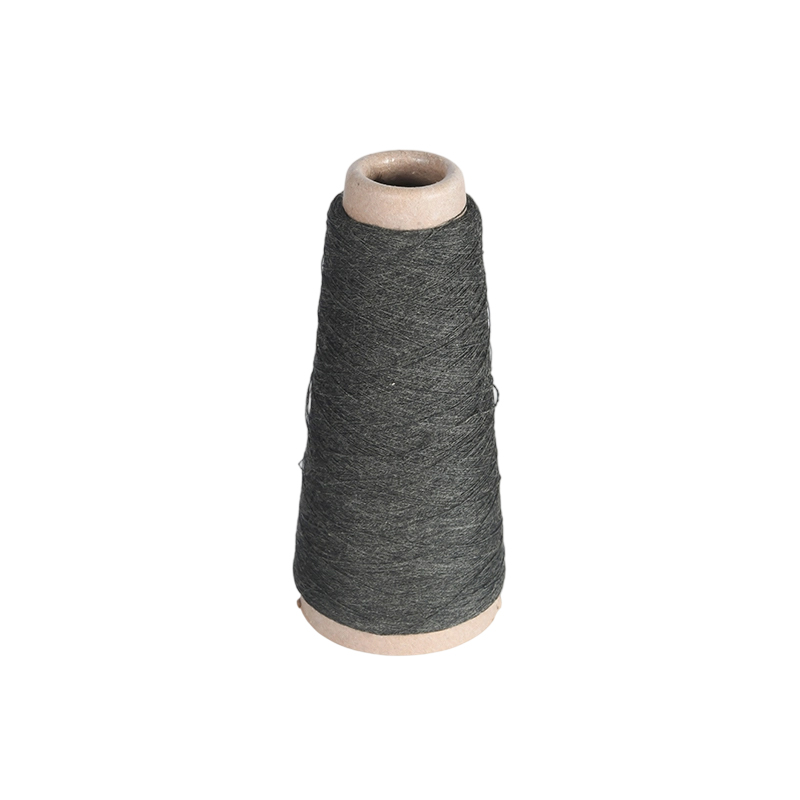
Non-Flammable Yarn is widely recognized for its ability to resist ignition and slow down the spread of flames. Beyond its fire-retardant properties, the performance of this specialized yarn under high-temperature conditions is crucial for applications in industrial, protective, and high-performance textiles. Understanding the heat resistance of Non-Flammable Yarn helps manufacturers and end-users select the right materials for environments where elevated temperatures and thermal stress are common.
Material Composition and Thermal Properties
The heat resistance of Non-Flammable Yarn largely depends on the type of fibers and chemical treatments used in its production. Many of these yarns are composed of inherently flame-retardant synthetic fibers, naturally heat-resistant fibers, or treated natural fibers. High-temperature resistance is achieved by maintaining molecular stability, which prevents decomposition, melting, or combustion at elevated temperatures. The fibers are designed to withstand prolonged exposure to heat without losing tensile strength, flexibility, or structural integrity, which is essential for applications in protective clothing, industrial fabrics, and specialized insulation.
Testing Heat Resistance Performance
To evaluate the heat resistance of Non-Flammable Yarn, standardized testing methods are employed. Thermal gravimetric analysis (TGA) measures weight loss as a function of temperature, providing insights into decomposition points. Differential scanning calorimetry (DSC) helps determine melting or softening temperatures, while flame exposure tests assess the yarn’s ability to resist ignition and maintain structural integrity. Results from these tests indicate whether the yarn can perform reliably under high-temperature conditions, ensuring safety and durability in demanding applications.
Applications Requiring High-Temperature Performance
Non-Flammable Yarn is essential in industries where exposure to high heat is unavoidable. In protective clothing for firefighters, industrial workers, and laboratory personnel, the yarn must maintain its strength and resist ignition even under extreme temperatures. In aerospace and automotive sectors, heat-resistant yarns are used in insulation panels, seat fabrics, and interior components that must endure high thermal loads. The consistent performance of Non-Flammable Yarn in these environments ensures both safety and long-term durability of the products in which it is used.
Advantages of Heat-Resistant Non-Flammable Yarn
- Safety Enhancement: The yarn maintains its structure under high heat, reducing fire hazards and protecting end-users.
- Durability: Prolonged heat exposure does not compromise mechanical strength or elasticity, ensuring long-lasting performance.
- Versatility: Suitable for a wide range of applications, from protective apparel to industrial and household textiles.
- Compliance with Standards: High-temperature resistant yarns help manufacturers meet fire safety and thermal performance regulations.
Factors Influencing Heat Resistance
Several factors affect the performance of Non-Flammable Yarn under elevated temperatures. Fiber composition, diameter, twist, and the presence of chemical flame retardants all contribute to thermal stability. The method of yarn production, including spinning and finishing processes, can also impact heat resistance. Proper storage and handling before use are essential to maintain these properties, as exposure to moisture, UV light, or chemicals may degrade performance over time.
Ensuring Reliability in High-Temperature Applications
Non-flammable yarn demonstrates critical advantages in high-temperature environments due to its inherent and enhanced heat resistance. By carefully selecting fibers, employing chemical treatments, and adhering to rigorous testing protocols, manufacturers can ensure that this yarn performs reliably under thermal stress. Its ability to maintain structural integrity, resist ignition, and meet safety standards makes it an indispensable material in protective textiles, industrial applications, and other environments where elevated temperatures are common. Understanding the thermal performance of Non-Flammable Yarn enables designers and engineers to create safer, more durable, and compliant products for a wide range of industries.
LATEST POST
Let’s create something amazing together
contact us
-
 905, Yanxiang Technology Building, Binkang Road, Binjiang District, Hangzhou City, Zhejiang Province, China
 -
 +86-057186797597
 -
 +86-15658877105
 -

- QUICK LINKS
- Home
- About BlackFire
- Our Story
- FAQ
- QUICK LINKS
- Technology
- Application
- Contact Us
- NEWS & INSIGHTS
- Company News
- Industry News
Don't hesitate to contact when you need us!

