


 English
  عربى
عربى  中文简体
中文简体
Combining Non-Flammable Yarn with Functional Fibers
Introduction to Non-Flammable Yarn
Definition and purpose: Non-flammable yarn is specially engineered to resist ignition and withstand high temperatures.
Applications: Commonly used in firefighting gear, industrial protective clothing, fire-resistant curtains, and insulation fabrics.
Importance: High-quality Non-Flammable Yarn ensures safety and compliance with international flame-resistance standards.
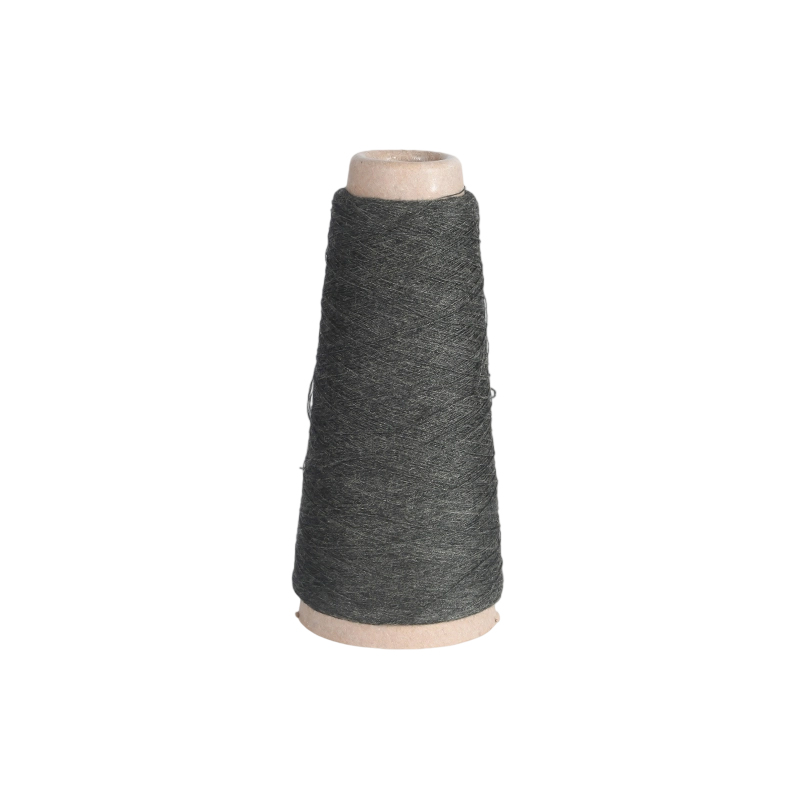
Functional Fiber Integration
Definition of functional fibers: These include fibers engineered for antibacterial properties, high abrasion resistance, moisture wicking, UV protection, or elasticity.
Examples:
- Antibacterial fibers treated with silver ions or quaternary ammonium compounds.
- Abrasion-resistant fibers like high-strength nylon or UHMWPE.
- Moisture-wicking polyester fibers for comfort in protective clothing.
- Purpose of integration: Combining non-flammable yarn with functional fibers allows garments or fabrics to maintain flame resistance while gaining additional protective or comfort features.
Advantages of Combining Non-Flammable Yarn with Functional Fibers
Enhanced protection:
- Abrasion-resistant fibers reduce wear and tear in high-friction areas without compromising fire safety.
- Antibacterial fibers prevent microbial growth, maintaining hygiene in long-term use.
Improved comfort:
- Moisture-wicking or stretchable fibers can be blended to make protective clothing more wearable for long periods.
- Soft or elastic fibers can enhance flexibility without reducing flame resistance.
Versatility:
- Fabrics can be tailored for specific applications, e.g., industrial uniforms, firefighting suits, or hospital protective gear.
- Multi-functional fabrics meet diverse safety, comfort, and hygiene requirements.
Considerations for Material Compatibility
Fiber selection:
- Non-flammable yarn must be compatible with functional fibers in terms of melting point, thermal stability, and chemical resistance.
- Low-temperature fibers may degrade if exposed to high heat, reducing overall fire protection.
Blending ratios:
- Maintaining a proper ratio is critical to ensure the flame-resistant properties are not diluted.
- For instance, a high proportion of antibacterial polyester may reduce heat resistance if the non-flammable yarn proportion is too low.
Processing methods:
- Spinning, knitting, or weaving techniques should accommodate different fiber types without compromising mechanical or thermal performance.
- Coatings or finishes may also affect compatibility, such as water-repellent or UV-protective treatments.
Testing and Certification
Flame-resistance standards:
- Fabrics must be tested according to NFPA, EN ISO, or other national and international standards.
- Non-flammable yarn content must meet flame-resistance criteria even after blending.
Functional performance verification:
- Antibacterial activity can be measured using standardized microbial tests.
- Abrasion resistance and elasticity can be verified through mechanical testing.
Durability:
Fabrics should maintain both fire-resistance and functional properties after washing, wear, and environmental exposure.
Challenges and Limitations
- Potential reduction in flame resistance: Excessive addition of non-fire-resistant fibers can compromise the overall fire safety of the fabric.
- Cost considerations: Combining multiple high-performance fibers increases production cost.
- Technical complexity: Ensuring uniform distribution and bonding of fibers may require advanced textile engineering techniques.
- Maintenance requirements: Specialized care may be needed to preserve antibacterial or abrasion-resistant features without affecting flame-resistance.
Applications in Industry
- Protective clothing: Firefighters’ suits or industrial uniforms benefit from a blend of non-flammable yarn with abrasion-resistant and moisture-wicking fibers.
- Medical and laboratory textiles: Antibacterial, flame-resistant fabrics are ideal for hospital curtains, lab coats, and protective drapes.
- Aerospace and automotive: High-performance blended fabrics protect against heat, friction, and microbial contamination in sensitive applications.
- Home and commercial textiles: Curtains, upholstery, and fire-resistant drapes can integrate functional fibers for durability and hygiene while maintaining safety.
Blending Non-Flammable Yarn with functional fibers such as antibacterial, abrasion-resistant, or moisture-wicking yarns is not only feasible but highly beneficial. This combination allows the production of fabrics and garments that retain essential fire safety standards while enhancing comfort, durability, and hygiene. Key considerations include fiber compatibility, blending ratios, processing techniques, and rigorous testing to ensure both flame resistance and functional performance.
LATEST POST
Let’s create something amazing together
contact us
-
 905, Yanxiang Technology Building, Binkang Road, Binjiang District, Hangzhou City, Zhejiang Province, China
 -
 +86-057186797597
 -
 +86-15658877105
 -

- QUICK LINKS
- Home
- About BlackFire
- Our Story
- FAQ
- QUICK LINKS
- Technology
- Application
- Contact Us
- NEWS & INSIGHTS
- Company News
- Industry News
Don't hesitate to contact when you need us!

