


 English
  عربى
عربى  中文简体
中文简体
Fireproof Fabrics vs Heat-Reflective Materials
Definition and purpose: Fireproof and heat-insulating fabrics are specialized materials designed to resist combustion and reduce heat transfer.
- Applications: Widely used in protective clothing, industrial insulation, construction, and aerospace applications.
- Quality assurance: High-quality Fireproof and Heat-Insulating Fabric is tested for fire resistance, thermal stability, and safety performance.
- Key question: Can these fabrics prevent infrared (IR) radiation heat, and how do they differ from heat-reflective materials?
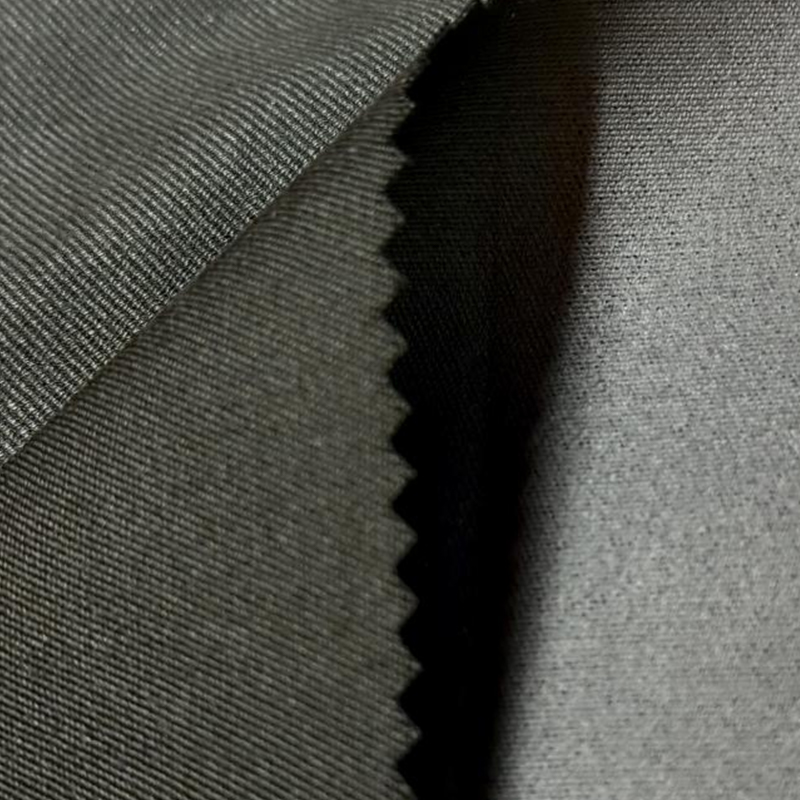
How Fireproof and Heat-Insulating Fabric Works
Heat resistance mechanism:
- Fireproof fabrics are engineered to withstand direct flame and high temperatures without igniting.
- They slow heat penetration, protecting underlying surfaces or skin.
Insulation properties:
- Layers of fibers, often combined with ceramics or glass microfibers, trap air to reduce conductive and convective heat transfer.
- This limits the amount of heat transmitted from one side to another.
Infrared radiation behavior:
- While some fireproof fabrics reduce the effect of IR radiation due to low thermal conductivity, their primary function is to resist flame and heat conduction, not to reflect radiant heat entirely.
- The degree of IR protection depends on material composition and surface finish.
What Are Heat-Reflective Materials?
- Definition: Heat-reflective materials are specifically designed to reflect radiant heat, including infrared radiation, away from a surface.
- Common applications: Sunshields, thermal blankets, reflective insulation, and some high-temperature protective coatings.
Mechanism of action:
- They typically feature metallic or aluminized coatings that reflect IR radiation.
- Unlike insulating fabrics, their focus is on reflecting energy rather than slowing conduction.
Temperature handling:
- Heat-reflective materials do not necessarily resist open flames. They can reflect heat but may degrade under direct fire or high temperatures unless combined with fire-resistant layers.
- Differences Between Fireproof Fabric and Heat-Reflective Materials
Primary function:
- Fireproof fabrics: Resist ignition and slow heat transfer.
- Heat-reflective materials: Redirect radiant heat away from a surface.
Material composition:
- Fireproof fabrics: Often made from aramid fibers, fiberglass, or ceramic blends.
- Heat-reflective materials: Usually involve metallic layers, aluminized coatings, or reflective foils.
Application environment:
- Fireproof fabrics: Industrial protective gear, fire blankets, and heat shields in machinery.
- Heat-reflective materials: Solar insulation, space blankets, and reflective building materials.
IR radiation protection:
- Fireproof fabrics provide some IR attenuation but are not optimized for reflection.
- Heat-reflective materials improve IR reflection but may not provide fire resistance.
Combined Solutions for Protection
Layered design:
- Some high-performance protective materials combine fireproof fabrics with reflective coatings to offer both flame resistance and IR reflection.
- This is commonly used in firefighting gear, high-temperature industrial suits, and aerospace insulation.
Advantages:
- Reduces both conductive/convective heat and radiant heat exposure.
- Enhances user safety in extreme environments.
Considerations:
- Adding reflective layers can increase weight or reduce flexibility.
- Proper testing ensures compliance with fire and thermal safety standards.
- Practical Applications and Considerations
Protective clothing:
- Firefighters, welders, and industrial workers benefit from fabrics that resist flame and heat conduction.
- Reflective coatings may be added to protect against radiant heat from molten metal or furnaces.
Building insulation:
Fireproof fabrics used in construction can prevent fire spread but may be combined with reflective barriers to improve thermal efficiency.
Aerospace and automotive:
Multi-layer insulation blankets use a combination of fireproof fabrics and reflective foils to manage extreme heat from engines and exhaust systems.
Maintenance and Selection Tips
1. Quality and certification:
Choose fabrics tested for both fire resistance and thermal performance.
2. Layer combination:
For IR protection, select fireproof fabrics with reflective coatings if radiant heat is a concern.
3. Durability:
Consider washing, abrasion, and exposure conditions. Reflective coatings may degrade over time.
4. Application-specific selection:
Evaluate whether the primary risk is direct flame, high temperature, or radiant heat to choose the right material combination.
Conclusion
Understanding the differences and complementary properties of these materials allows engineers, designers, and safety professionals to select solutions that improve safety, comfort, and efficiency in high-heat applications.
LATEST POST
Let’s create something amazing together
contact us
-
 905, Yanxiang Technology Building, Binkang Road, Binjiang District, Hangzhou City, Zhejiang Province, China
 -
 +86-057186797597
 -
 +86-15658877105
 -

- QUICK LINKS
- Home
- About BlackFire
- Our Story
- FAQ
- QUICK LINKS
- Technology
- Application
- Contact Us
- NEWS & INSIGHTS
- Company News
- Industry News
Don't hesitate to contact when you need us!

