


 English
  عربى
عربى  中文简体
中文简体
Enhancing Firefighting Suit Fabric With Additional Insulation
Firefighting suit fabric is designed to protect firefighters from extreme heat, flames, and hazardous environments.
Modern firefighting fabrics combine flame resistance, thermal insulation, and durability to ensure safety during high-risk operations.
One key method to enhance performance is combining Firefighting Suit Fabric with additional insulating materials.
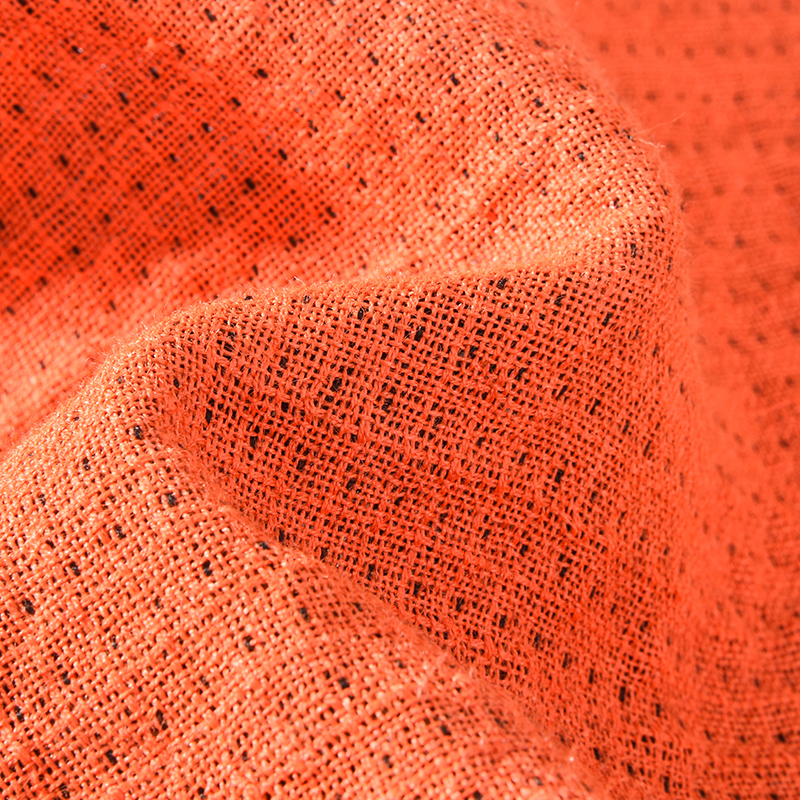
Core Properties of Firefighting Suit Fabric
Flame Resistance:
- Fabrics are typically made from aramid fibers (like Nomex or Kevlar) or other heat-resistant synthetic fibers.
- Prevents ignition and maintains structural integrity under direct flame exposure.
Thermal Insulation:
- Multi-layer construction traps air to reduce heat transfer.
- Ensures firefighters can operate in high-temperature environments for extended periods.
Durability and Abrasion Resistance:
- Resistant to wear and tear, cutting, and exposure to chemicals or debris.
- Enhances the lifespan of the suit and protects against mechanical hazards.
Challenges in High-Temperature Scenarios
Extreme Heat Exposure:
- Flames and radiant heat can exceed 500°C in structural fires.
- Single-layer fabrics may not provide sufficient insulation in prolonged exposure.
Combination of Risks:
- Firefighters often face simultaneous exposure to heat, moisture, and physical impact.
- Integrated insulation systems improve safety by addressing multiple threats.
Weight and Mobility:
- Adding insulation improves thermal protection but can increase weight and reduce flexibility.
- Suitable layering balances heat protection with maneuverability.
Suitable Additional Insulating Materials
Aluminized Layers:
- Reflects radiant heat, reducing the amount of heat absorbed by the underlying fabric.
- Commonly used in proximity suits for high-heat applications.
Foam or Nonwoven Layers:
- Lightweight materials that trap air and enhance thermal resistance.
- Used as middle layers between the outer flame-resistant fabric and inner moisture barriers.
Moisture-Barrier Fabrics:
- Prevent water and steam penetration, reducing heat transfer through wet clothing.
- Examples include PTFE laminates or breathable polyurethane films.
Phase-Change Materials (PCMs):
- Absorb and release heat, maintaining a consistent temperature inside the suit.
- Provides enhanced comfort and prevents overheating during extended operations.
Layering Strategies for Suitable Performance
Outer Shell:
- Made from Firefighting Suit Fabric with high flame resistance and abrasion protection.
- Protects internal layers from direct flame and mechanical damage.
Thermal Liner:
- Incorporates air-trapping fabrics, foam, or nonwoven insulation to slow heat transfer.
- Provides core protection while maintaining flexibility.
Moisture Barrier Layer:
- Positioned between the thermal liner and skin-facing layer to block water, chemicals, and steam.
- Prevents heat from conducting through wet layers.
Comfort Liner:
- Soft, breathable layer next to the skin to wick moisture and improve mobility.
- Enhances wearer comfort during long shifts.
Performance Testing and Standards
Thermal Protective Performance (TPP):
- Measures the time it takes for heat to penetrate fabric layers to cause a burn.
- Combining Firefighting Suit Fabric with additional insulation improves TPP ratings.
Flame Resistance Standards:
- NFPA 1971 or EN 469 standards ensure the suit maintains performance under flame and heat exposure.
Moisture and Sweat Management:
- Evaluating moisture-barrier effectiveness ensures comfort and prevents heat stress.
Practical Advantages of Combined Insulation
1. Enhanced Heat Protection:
Additional layers reduce thermal load on firefighters during high-heat exposure.
2. Improved Safety:
Multi-layer systems protect against burns, steam burns, and radiant heat.
3. Operational Efficiency:
Firefighters can work longer with less fatigue and discomfort.
4. Longevity of Gear:
Proper insulation reduces wear on the outer firefighting fabric, extending suit life.
Maintenance and Care Considerations
Regular Inspection:
Check for damage, tears, or degradation of insulation layers.
Cleaning:
Follow manufacturer instructions to preserve flame resistance and thermal performance.
Storage:
Store suits in dry, cool areas to prevent mold, mildew, or material deterioration.
Layer Replacement:
Replace insulation layers as recommended to maintain suitable thermal protection.
Conclusion
- Combining Firefighting Suit Fabric with additional insulating materials significantly enhances overall thermal protection, safety, and comfort.
- Layering strategies such as thermal liners, moisture barriers, and reflective or phase-change materials allow firefighters to operate effectively in extreme environments.
- Proper selection, testing, and maintenance of each layer ensure long-term reliability and suitable performance.
By integrating multiple materials, firefighting suits achieve a balance of flame resistance, heat insulation, moisture management, and mobility, improving safety for professionals in high-risk scenarios.
LATEST POST
Let’s create something amazing together
contact us
-
 905, Yanxiang Technology Building, Binkang Road, Binjiang District, Hangzhou City, Zhejiang Province, China
 -
 +86-057186797597
 -
 +86-15658877105
 -

- QUICK LINKS
- Home
- About BlackFire
- Our Story
- FAQ
- QUICK LINKS
- Technology
- Application
- Contact Us
- NEWS & INSIGHTS
- Company News
- Industry News
Don't hesitate to contact when you need us!

