


 English
  عربى
عربى  中文简体
中文简体
Durability and Wash Resistance of Fireproof Workwear Fabric
Introduction to Fireproof Workwear Fabric
Fireproof Workwear Fabric is specifically engineered to protect against flames, high heat, and other thermal hazards. Commonly used in industries such as oil and gas, welding, electrical maintenance, and firefighting, these fabrics play a critical role in ensuring worker safety. Beyond their initial fire resistance, durability, and the ability to maintain performance over time, especially through repeated washing, are crucial factors in evaluating the fabric’s effectiveness and cost efficiency.
Structural Durability of the Fabric
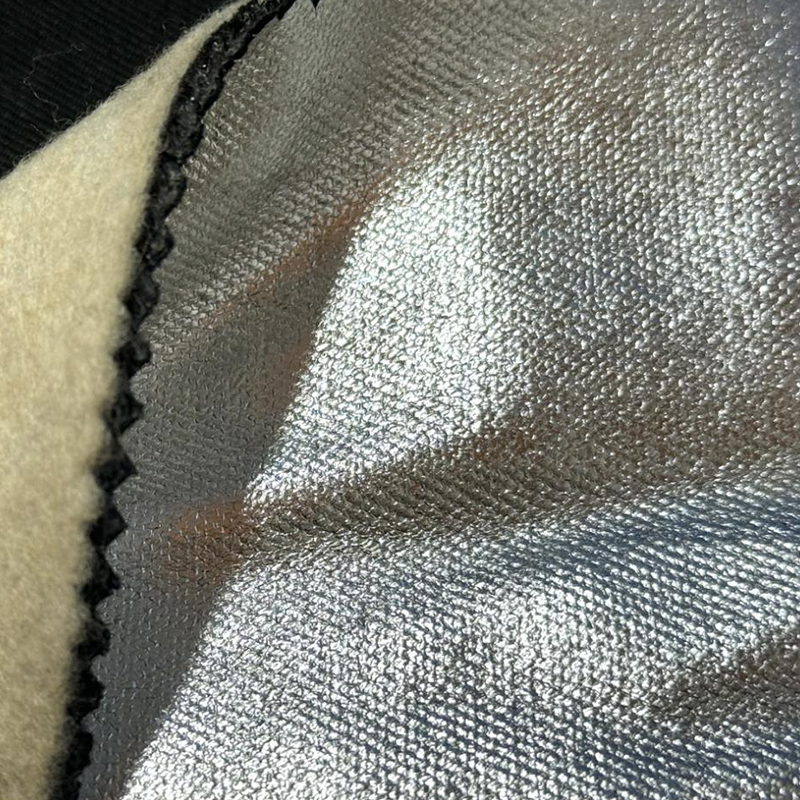
The durability of Fireproof Workwear Fabric largely depends on the type of fibers used and the weaving or knitting structure. High-performance fibers such as aramid, modacrylic, or carbon blends provide good tensile strength, tear resistance, and abrasion resistance. These properties allow the fabric to endure rigorous daily use in harsh industrial environments without significant wear or degradation. Fabrics with reinforced weave patterns or blended high-strength fibers tend to resist fraying and mechanical damage better than single-fiber constructions, making them ideal for long-term applications.
Effects of Washing on Fire Resistance
One key concern for end-users is whether the fire-resistant properties of the fabric degrade with repeated laundering. While most modern Fireproof Workwear Fabric is treated or engineered to retain flame resistance even after multiple washes, improper washing techniques can reduce effectiveness. High temperatures, harsh detergents, bleach, and fabric softeners can damage the protective fibers or coatings. Most manufacturers recommend washing at moderate temperatures with mild, non-alkaline detergents, avoiding bleach and fabric softeners, to preserve both the integrity and fireproof properties of the material.
Longevity and Performance Retention
High-quality Fireproof Workwear Fabric is designed to maintain its protective performance over hundreds of laundering cycles, provided proper care guidelines are followed. Many fabrics undergo standardized wash tests to certify their durability, often adhering to ASTM or ISO testing methods. Fabrics with inherent flame-resistant fibers, as opposed to surface-applied chemical treatments, typically exhibit good long-term retention of fireproof properties, even after extensive use and repeated washing.
Indicators of Wear and Maintenance Needs
While fire resistance is the primary function, visible signs of wear, such as thinning, pilling, or fraying, may indicate that the fabric’s mechanical durability is compromised. Users should inspect workwear regularly for such signs and replace garments when structural degradation appears. Routine maintenance, including correct washing, drying, and storage, plays a vital role in extending the service life of the fabric and ensuring consistent protection against fire hazards.
Balancing Safety and Cost Efficiency
Investing in Fireproof Workwear Fabric that maintains performance over time provides both safety and cost benefits. Durable fabrics reduce the need for frequent replacement, lowering operational expenses while ensuring workers remain protected. Choosing fabrics with a combination of inherent flame-resistant fibers and robust construction optimizes both protection and longevity, offering the best value in demanding industrial environments.
Ensuring Long-Term Protection
Fireproof Workwear Fabric delivers critical thermal protection, but its effectiveness depends on durability and proper care. Fabrics made from high-performance fibers and engineered with appropriate construction techniques are resilient against mechanical wear and maintain fire resistance through multiple washes. By following recommended laundering practices and monitoring for signs of wear, users can ensure that fireproof garments continue to provide reliable protection, combining safety, comfort, and long-term value.
LATEST POST
Let’s create something amazing together
contact us
-
 905, Yanxiang Technology Building, Binkang Road, Binjiang District, Hangzhou City, Zhejiang Province, China
 -
 +86-057186797597
 -
 +86-15658877105
 -

- QUICK LINKS
- Home
- About BlackFire
- Our Story
- FAQ
- QUICK LINKS
- Technology
- Application
- Contact Us
- NEWS & INSIGHTS
- Company News
- Industry News
Don't hesitate to contact when you need us!

