


 English
  عربى
عربى  中文简体
中文简体
Suitability Of Fireproof And Heat-Insulating Fabric Outdoors
Fireproof and heat-insulating fabric is widely used in industrial, commercial, and residential applications to protect against high temperatures and fire hazards.
Its unique composition combines flame-resistant fibers with thermal insulation properties, ensuring both safety and durability.
One common question is whether Fireproof and Heat-Insulating Fabric can perform reliably in outdoor or humid environments.
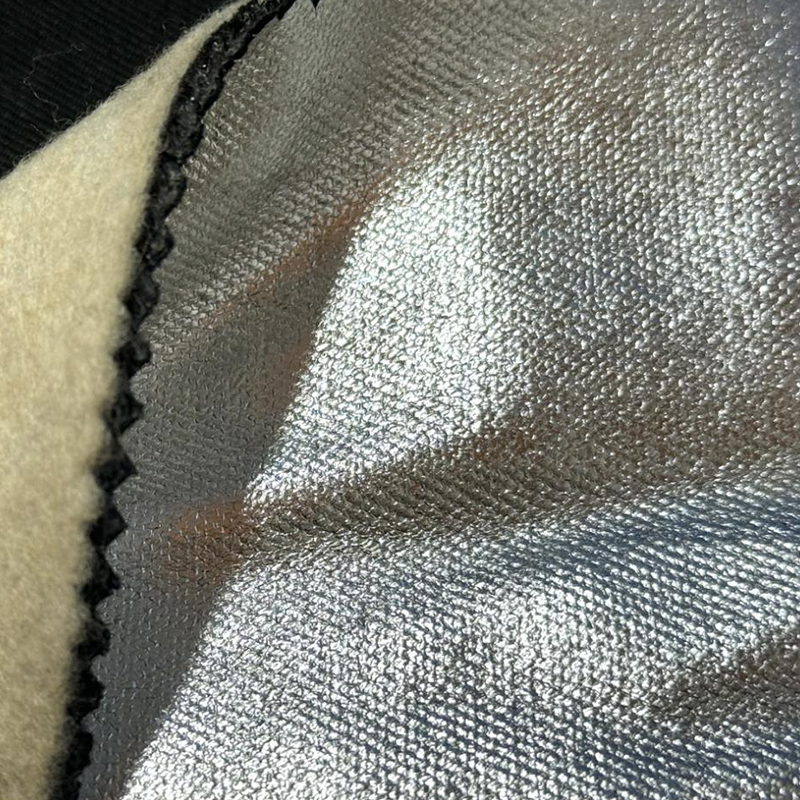
Material Composition and Properties
Flame-Resistant Fibers:
Typically made from fiberglass, aramid, ceramic fibers, or treated cotton blends.
These fibers resist ignition and maintain structural integrity under high temperatures.
Thermal Insulation Layers:
Multiple layers or coatings help reduce heat transfer and protect surfaces or equipment.
Some fabrics include reflective coatings to deflect radiant heat in outdoor settings.
Moisture Sensitivity:
Natural fibers or certain chemical treatments may absorb water, potentially reducing thermal efficiency.
Synthetic fibers or waterproof coatings enhance performance in humid conditions.
Challenges of Outdoor and Humid Environments
UV Exposure:
- Prolonged sunlight can degrade some fibers, particularly untreated cotton or polyester blends.
- UV-resistant coatings or additives improve long-term outdoor durability.
Moisture and Rain:
- Humidity or rain can cause natural fibers to swell, weaken, or lose insulating properties.
- Proper coatings or synthetic alternatives prevent water absorption.
Temperature Fluctuations:
- Outdoor applications face extreme heat and cold cycles, which may cause expansion, contraction, or material fatigue.
- High-quality fabrics are engineered to maintain performance under these conditions.
Wind and Abrasion:
- Constant exposure to wind can create friction and mechanical wear.
- Reinforced edges or surface treatments extend fabric lifespan.
Suitable Fabric Types for Outdoor Use
Fiberglass-Based Fabrics:
- Resistant to fire, heat, and most moisture conditions.
- Can be coated with silicone or PTFE to enhance water repellency.
Aramid-Based Fabrics:
- High strength, flame resistance, and low moisture absorption.
- Suitable for harsh outdoor environments where UV resistance is also required.
Coated Fabrics:
- Silicone, PVC, or polyurethane coatings improve water resistance, UV stability, and mechanical durability.
- Ideal for outdoor curtains, protective covers, or high-temperature insulation barriers.
Practical Applications in Outdoor or Humid Environments
Construction Sites:
Fireproof tarpaulins or temporary thermal barriers to protect equipment and materials.
Industrial Settings:
Outdoor furnaces, boilers, or exhaust covers require fabric that withstands heat and weather.
Emergency Equipment:
Fire blankets or protective covers that may be exposed to rain or humid conditions.
Transport and Storage:
Covering flammable materials or heat-sensitive components during transit.
Maintenance and Longevity Tips
Regular Inspection:
- Check for wear, UV damage, or moisture-related deterioration.
Cleaning:
- Avoid harsh chemicals; use mild detergent and rinse thoroughly to maintain coatings.
Proper Storage:
- Store in a dry, shaded environment when not in use to prevent mold or UV degradation.
Protective Coatings:
- Reapply water-repellent or UV-resistant coatings periodically to maintain performance.
Advantages of Fireproof And Heat-Insulating Fabric Outdoors
Safety:
Prevents ignition and protects equipment or personnel from extreme heat.
Thermal Efficiency:
Reduces heat transfer even in high-humidity or temperature-variable conditions.
Durability:
Modern coatings and synthetic fibers provide resistance against UV, moisture, and mechanical wear.
Versatility:
Can be tailored for various outdoor applications, including protective covers, barriers, and curtains.
Conclusion
- Fireproof And Heat-Insulating Fabric can be suitable for outdoor or humid environments when the proper materials and coatings are selected.
- Fiberglass or aramid fibers with water-repellent and UV-resistant treatments provide suitable durability and performance.
- Maintenance, periodic inspection, and proper storage further extend the service life of the fabric in challenging conditions.
Understanding material composition, environmental challenges, and practical applications allows operators to choose fabrics that provide reliable fire protection and thermal insulation outdoors or in humid climates.
LATEST POST
Let’s create something amazing together
contact us
-
 905, Yanxiang Technology Building, Binkang Road, Binjiang District, Hangzhou City, Zhejiang Province, China
 -
 +86-057186797597
 -
 +86-15658877105
 -

- QUICK LINKS
- Home
- About BlackFire
- Our Story
- FAQ
- QUICK LINKS
- Technology
- Application
- Contact Us
- NEWS & INSIGHTS
- Company News
- Industry News
Don't hesitate to contact when you need us!

