


 English
  عربى
عربى  中文简体
中文简体
Performance Of Non-Flammable Yarn In Blended Fabrics
Non-Flammable Yarn is specially engineered to resist ignition and slow down the spread of fire in textiles.
It is widely used in industrial, commercial, and residential applications to improve safety.
One important application is blending this yarn with other fibers to create fabrics that combine fire resistance with comfort, strength, and functionality.
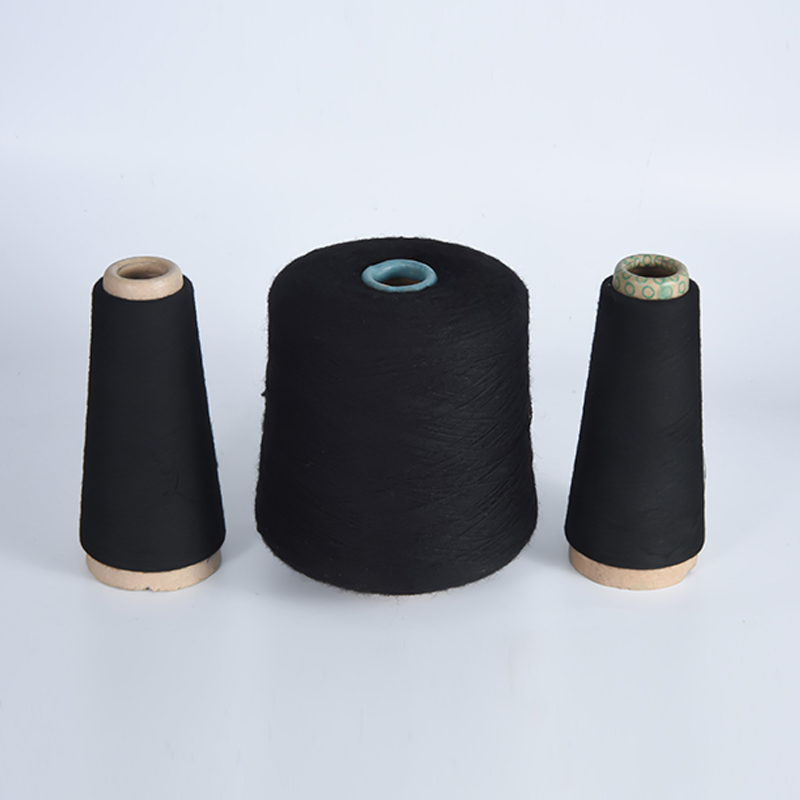
Benefits of Blending Non-Flammable Yarn
Enhanced Fire Safety:
- Blending non-flammable yarn with standard fibers significantly increases the overall flame resistance of the fabric.
- Even small percentages of non-flammable yarn can prevent ignition or reduce burn rates.
Balanced Performance:
- Mixing fibers allows manufacturers to retain desirable properties such as softness, elasticity, and breathability while adding fire protection.
Versatility in Applications:
- Blended fabrics are suitable for clothing, upholstery, curtains, industrial protective gear, and transportation textiles.
Types of Fibers Commonly Blended
Cotton and Polyester:
Cotton provides comfort and breathability, while polyester adds strength.
Integrating non-flammable yarn enhances thermal resistance without compromising flexibility.
Wool Blends:
Wool has natural flame-retardant properties; combining it with non-flammable yarn further improves fire performance.
Synthetic Fibers (Nylon, Acrylic):
Non-flammable yarn compensates for the lower fire resistance of certain synthetic fibers, ensuring safety in high-risk environments.
Performance in Blended Fabrics
1. Ignition Resistance:
Blended fabrics resist catching fire even when exposed to small flames or sparks.
This is crucial in workplaces, public spaces, or home environments where accidental ignition is possible.
2. Heat Distribution:
Non-flammable yarn slows down heat propagation, reducing the risk of burns and material degradation.
3. Durability:
Blending non-flammable yarn enhances the structural integrity of fabrics under thermal stress.
Maintains shape and tensile strength even after multiple washes or high-temperature exposure.
Testing and Standards
Flammability Standards:
- Blended fabrics are tested according to ISO, NFPA, or ASTM standards to ensure compliance.
- Parameters include ignition time, burn rate, char length, and self-extinguishing capabilities.
Thermal Protective Performance (TPP):
- Measures the fabric’s ability to protect against heat flux; blended fabrics with non-flammable yarn typically score higher than standard fabrics.
Maintenance of Performance:
- Non-flammable yarn retains its fire-resistant properties over repeated laundering, ensuring long-term safety.
Design Considerations for Blending
Proportion of Non-Flammable Yarn:
Higher percentages increase flame resistance but may affect fabric hand-feel and drape.
Suitable blending balances safety with comfort and aesthetic appeal.
Weave and Knit Structures:
Dense weaves and multi-layer knits improve thermal protection and limit flame penetration.
Surface Treatments:
Additional coatings can enhance moisture resistance, abrasion resistance, and fire retardancy.
Advantages of Blended Fabrics
- Safety and Compliance:
Meets regulatory requirements for workplaces, public spaces, or transportation interiors.
- Comfort and Usability:
Provides softness, flexibility, and breathability that pure non-flammable yarn fabrics may lack.
- Cost-Effectiveness:
Blending reduces reliance on expensive pure fire-resistant fibers while achieving acceptable safety levels.
- Versatility:
Can be tailored for apparel, furniture, curtains, industrial protective wear, and automotive interiors.
Maintenance and Care Tips
1. Proper Washing:
Use recommended detergents and avoid bleach or harsh chemicals that may compromise fire-resistant coatings.
2. Regular Inspection:
Check blended fabrics for wear, fraying, or damage to ensure continued fire performance.
3. Storage:
Store away from direct sunlight or moisture to prevent degradation of yarn properties.
4. Replacement:
Replace heavily worn fabrics or garments to maintain safety standards.
Conclusion
- Blending Non-Flammable Yarn with other fibers creates fabrics that combine fire resistance, comfort, durability, and versatility.
- These fabrics perform well in resisting ignition, slowing heat transfer, and maintaining structural integrity even after repeated use.
- Proper selection of fiber types, blending ratios, and fabric structures ensures suitable performance for clothing, upholstery, industrial protective gear, and more.
- Blended fabrics are a practical and cost-effective solution to enhance fire safety without compromising comfort, usability, or aesthetic quality.
LATEST POST
Let’s create something amazing together
contact us
-
 905, Yanxiang Technology Building, Binkang Road, Binjiang District, Hangzhou City, Zhejiang Province, China
 -
 +86-057186797597
 -
 +86-15658877105
 -

- QUICK LINKS
- Home
- About BlackFire
- Our Story
- FAQ
- QUICK LINKS
- Technology
- Application
- Contact Us
- NEWS & INSIGHTS
- Company News
- Industry News
Don't hesitate to contact when you need us!

