


 English
  عربى
عربى  中文简体
中文简体
How Do Spray Solutions Enhance Fire Resistance on Various Surfaces?
Protecting surfaces from fire is a key concern in both residential and commercial settings. Spray-applied fire-resistant solutions have become an effective way to enhance safety, offering convenience and broad coverage. Products such as outdoor fire retardant spray, fire proof foam spray, and exterior fire retardant spray provide practical methods to protect materials from ignition and slow the spread of flames. Understanding how these sprays work helps users apply them effectively across different surfaces.
An outdoor fire retardant spray is specifically formulated to protect surfaces exposed to the elements. This type of spray can be applied to wood, fabrics, or other combustible materials in outdoor environments, creating a protective layer that resists ignition. The ability of an outdoor fire retardant spray to maintain effectiveness despite rain, wind, or sunlight makes it ideal for decks, fences, and garden furniture. By forming a chemical barrier, the spray reduces the risk of accidental fires spreading in open spaces.
For applications requiring foam coverage, a fire proof foam spray is a versatile option. Unlike liquid sprays, foam expands upon application, filling gaps and crevices while adhering to vertical and irregular surfaces. A fire proof foam spray can be applied to insulation, ceilings, or structural components, creating a continuous flame-resistant layer. This expansion property ensures comprehensive protection, preventing small flames from finding weak points where fire could advance.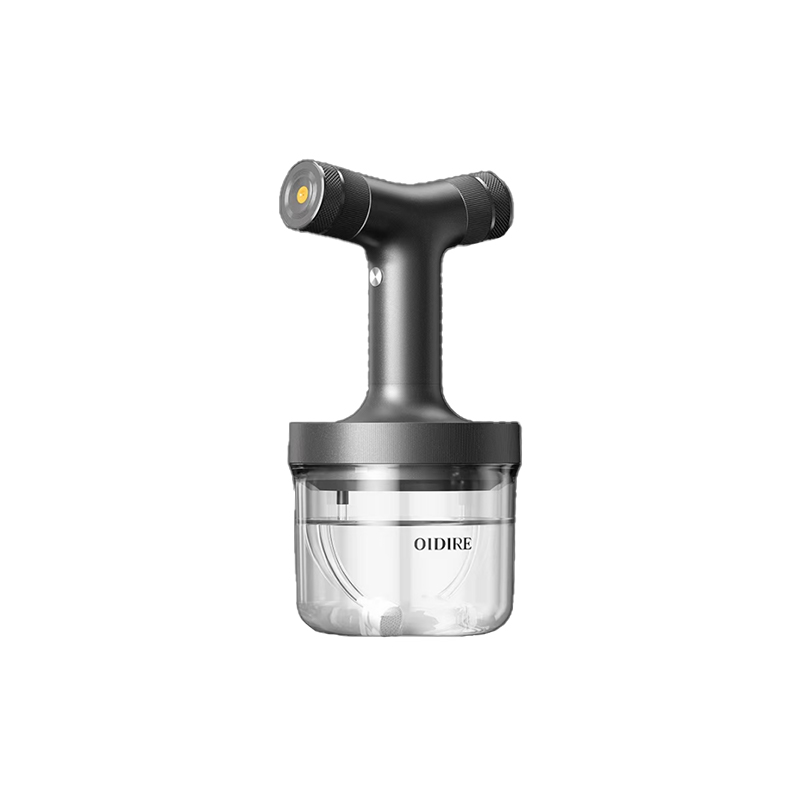
In addition, exterior fire retardant spray is often used on building facades, siding, and other exposed surfaces. It enhances fire resistance by forming a durable coating that resists heat and flame penetration. Applying an exterior fire retardant spray to vulnerable surfaces adds an extra layer of protection, particularly in areas prone to wildfires or accidental ignition. Regular maintenance and reapplication help maintain the fire-resistant properties over time, ensuring ongoing safety.
The effectiveness of these sprays depends on correct application and surface preparation. Before using outdoor fire retardant spray, fire proof foam spray, or exterior fire retardant spray, surfaces should be clean, dry, and free of dust or debris. Proper coverage is essential; uneven application can create weak spots that compromise the protection. Following manufacturer guidelines for drying times and reapplication intervals ensures that the sprayed surface maintains its flame-resistant qualities.
Another advantage of spray solutions is their adaptability to different materials. Whether applied to wood, fabric, foam, or masonry, outdoor fire retardant spray and similar products form a barrier that enhances the inherent fire resistance of the substrate. This flexibility allows homeowners, builders, and facility managers to standardize fire protection across a variety of surfaces without specialized equipment.
Beyond immediate fire prevention, these sprays contribute to long-term safety planning. A fire proof foam spray or exterior fire retardant spray not only protects materials but also gives occupants additional time to respond in case of fire. By slowing flame spread, these products reduce potential property damage and enhance the overall fire safety of buildings and outdoor areas.
Spray solutions such as outdoor fire retardant spray, fire proof foam spray, and exterior fire retardant spray provide practical, adaptable, and effective protection for multiple surfaces. Proper application, maintenance, and understanding of the product's properties ensure that these sprays enhance fire resistance and reduce the risk of fire escalation. By incorporating these solutions, users can improve safety in both indoor and outdoor environments while protecting valuable property and infrastructure.
LATEST POST
Let’s create something amazing together
contact us
-
 905, Yanxiang Technology Building, Binkang Road, Binjiang District, Hangzhou City, Zhejiang Province, China
 -
 +86-057186797597
 -
 +86-15658877105
 -

- QUICK LINKS
- Home
- About BlackFire
- Our Story
- FAQ
- QUICK LINKS
- Technology
- Application
- Contact Us
- NEWS & INSIGHTS
- Company News
- Industry News
Don't hesitate to contact when you need us!

