


 English
  عربى
عربى  中文简体
中文简体
How Does a Fire Retardant Coating Improve the Safety of Fabrics?
Fire safety is a critical consideration in homes, workplaces, and public spaces. Fabrics are a common part of everyday environments, from clothing and upholstery to curtains and industrial textiles. Applying a fire retardant spray for cloth, fabric fire protection, or fire retardant coating for fabric can significantly enhance safety by reducing flammability and slowing the spread of fire. Understanding how these treatments work helps users make informed decisions about fabric safety.
A fire retardant spray for cloth is designed to form a protective layer on the fibers of the fabric. This coating reacts when exposed to heat or flame, either by forming a barrier that insulates the material or by releasing chemicals that slow down combustion. Unlike traditional fireproofing methods that are applied during manufacturing, a fire retardant spray for cloth can be used on existing textiles, offering flexibility for both household and professional use. Treated fabrics maintain their texture, appearance, and flexibility while gaining additional protection against fire hazards.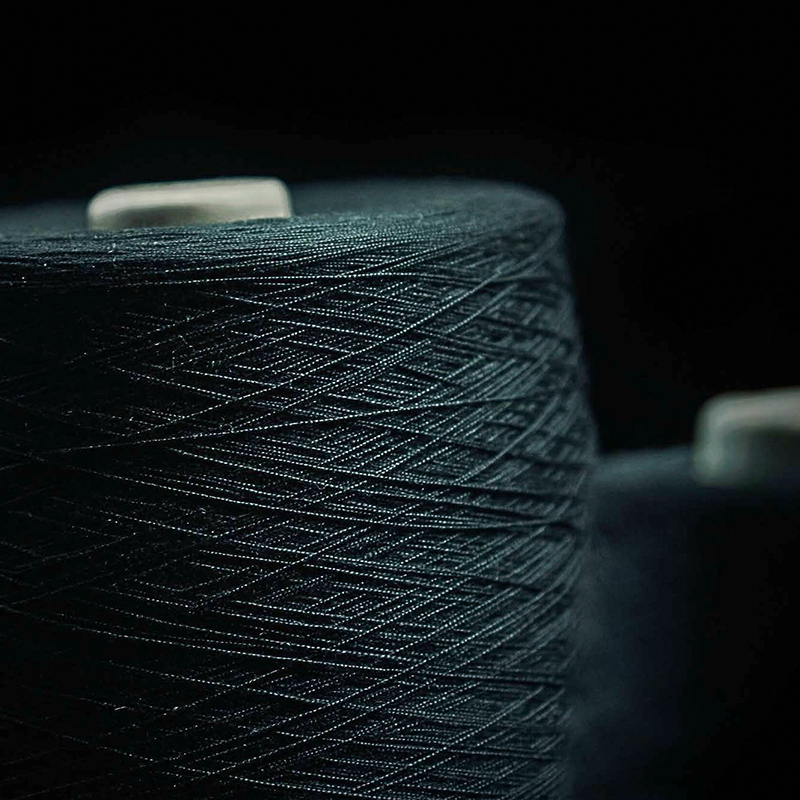
For everyday applications, fabric fire protection provides peace of mind for both families and businesses. Upholstery, curtains, and table linens can all be treated to reduce the risk of fire spreading in case of an accident. Fabric fire protection is especially valuable in settings where open flames, heaters, or electrical equipment are present. The treatment helps prevent flames from igniting the material quickly, giving occupants more time to respond, evacuate, or extinguish the fire safely.
In industrial and commercial environments, a fire retardant coating for fabric offers durable and reliable protection. Factories, laboratories, and public facilities often use textiles that come into contact with heat sources or flammable substances. A fire retardant coating for fabric ensures that these materials do not contribute to rapid fire propagation. Many coatings are designed to withstand repeated washing or heavy use, making them practical for uniforms, workwear, and protective gear. By maintaining the fabric's strength and flexibility, these coatings allow workers to move comfortably while staying protected.
The application process is key to the effectiveness of fire retardant spray for cloth and coatings. Fabrics should be clean and dry before treatment to ensure proper adhesion. Multiple light layers are generally more effective than a single heavy coat, as they allow the protective chemicals to penetrate fibers evenly. After application, fabrics typically need to dry completely before use. Regular maintenance and reapplication may be necessary, particularly for items that are washed or exposed to harsh conditions, to maintain the level of fabric fire protection.
Using a fire retardant coating for fabric also complements other fire safety measures, such as smoke detectors, sprinklers, and fire extinguishers. While these systems focus on detection and suppression, the coating provides direct prevention at the material level. By slowing ignition and flame spread, treated fabrics reduce the likelihood of small fires becoming larger hazards, improving overall safety in homes, vehicles, and industrial spaces.
Fire retardant spray for cloth, fabric fire protection, and fire retardant coating for fabric improve fabric safety by reducing flammability, slowing combustion, and maintaining material performance. Proper application and maintenance ensure that textiles remain effective while preserving their appearance and flexibility. These treatments offer a practical and adaptable solution for enhancing fire safety across a wide range of environments, providing protection for both people and property.
LATEST POST
Let’s create something amazing together
contact us
-
 905, Yanxiang Technology Building, Binkang Road, Binjiang District, Hangzhou City, Zhejiang Province, China
 -
 +86-057186797597
 -
 +86-15658877105
 -

- QUICK LINKS
- Home
- About BlackFire
- Our Story
- FAQ
- QUICK LINKS
- Technology
- Application
- Contact Us
- NEWS & INSIGHTS
- Company News
- Industry News
Don't hesitate to contact when you need us!

