


 English
  عربى
عربى  中文简体
中文简体
How Is BlackFireproof Fabric Used in Protective Clothing and Interiors?
Modern industries and households increasingly recognize the importance of fire-resistant materials, both for personal safety and for interior applications. Among the range of fire-safe textiles available, BlackFireproof Fabric has become a material of choice due to its durability and versatility. Designed with advanced treatments and fiber compositions, this fabric is capable of withstanding high temperatures while maintaining structural strength. Its applications extend far beyond industrial environments, making it a reliable option for protective clothing and interior design.
In protective clothing, BlackFireproof Fabric is valued for its ability to create barriers against direct flames and radiant heat. Firefighters, welders, and workers in heavy industries rely on garments that resist ignition and slow the spread of fire. Jackets, trousers, and gloves crafted from this fabric offer not only resistance but also comfort for the wearer, as they need to perform strenuous tasks in demanding environments. The protective function comes from the inherent properties of the fibers, which retain their integrity even under high stress. This allows workers to carry out their responsibilities with greater confidence, knowing that their gear reduces exposure to dangerous conditions.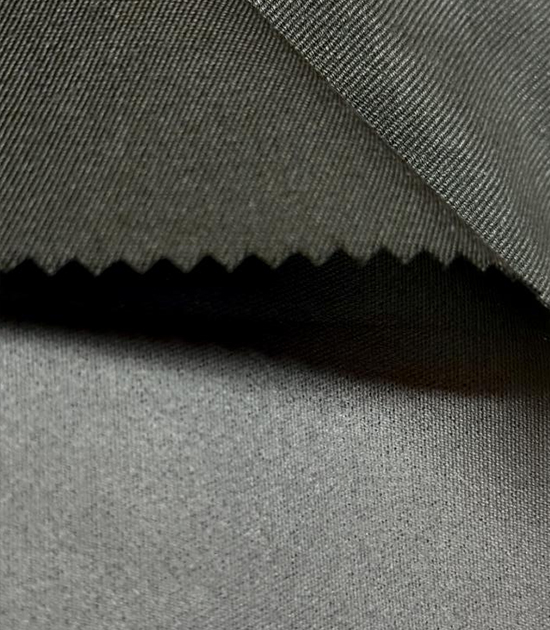
Another related material, BlackFire Retardant Fabric, is often employed in uniforms and specialty clothing where continuous exposure to sparks, molten materials, or small flames is a risk. While not intended to provide complete insulation against prolonged fire, this type of fabric slows down combustion, giving individuals valuable time to react. In industries such as automotive manufacturing, construction, and metal processing, BlackFire Retardant Fabric is a common choice for coveralls, welding aprons, and protective drapes. These applications illustrate how the material plays a vital role in preventing small incidents from escalating into major accidents.
Beyond protective garments, interior design also benefits from these innovative materials. Black Flame Retardant Fabric, for example, is frequently used in curtains, upholstery, and wall coverings in public spaces such as theaters, hotels, and conference halls. These environments must meet strict fire safety regulations, and fabric treated to resist flames helps ensure compliance. Designers value this material because it allows them to combine safety with style, offering a sleek dark tone that fits both modern and traditional interiors. The presence of Black Flame Retardant Fabric in these settings helps to reduce fire risks while maintaining a comfortable and attractive atmosphere.
The growing use of BlackFireproof Fabric in interiors also reflects broader awareness of safety in private homes. Families increasingly choose fire-resistant upholstery and draperies for living rooms, bedrooms, and even home offices. While aesthetics remain important, the integration of fire-resistant features adds an additional layer of security. Homeowners can take reassurance in knowing that their furniture and decorative fabrics contribute to a safer environment. Similarly, businesses that prioritize customer safety and brand reputation often select BlackFireproof Fabric for their interiors to meet regulatory standards and provide peace of mind.
It is important to note that each of these fabrics—BlackFireproof Fabric, BlackFire Retardant Fabric, and Black Flame Retardant Fabric—serves slightly different purposes, though they share a common goal of reducing fire hazards. Protective clothing demands strength and comfort, while interiors emphasize safety without compromising appearance. Together, these materials highlight how innovation in textile engineering supports both personal protection and design flexibility.
The use of BlackFireproof Fabric has expanded well beyond industrial safety gear, shaping the way protective clothing and interiors are designed today. Complemented by BlackFire Retardant Fabric for specialized clothing and Black Flame Retardant Fabric for decorative but functional interiors, these textiles illustrate the versatility of fire-resistant solutions. As workplaces and homes alike continue to prioritize safety, these fabrics will remain essential in creating environments that balance protection, durability, and aesthetic value.
LATEST POST
Let’s create something amazing together
contact us
-
 905, Yanxiang Technology Building, Binkang Road, Binjiang District, Hangzhou City, Zhejiang Province, China
 -
 +86-057186797597
 -
 +86-15658877105
 -

- QUICK LINKS
- Home
- About BlackFire
- Our Story
- FAQ
- QUICK LINKS
- Technology
- Application
- Contact Us
- NEWS & INSIGHTS
- Company News
- Industry News
Don't hesitate to contact when you need us!

