


 English
  عربى
عربى  中文简体
中文简体
How Do Manufacturers Test the Effectiveness of Fire Proofing Fabrics?
Fire safety is a critical concern across multiple industries, and the effectiveness of protective fabrics is essential in minimizing risks. Carbon fiber woven materials are commonly used in fire-resistant applications due to their strength and ability to withstand high temperatures. To ensure safety standards are met, manufacturers conduct a series of tests on fire proofing fabric to determine its ability to resist ignition, limit flame spread, and maintain structural integrity under heat exposure.
Testing fire proofing fabrics involves both controlled laboratory experiments and real-world simulations. Flame resistant materials are subjected to direct flame contact to observe how quickly they ignite and whether they self-extinguish once the flame source is removed. These tests help assess the material's performance under extreme conditions and provide manufacturers with data needed to certify the fabric for various applications, including protective clothing, industrial insulation, and specialized equipment.
Carbon fiber woven fabrics are often evaluated for durability and heat resistance. In addition to flame exposure, the material undergoes tests for tensile strength, abrasion resistance, and repeated heating cycles. This ensures that the fireproofing properties are maintained even after prolonged use or mechanical stress. The woven structure of carbon fiber contributes to both its mechanical strength and thermal stability, making it a preferred choice for applications where reliability is critical.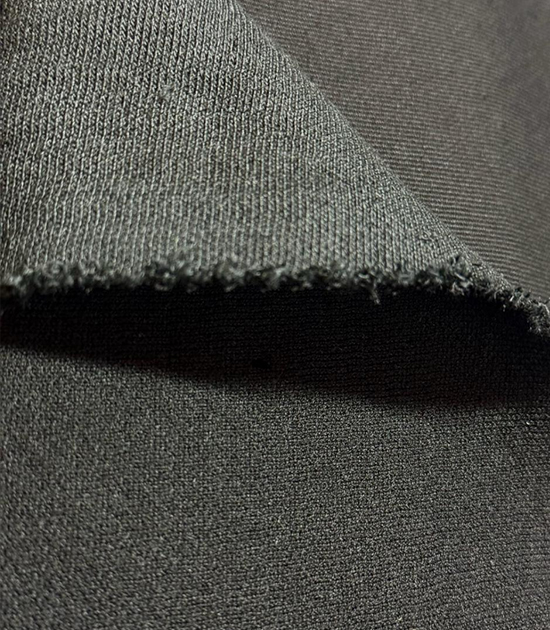
Another aspect of testing involves measuring the temperature at which the fabric begins to degrade or lose its protective properties. Flame resistant materials are subjected to heat sources of varying intensity, and sensors monitor the temperature and structural changes. This allows manufacturers to determine safe operating conditions for the material and ensures that the fabric can perform effectively in real-life scenarios. These tests also identify potential weaknesses that may require treatment or reinforcement.
Chemical treatments and coatings are sometimes applied to fire proofing fabric to enhance performance. Manufacturers test these treated fabrics to confirm that the coatings improve flame resistance without compromising flexibility or durability. Fire retardant sprays or chemical infusions are carefully assessed to ensure they do not produce toxic fumes when exposed to heat. By combining mechanical testing with chemical evaluation, manufacturers can provide a comprehensive understanding of how the fabric will perform in practical applications.
In addition to laboratory testing, real-world simulations are conducted to evaluate the behavior of flame resistant materials under environmental conditions. Fabrics may be exposed to wind, moisture, and varying temperatures while subjected to flame sources. These tests help manufacturers understand how external factors can influence the protective qualities of carbon fiber woven fabrics and fireproofing treatments. The results inform product design and ensure that flame resistant materials are reliable in diverse conditions.
Certifications and compliance with industry standards are the final step in assessing fireproof fabrics. Fireproofing fabrics must meet specific criteria set by regulatory bodies to be approved for use in industrial, residential, or military applications. By completing rigorous testing procedures, manufacturers can confidently offer fabrics that provide consistent fire protection. Carbon fiber woven fabrics, combined with flame resistant materials and verified fireproofing treatments, ensure a balance of safety, durability, and performance.
Manufacturers test fire proofing fabrics through a combination of flame exposure, mechanical stress evaluation, chemical treatment assessment, and real-world simulations. Carbon fiber woven fabrics are chosen for their strength and heat resistance, while flame resistant materials are carefully examined to ensure they perform under challenging conditions. These rigorous testing processes allow manufacturers to deliver reliable fireproof fabrics suitable for protective clothing, industrial use, and other applications where safety is critical.
LATEST POST
Let’s create something amazing together
contact us
-
 905, Yanxiang Technology Building, Binkang Road, Binjiang District, Hangzhou City, Zhejiang Province, China
 -
 +86-057186797597
 -
 +86-15658877105
 -

- QUICK LINKS
- Home
- About BlackFire
- Our Story
- FAQ
- QUICK LINKS
- Technology
- Application
- Contact Us
- NEWS & INSIGHTS
- Company News
- Industry News
Don't hesitate to contact when you need us!

