


 English
  عربى
عربى  中文简体
中文简体
What Are the Advantages of Carbon Fiber Fabric in Technical Textile Applications?
Technical textiles are increasingly used in industries that demand durability, performance, and safety. Among the various materials available, carbon fiber fabric has gained attention for its unique combination of strength, lightweight properties, and versatility. When integrated with flame retardant material, carbon fiber fabrics can enhance safety and functionality in applications ranging from protective clothing to industrial components. Understanding the advantages of carbon fiber fabric in technical textile applications highlights why it is a preferred choice in specialized sectors.
One of the key benefits of carbon fiber fabric is its exceptional strength-to-weight ratio. Unlike traditional fabrics, carbon fiber maintains structural integrity under stress while remaining relatively lightweight. This makes it ideal for technical textile applications where both durability and ease of handling are important. For example, protective garments, reinforced panels, and equipment covers can benefit from carbon fiber fabric without adding unnecessary bulk or weight.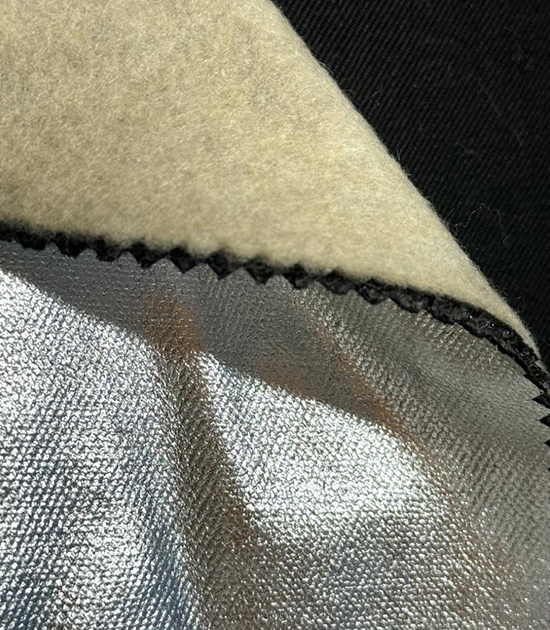
When combined with flame retardant material, carbon fiber fabric offers enhanced safety features. The addition of flame-resistant coatings or blends ensures that fabrics can withstand high temperatures and resist ignition. This combination is particularly valuable in industries such as aerospace, automotive, and manufacturing, where exposure to heat or sparks is a common concern. Using flame retardant material in carbon fiber textiles helps protect both personnel and equipment while maintaining the fabric's mechanical performance.
Another advantage of carbon fiber fabric is its versatility in technical textile production. It can be woven, layered, or combined with other materials to create fabrics that meet specific requirements. For instance, technical textile fabrics that incorporate carbon fiber can be engineered for flexibility, rigidity, or thermal insulation depending on the intended application. This adaptability allows manufacturers to design fabrics that perform reliably under varying conditions, from protective clothing to structural components.
In addition to strength and flame resistance, carbon fiber fabrics also offer resistance to chemical degradation and wear. When used in technical textile fabrics, carbon fiber maintains performance even in harsh environments, including exposure to oils, solvents, and moisture. This durability reduces maintenance needs and extends the service life of products, making carbon fiber fabrics a cost-effective solution over time.
The manufacturing process of carbon fiber fabrics is another factor contributing to their popularity. Advanced weaving and lamination techniques allow precise control over thickness, density, and reinforcement orientation. This enables the creation of technical textile fabrics that meet stringent specifications for strength, flexibility, and thermal resistance. Manufacturers can tailor carbon fiber fabric to suit applications such as protective suits, fire-resistant panels, or high-performance industrial filters.
The combination of flame retardant material and carbon fiber fabric supports sustainable practices in some applications. Since carbon fiber fabrics are long-lasting and highly durable, products made from them require fewer replacements, reducing material waste. Additionally, some technical textiles incorporating carbon fiber can be designed for recyclability, contributing to environmentally conscious manufacturing.
Carbon fiber fabric offers multiple advantages in technical textile applications, including high strength, lightweight properties, flame resistance, and chemical durability. When combined with flame retardant material, it enhances safety and reliability, while its adaptability allows for tailored solutions in diverse industries. By incorporating carbon fiber into technical textile fabrics, manufacturers can create products that meet demanding performance standards while supporting long-term durability and safety considerations.
LATEST POST
Let’s create something amazing together
contact us
-
 905, Yanxiang Technology Building, Binkang Road, Binjiang District, Hangzhou City, Zhejiang Province, China
 -
 +86-057186797597
 -
 +86-15658877105
 -

- QUICK LINKS
- Home
- About BlackFire
- Our Story
- FAQ
- QUICK LINKS
- Technology
- Application
- Contact Us
- NEWS & INSIGHTS
- Company News
- Industry News
Don't hesitate to contact when you need us!

