


 English
  عربى
عربى  中文简体
中文简体
How Do Carbon-Based Materials Enhance the Performance of Fireproof Textiles?
Fire safety continues to be a priority across industries, from construction and transportation to protective clothing. Among the innovations in this field, carbon-based materials have emerged as a key contributor to improved fireproof textiles. Products incorporating fireproof blanket material, innovation fabrics, and carbon fabric offer enhanced resistance to flames, higher durability, and better thermal management, making them valuable in both industrial and consumer applications.
Fireproof blanket material is commonly used to create protective layers that can withstand high temperatures and slow the spread of fire. When combined with carbon-based elements, the performance of these materials improves significantly. The carbon fibers embedded within the blanket provide additional thermal stability, ensuring that the material maintains its structural integrity even under extreme heat. This property is particularly useful for fire blankets, protective clothing, and insulation where consistent performance is critical.
Innovation fabrics that incorporate carbon-based materials are designed to address the challenges posed by modern fire hazards. By blending carbon fibers with traditional fire-resistant textiles, manufacturers can produce fabrics that not only resist ignition but also reduce heat transfer. These innovation fabrics are lightweight yet strong, making them suitable for applications such as firefighter uniforms, industrial protective gear, and fire-resistant upholstery. The ability to create flexible yet durable textiles allows designers to develop protective products that are both functional and comfortable for users.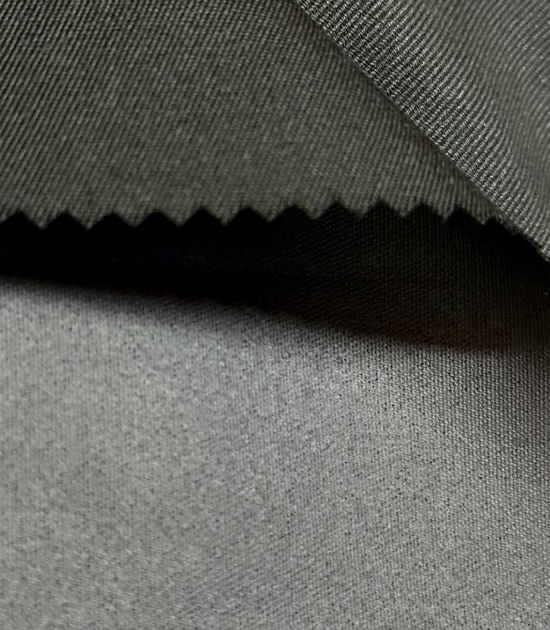
Another significant advantage of carbon fabric is its high thermal conductivity and structural resilience. Unlike conventional fireproof textiles, carbon-based fabrics can dissipate heat more effectively, which reduces the risk of localized burn-through. This makes them ideal for both blankets and garments intended for environments where rapid temperature changes or intense heat exposure may occur. Additionally, carbon fabric is resistant to chemical degradation, moisture, and abrasion, extending the lifespan of fireproof textiles and improving safety over time.
The integration of fireproof blanket material, innovation fabrics, and carbon fabric also offers benefits in terms of weight and versatility. Carbon-based fireproof textiles can achieve high levels of protection without becoming overly heavy or rigid. This is particularly important for protective clothing, where mobility and comfort are essential. In industrial settings, these materials can be applied to blankets, curtains, panels, or even technical uniforms, providing a flexible yet durable barrier against flames while accommodating various design and spatial requirements.
Carbon-based textiles also perform well in extreme conditions, such as high-temperature workshops, automotive fire protection, or aerospace applications. They can be tailored to meet specific thermal thresholds, allowing engineers to design solutions that address unique safety challenges. Combining innovation fabrics with fireproof blanket material ensures that these products remain effective even after repeated exposure to heat, making them reliable tools for both emergency response and routine industrial use.
Safety standards and testing protocols have increasingly recognized the advantages of carbon-based materials. By using innovation fabrics that incorporate carbon fibers, manufacturers can produce fireproof textiles that meet stringent regulatory requirements while offering enhanced performance. These textiles maintain their integrity during repeated use and exposure to harsh conditions, ensuring reliable protection for users over extended periods.
Carbon-based materials significantly enhance the performance of fireproof textiles by improving thermal resistance, structural stability, and durability. The combination of fireproof blanket material, innovation fabrics, and carbon fabric provides a practical and reliable solution for protective applications, from personal safety gear to industrial barriers. As fire hazards evolve, the adoption of carbon-based fireproof textiles allows industries and consumers to achieve better protection while maintaining comfort, flexibility, and long-term reliability.
LATEST POST
Let’s create something amazing together
contact us
-
 905, Yanxiang Technology Building, Binkang Road, Binjiang District, Hangzhou City, Zhejiang Province, China
 -
 +86-057186797597
 -
 +86-15658877105
 -

- QUICK LINKS
- Home
- About BlackFire
- Our Story
- FAQ
- QUICK LINKS
- Technology
- Application
- Contact Us
- NEWS & INSIGHTS
- Company News
- Industry News
Don't hesitate to contact when you need us!

