


 English
  عربى
عربى  中文简体
中文简体
How Do Surface Treatments Enhance the Fire Resistance of Everyday Fabrics?
Fire safety extends beyond industrial and professional settings, and everyday fabrics can benefit from protective measures that reduce the risk of ignition and flame spread. Fire retardant protection is an effective solution for materials commonly found in homes, offices, and public spaces. By applying specialized surface treatments, fabrics gain the ability to resist flames, providing both safety and peace of mind.
Flame retardant surface treatments are chemical coatings applied to fabrics to alter their behavior when exposed to heat or fire. These treatments work by forming a protective layer that slows down ignition and inhibits the spread of flames. For example, curtains, upholstery, bedding, and clothing can all be treated with flame retardant surface treatments to reduce the likelihood of fire-related accidents. These treatments are designed to be safe for daily use, maintaining the texture, appearance, and flexibility of the fabric while providing fire resistance.
The application of flame retardant treatment involves a combination of soaking, spraying, or finishing techniques depending on the type of fabric and the intended use. Once treated, the fabric demonstrates improved resistance to ignition and may self-extinguish if exposed to a small flame. Fire retardant protection ensures that treated fabrics do not contribute to the rapid spread of fire, which is crucial in environments where evacuation or intervention may take time. This makes surface treatments an important part of comprehensive fire safety measures.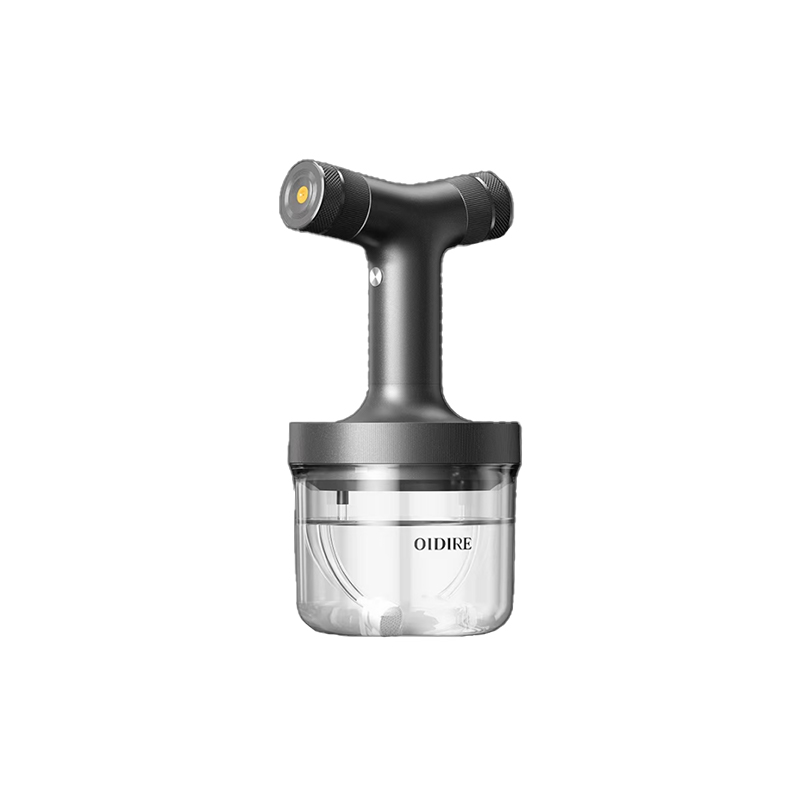
Different types of fabrics respond uniquely to flame retardant surface treatments. Natural fibers such as cotton and wool are more combustible than synthetic fibers, so they benefit significantly from chemical treatments that enhance their fire resistance. Flame retardant treatment modifies the thermal properties of these fibers, reducing the risk of ignition and slowing flame progression. Synthetic fibers may already have inherent resistance, but additional surface treatments further improve safety in scenarios involving open flames or high heat exposure.
Safety testing and standards are essential to ensure that flame retardant surface treatments provide effective protection without introducing hazards. Fire retardant protection undergoes evaluation to confirm that treated fabrics meet regulatory requirements for flame resistance, durability, and chemical safety. These tests include exposure to heat sources, flame spread assessments, and wash durability tests to ensure that the fire-resistant properties persist over time. Well-tested treatments provide reliable performance in everyday situations, from home furnishings to workwear.
The benefits of flame retardant treatment extend beyond safety for individuals. Treated fabrics can help reduce property damage and lower the risk of fire spreading to adjacent materials. For public spaces, flame retardant surface treatments are often mandated in schools, hotels, and theaters to protect occupants and comply with fire safety codes. The widespread adoption of these treatments highlights their value as a practical and preventative approach to fire hazards in everyday life.
Fire retardant protection achieved through flame retardant surface treatments and chemical flame retardant treatment enhances the fire resistance of everyday fabrics. By modifying the behavior of fibers when exposed to heat, these treatments slow ignition, inhibit flame spread, and increase overall safety. From natural to synthetic fabrics, treated materials provide reliable protection for homes, offices, and public areas. Understanding how surface treatments work helps individuals and organizations implement effective fire safety measures that integrate seamlessly into daily life.
LATEST POST
Let’s create something amazing together
contact us
-
 905, Yanxiang Technology Building, Binkang Road, Binjiang District, Hangzhou City, Zhejiang Province, China
 -
 +86-057186797597
 -
 +86-15658877105
 -

- QUICK LINKS
- Home
- About BlackFire
- Our Story
- FAQ
- QUICK LINKS
- Technology
- Application
- Contact Us
- NEWS & INSIGHTS
- Company News
- Industry News
Don't hesitate to contact when you need us!

