


 English
  عربى
عربى  中文简体
中文简体
What Innovations in Fire Retardant Technologies Improve Material Performance?
Fire safety in materials has become an essential consideration in industries ranging from construction to textiles and electronics. Modern applications require not only effective flame resistance but also minimal impact on the physical properties of materials. Recent developments in flame retardant compounds, fire retardant chemical technologies, and retardant chemicals have focused on improving performance while maintaining safety and environmental compliance. These innovations are transforming how manufacturers approach fire protection.
One significant advancement involves the formulation of flame retardant compounds that integrate seamlessly with a variety of materials. Unlike older methods, which often relied on surface coatings that could degrade over time, these compounds can be incorporated directly into polymers, textiles, and composites. By embedding flame-retardant properties within the material itself, flame retardant compounds maintain mechanical strength and flexibility, ensuring that the material continues to perform its intended function without compromise.
In parallel, fire retardant chemical technologies have evolved to offer safer and more efficient solutions. Traditional flame retardants sometimes contained halogen-based chemicals that could release toxic fumes when exposed to fire. Modern fire retardant chemical technologies employ alternatives that reduce environmental and health risks while delivering reliable flame resistance. Innovations in microencapsulation and nanotechnology allow retardant chemicals to be distributed more uniformly, enhancing performance without altering the material's appearance or texture.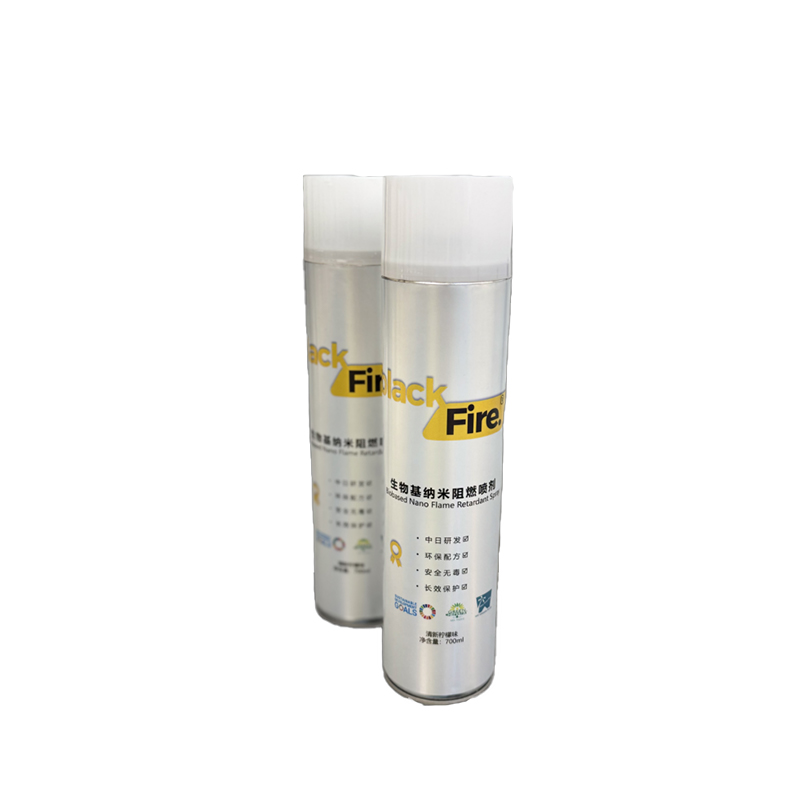
Another key development is the improvement of retardant chemicals for high-temperature and industrial applications. These chemicals are engineered to provide consistent protection under extreme conditions, such as in aerospace components, protective textiles, and electrical insulation. By tailoring retardant chemicals to specific operating environments, manufacturers can ensure that materials resist ignition and slow the spread of flames, which helps protect both equipment and personnel.
The efficiency of new fire retardant technologies also lies in their compatibility with multiple material types. Advances in flame retardant compounds and fire retardant chemical technologies allow seamless integration with plastics, fabrics, and foams without compromising flexibility or strength. This versatility makes it easier for industries to adopt safer materials without redesigning products or altering production processes. The combination of improved chemical formulations and advanced application methods ensures that materials meet performance standards while maintaining compliance with safety regulations.
Environmental considerations are another focus of recent innovations. Many retardant chemicals are now designed to reduce toxic byproducts and enhance recyclability. This approach aligns with growing demands for sustainable materials and supports regulatory frameworks that limit hazardous substances. By utilizing eco-conscious flame retardant compounds and technologies, manufacturers can produce materials that are both safe and environmentally responsible.
In addition to industrial applications, advances in fire retardant chemical technologies are also benefiting consumer products. Textiles, furniture, and electronics can now incorporate flame-resistant features without compromising comfort or aesthetics. The adoption of modern retardant chemicals ensures that fire protection is effective, unobtrusive, and durable, making everyday products safer for households and workplaces.
Innovations in flame retardant compounds, fire retardant chemical technologies, and retardant chemicals are significantly improving material performance across industries. By enhancing safety, preserving material properties, and addressing environmental concerns, these advancements provide reliable and versatile solutions for modern applications. The continuous evolution of fire retardant technologies ensures that materials can meet stringent performance standards while supporting both safety and sustainability objectives.
LATEST POST
Let’s create something amazing together
contact us
-
 905, Yanxiang Technology Building, Binkang Road, Binjiang District, Hangzhou City, Zhejiang Province, China
 -
 +86-057186797597
 -
 +86-15658877105
 -

- QUICK LINKS
- Home
- About BlackFire
- Our Story
- FAQ
- QUICK LINKS
- Technology
- Application
- Contact Us
- NEWS & INSIGHTS
- Company News
- Industry News
Don't hesitate to contact when you need us!

