


 English
  عربى
عربى  中文简体
中文简体
Custom Carbonlene Fabric
-
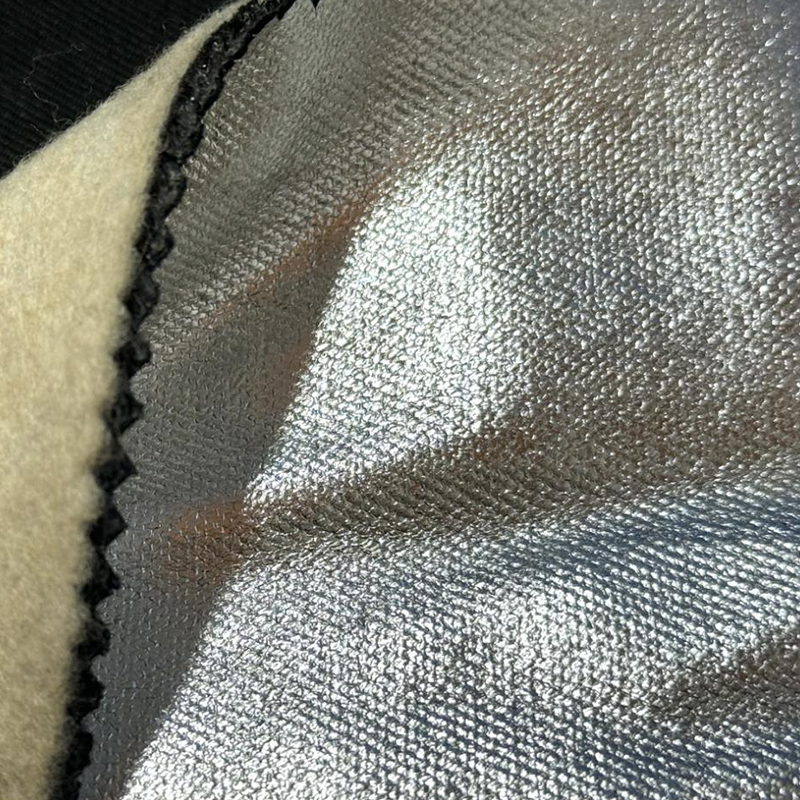
Pure Aluminum-coated Fabric 530g/㎡
-
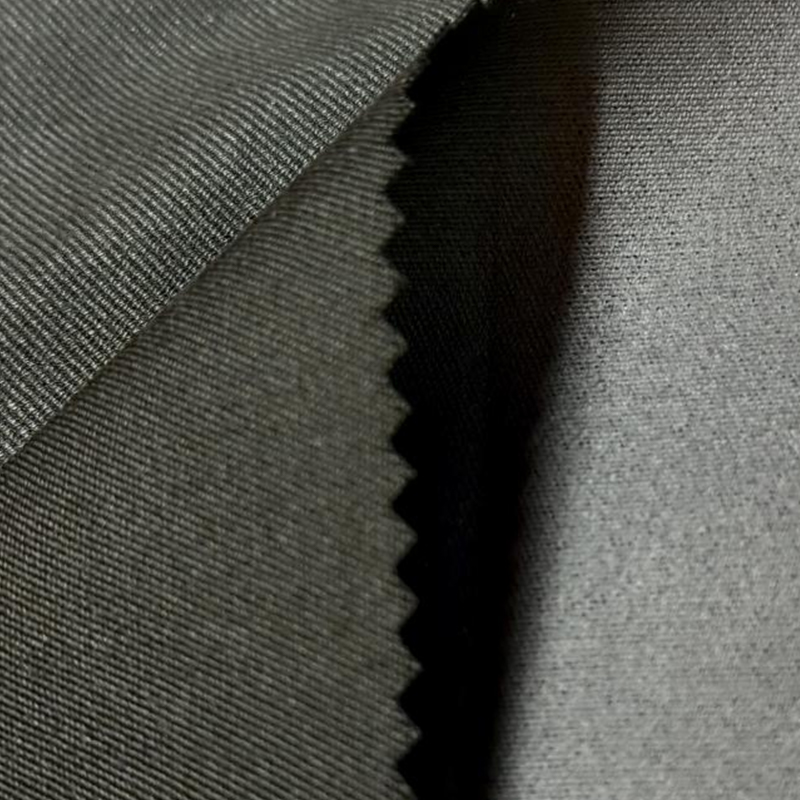
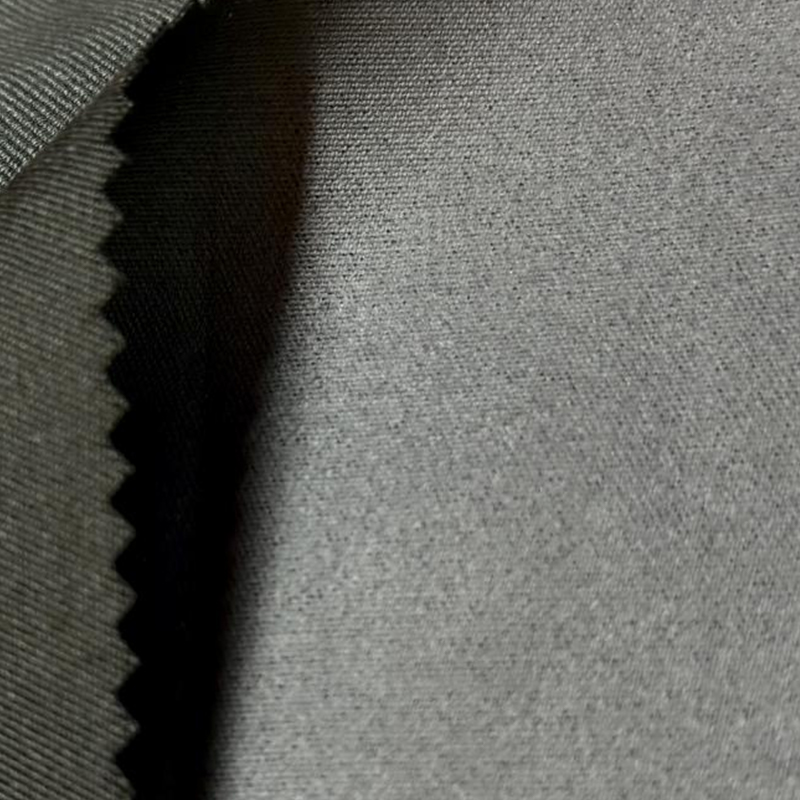
Anti Infrared Imaging Fabric
-
Anti Thermal iImaging Fabric
-
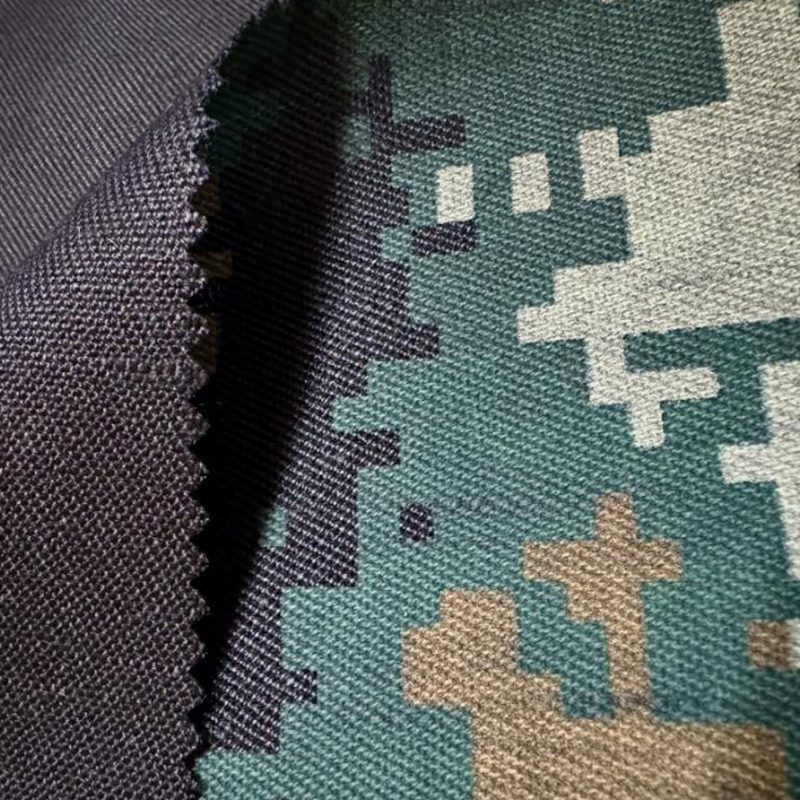
Camouflage Printed Fabric
-
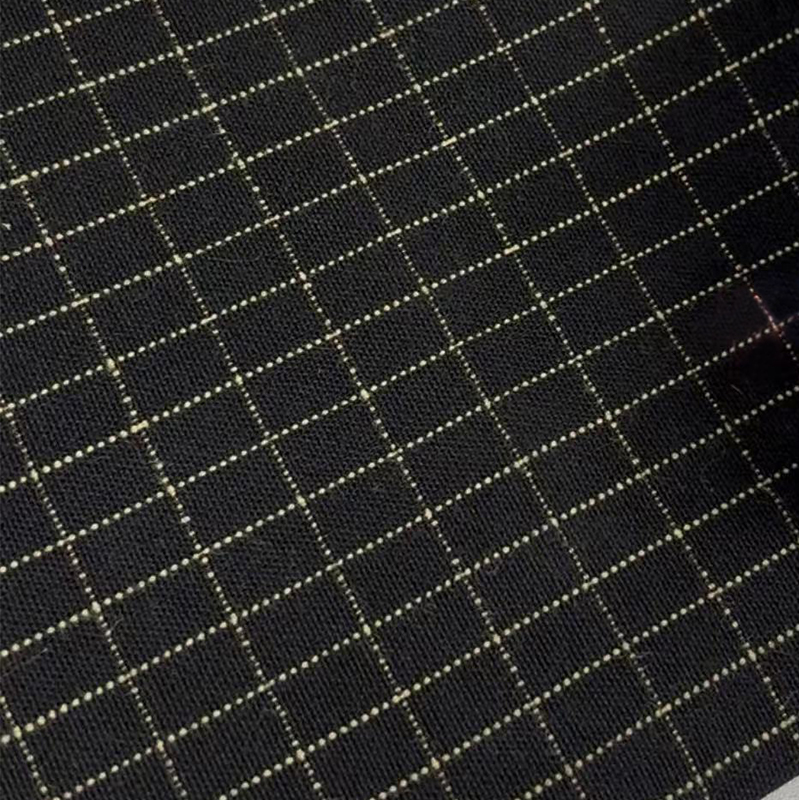
Aramid Mesh Fireproof Fabric
-
280 Composite Silicone Double-sided Carbonlene Flame Retardant Fabric
-
350 Environmentally-friendlyComposite Silicone Double-sided Carbonlene Flame Retardant Fabric
-
480 ReliableComposite Silicone Double-sided Carbonlene Flame Retardant Fabric
-
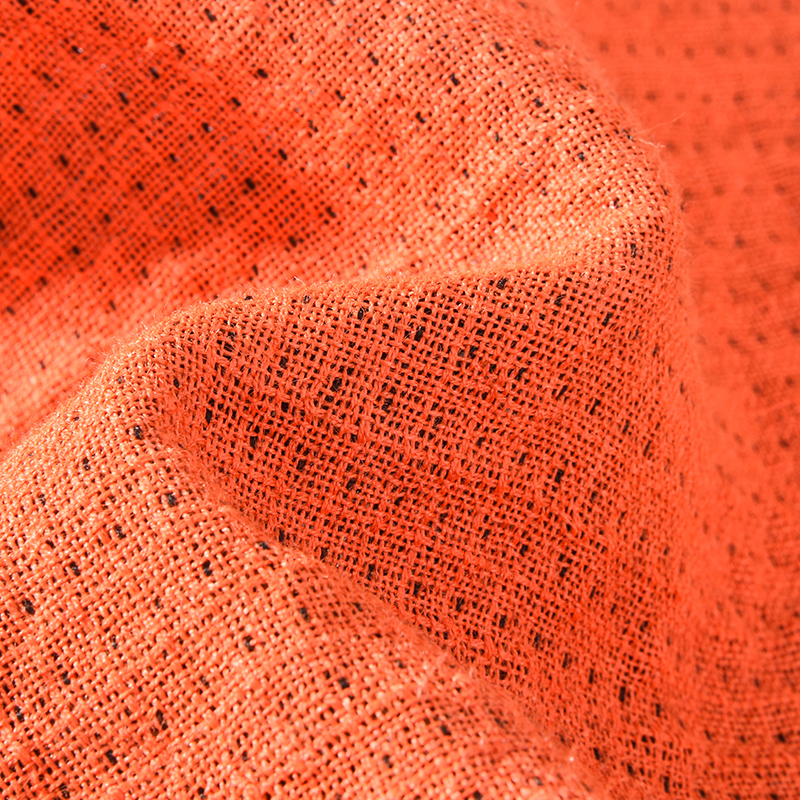
Orange-Red Two-Layer Fabric
-
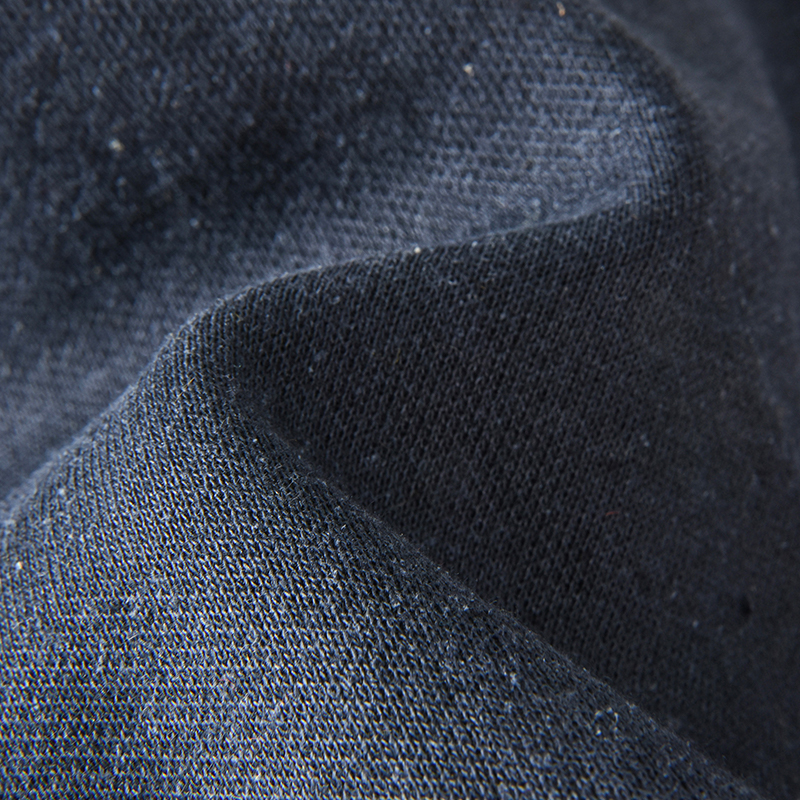
Navy Blue Two-Layer Fabric
-
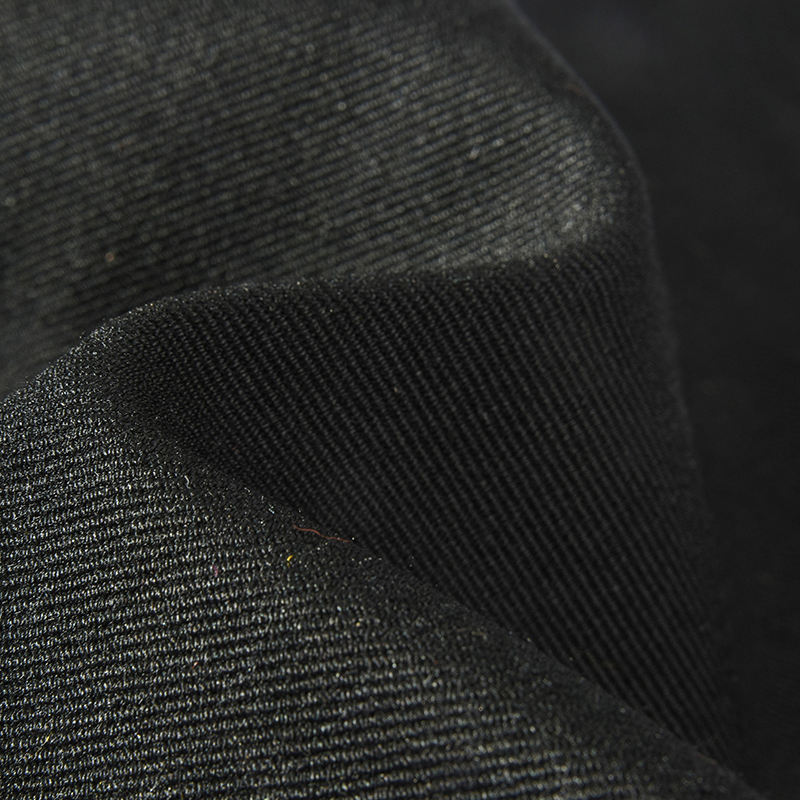
PTFE Coated Fabric
-
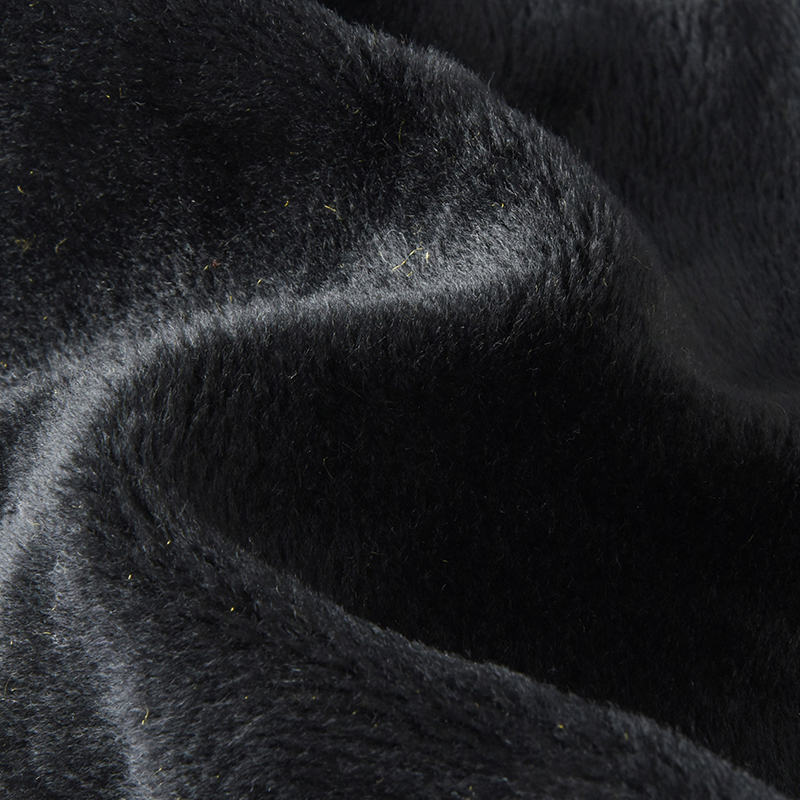
High Thermal Resistance Fabric
Honor
-
 Certificate of Honor
 -
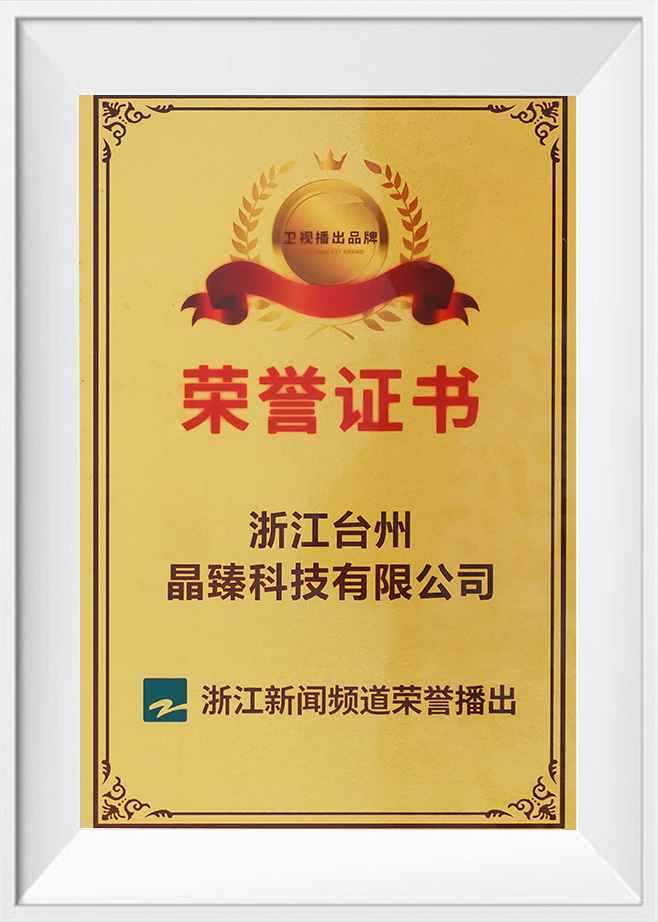 Certificate of Honor
 -
 China Central Television Advertising Broadcast Certificate
 -
 China Central Television Advertising Broadcast Certificate
News
-
Latest News 2026-07-13
Standards are the yardstick for industry progress. In the emerging field of functional composite fabrics, Blac...
View More -
Industry News 2026-07-10
Industrial workplaces often expose equipment and surrounding materials to continuous heat, temporary high temp...
View More -
Industry News 2026-07-03
Heat reaching fabric does not trigger a single instant reaction. Surface usually feels the change earlier, whi...
View More
Contact Us Now
Carbonlene Fabric Industry Knowledge Extension
Firefighting suit fabric refers to specialized textiles designed to protect firefighters from extreme heat and flames. These fabrics are engineered to resist ignition and reduce thermal transfer, allowing first responders to work safely in hazardous conditions. Firefighting suit fabric often incorporates multiple layers, including insulating materials, to provide both protection and comfort during prolonged exposure to fire.
Carbonlene fabric is commonly used in firefighting suits due to its durability and ability to maintain performance under high temperatures. The material's structure supports both flexibility and strength, making it suitable for active work environments where mobility is critical. In addition, Carbonlene fabric can withstand repeated washing and wear, ensuring that firefighting gear remains reliable over time.
Why Are Fireproof and Heat-Insulating Fabrics Important?
Fireproof and heat-insulating fabrics are essential for industries where personnel face high-temperature hazards. These textiles not only prevent flames from spreading but also reduce heat penetration, protecting the wearer from burns. Fireproof and heat-insulating fabric is widely applied in firefighting, welding, and other industrial sectors where heat exposure is frequent.
The performance of fireproof and heat-insulating fabrics relies on the combination of fire-resistant fibers and insulating layers. By integrating Carbonlene fabric, manufacturers can produce materials that balance thermal protection with durability, extending the lifespan of protective clothing and improving overall workplace safety. Additionally, these fabrics are designed to be breathable, ensuring that workers remain comfortable during long hours of wear.
How Does Fireproof Workwear Fabric Differ from Standard Fabrics?
Fireproof workwear fabric is specifically engineered to withstand high temperatures and resist ignition, distinguishing it from conventional textiles. Workers in industries such as petrochemicals, metal processing, and construction benefit from fireproof workwear fabric, which reduces the risk of injury in fire-prone environments.
Fireproof workwear fabric is often tested under rigorous safety standards to ensure compliance and performance. Using Carbonlene fabric in these applications enhances both flame resistance and mechanical strength, providing long-lasting protection without compromising comfort or mobility. Its resistance to tearing and fraying also makes it ideal for demanding industrial tasks.
What Are the Key Applications of Fire-Resistant Fabrics?
Fire-resistant fabrics are used in a variety of protective clothing and industrial applications. Firefighting suit fabric, fireproof and heat-insulating fabrics, and fireproof workwear fabric are all critical in environments where flames and heat are a constant risk. These materials are also utilized in insulation layers, protective covers, and specialty industrial garments to enhance safety.
Carbonlene fabric plays a central role in these applications, offering a reliable base for weaving or knitting fire-resistant textiles. Its adaptability allows manufacturers to tailor fabric properties to specific operational needs, whether that involves extra insulation, lightweight design, or enhanced durability for repeated use. Moreover, Carbonlene fabric supports a wide range of finishes and coatings, enabling manufacturers to meet both functional and aesthetic requirements.
What Should Manufacturers Consider When Producing Fire-Resistant Fabrics?
Manufacturers producing fire-resistant fabrics must carefully select yarns and materials that meet both regulatory standards and practical requirements. Carbonlene fabric is a preferred choice for its consistent performance under heat and flame. Alongside proper material selection, production processes such as weaving density, layer composition, and quality control are crucial for ensuring reliable protection.
Balancing safety, comfort, and cost is essential. By focusing on fireproof workwear fabric, firefighting suit fabric, and fireproof and heat-insulating fabrics, companies can deliver products that provide protection without restricting movement or functionality. Continuous testing, adherence to safety standards, and evaluation of material longevity help maintain high-quality fire-resistant fabrics across diverse industrial applications, ensuring that workers remain protected in all situations.

-
 905, Yanxiang Technology Building, Binkang Road, Binjiang District, Hangzhou City, Zhejiang Province, China
 -
 +86-057186797597
 -
 +86-15658877105
 -

- QUICK LINKS
- Home
- About BlackFire
- Our Story
- FAQ
- QUICK LINKS
- Technology
- Application
- Contact Us
- NEWS & INSIGHTS
- Company News
- Industry News

