

 English
  عربى
عربى  中文简体
中文简体
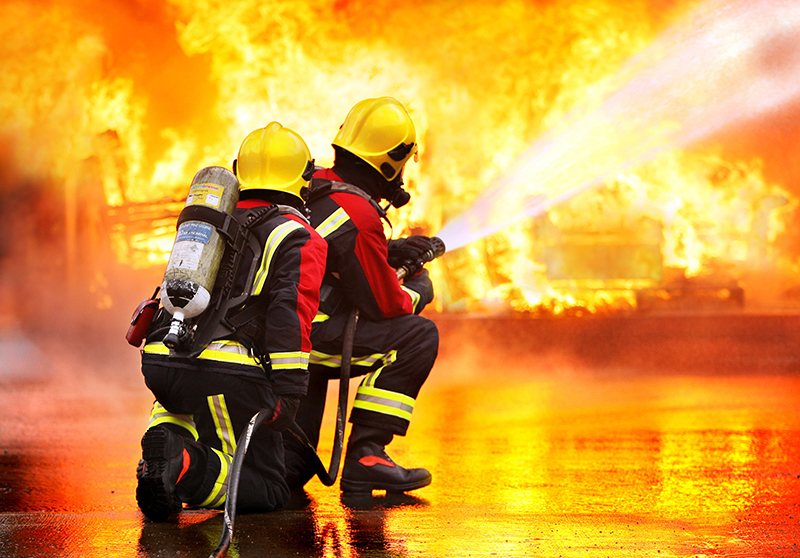
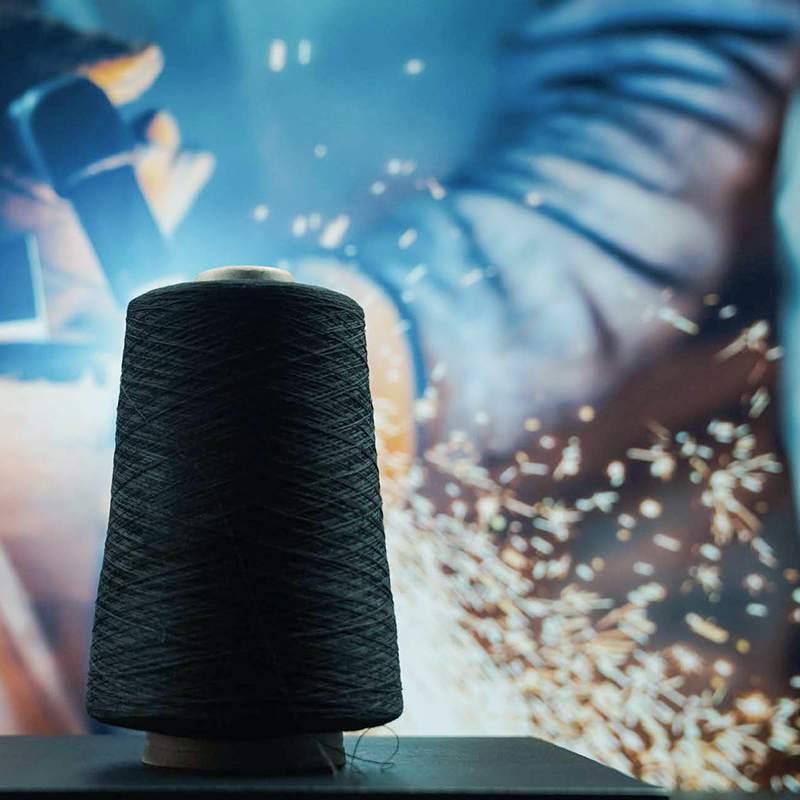
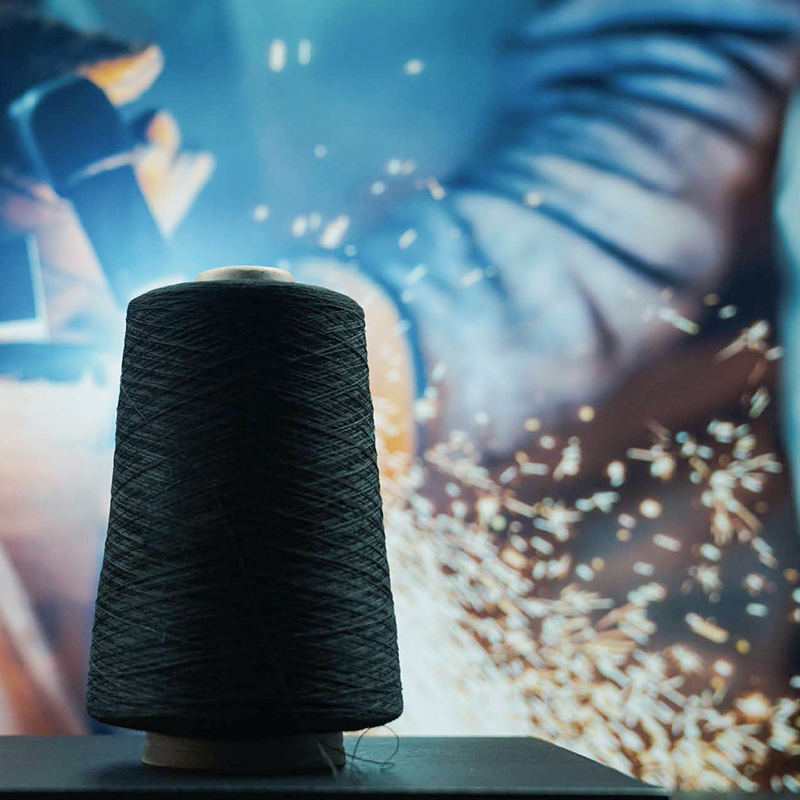
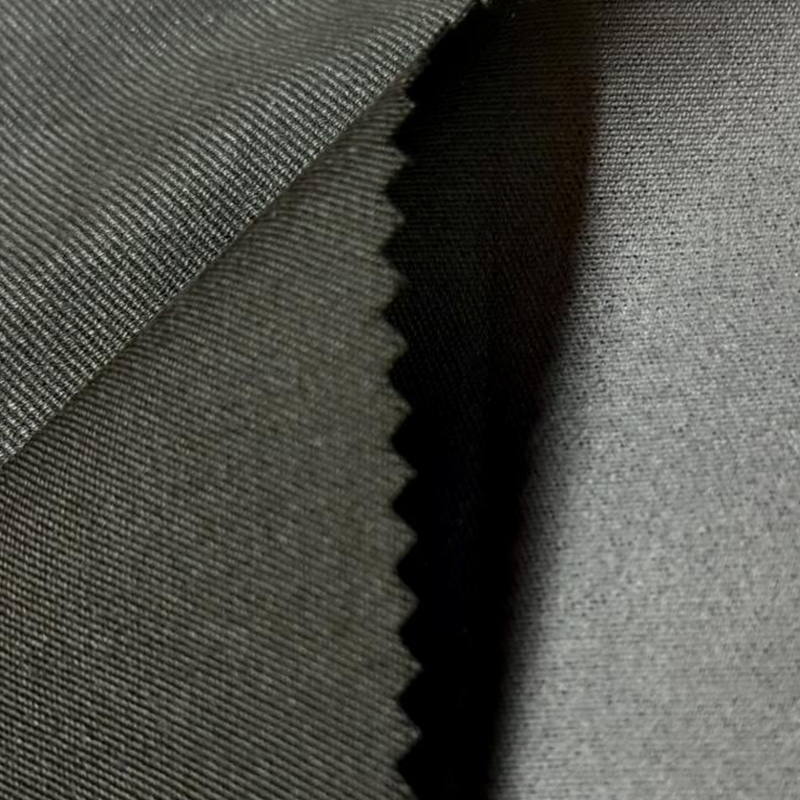
Below is an analysis of the core application scenarios, performance advantages, and technical value of carbon fiber fabric in emergency firefighting, elaborating on its characteristics such as high temperature resistance, flame retardancy, and high strength:
1. Firefighting Protective Equipment
Application Scenarios:
- Fire suits (outer protective layer, thermal insulation layer)
- Fire helmet linings, gloves, boot covers
- Emergency rescue suits, hazmat (hazardous material handling) protective clothing
Core Value:
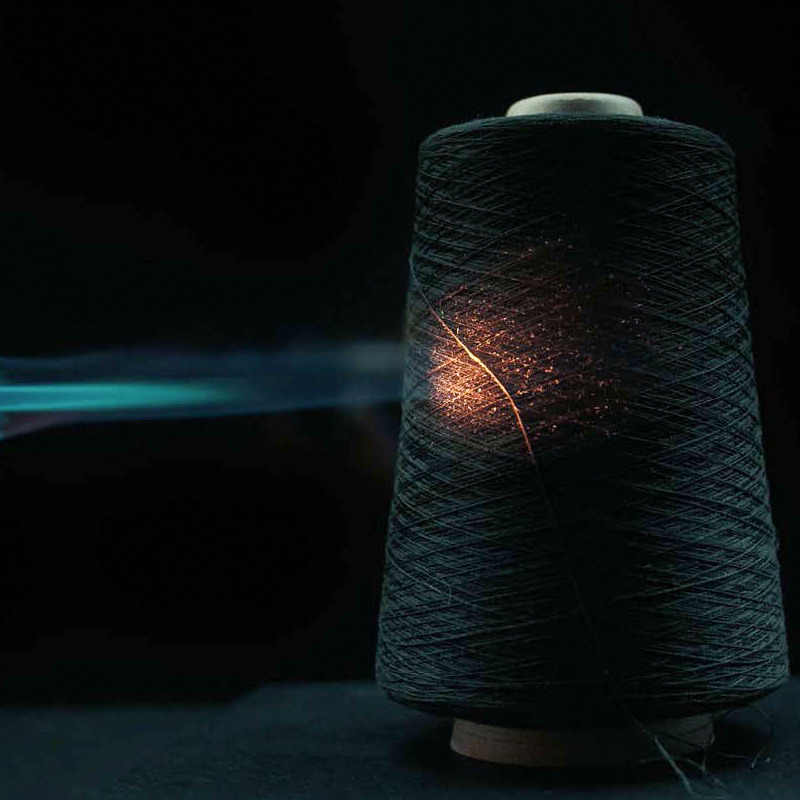
- Ultra-High Temperature Protection: With a temperature resistance of over 500°C, far exceeding traditional aramid fabrics (approximately 300°C), it defends against high-temperature flames, thermal radiation, and electric arc hazards in fire scenes, buying more rescue time for firefighters.
- High-Efficiency Flame Retardancy and Low Smoke Toxicity: Passes vertical combustion tests (e.g., ASTM D6413), with no melting drops and low smoke emission during combustion, reducing the risk of toxic gas inhalation and meeting strict standards such as NFPA 1971 (National Fire Protection Association).
- Lightweight and Comfort: 40%-60% lighter than metal or ceramic-based protective materials, reducing physical exertion for firefighters and enhancing mobility (e.g., integrated vent designs optimize heat and moisture management).
2. Firefighting Facilities and Equipment
Application Scenarios:
- High-temperature-resistant sheaths for fire hoses and cables
- Protective casings for firefighting robots
- Temporary fire isolation barriers, fire curtains
Core Value:
- Structural Stability: Maintains mechanical strength in high-temperature environments, preventing traditional rubber sheaths from softening and causing hose bursts or circuit short-circuits (e.g., used for fire-resistant protection of vertical pipes in high-rise buildings).
- Impact and Puncture Resistance: As a casing material for firefighting robots, it can withstand falling object impacts or sharp object punctures, ensuring equipment reliability in complex fire scenes.
- Rapid Deployment: Flexible carbon fiber fire curtains can be quickly deployed to form isolation barriers, blocking fire spread paths (e.g., for emergency separation in crowded places like subways and shopping malls).
3. Special Fire Rescue
Application Scenarios:
- Chemical fires (chemical corrosion resistance)
- Electrical fires (insulation and flame retardancy)
- Forest fires (lightweight rapid response)
Core Value:
- Chemical Protection Compatibility: Resists erosion from gasoline, strong acids, and alkalis, suitable for protecting firefighters in high-risk scenarios such as oil tank leaks and chemical plant explosions.
- Insulation and Anti-Static Properties: Blocks current conduction and dissipates static electricity, preventing secondary explosions at electrical fire sites (e.g., combined with metal coatings for electromagnetic shielding in high-voltage environments).
- Environmental Adaptability: Moisture-resistant and UV-aging-resistant, it can be stored long-term in extreme climates (e.g., tropical rainforests, arid grasslands), meeting the rapid deployment needs of forest firefighting.
4. Emergency Rescue and Escape Systems
Application Scenarios:
- Ropes and safety harnesses for high-rise escape descenders
- Emergency blankets, temporary shelter tents
- Packaging materials for firefighting drones
Core Value:
- High-Strength Load-Bearing: With a tensile strength of over 3000MPa, carbon fiber ropes can bear 5-8 times the weight of traditional nylon ropes, ensuring the safety of high-rise emergency evacuations.
- Thermal Insulation and Heat Reflection: Emergency blankets with composite aluminum film (heat reflectivity >95%) can reflect fire heat, reducing the risk of hypothermia or burns for trapped personnel.
- Aviation-Grade Lightweight Design: Carbon fiber packaging materials for drone-transported firefighting supplies reduce payload weight and improve airdrop efficiency (e.g., for emergency material delivery in earthquake-stricken areas).
5. Firefighting Training and Simulation Equipment
Application Scenarios:
- High-temperature simulation training suits
- Fire escape drill tents
- Firefighting equipment test models
Core Value:
- Enhanced Training Realism: High-temperature-resistant carbon fiber training suits can simulate fire scene heat (e.g., with built-in heating modules), helping firefighters adapt to extreme conditions and strengthen emergency response capabilities.
- Reusability: Drill tents made of flame-retardant carbon fiber fabric can withstand thousands of simulated combustion tests, with a service life over 10 times that of traditional PVC materials, reducing training costs.
Technical Advantage Comparison (vs Traditional Firefighting Materials)
| Performance Index | Traditional Materials (Aramid, Asbestos) | Carbon Fiber Fabric |
|---|---|---|
| Maximum Temperature Resistance | 260-300°C | 500-600°C (in air environment) |
| Thermal Radiation Reflectivity | <60% | >95% (after composite aluminum film) |
| Smoke Toxicity Rating | SDR 2-3 (moderate toxicity) | SDR 1 (low toxicity) |
| Spinnability and Processing Cost | High yarn breakage rate (>5%), high cost | Yarn breakage rate <1%, low scalable production cost |
Future Development Directions
- Intelligent Integration: Develop "smart fire suits" combined with sensors to monitor real-time data such as temperature and gas concentration, transmitting signals through the conductive properties of carbon fiber fabric.
- Bio-Based Sustainability: Produce flame-retardant carbon fiber using renewable raw materials like chitosan, reducing reliance on petroleum-based materials and aligning with eco-friendly firefighting trends.
- Multifunctional Composite Design: Develop integrated fabrics with "flame retardancy + self-healing + antibacterial" properties to meet multiple protection needs in complex rescue environments (e.g., epidemic prevention scenarios after earthquakes).