

 English
  عربى
عربى  中文简体
中文简体
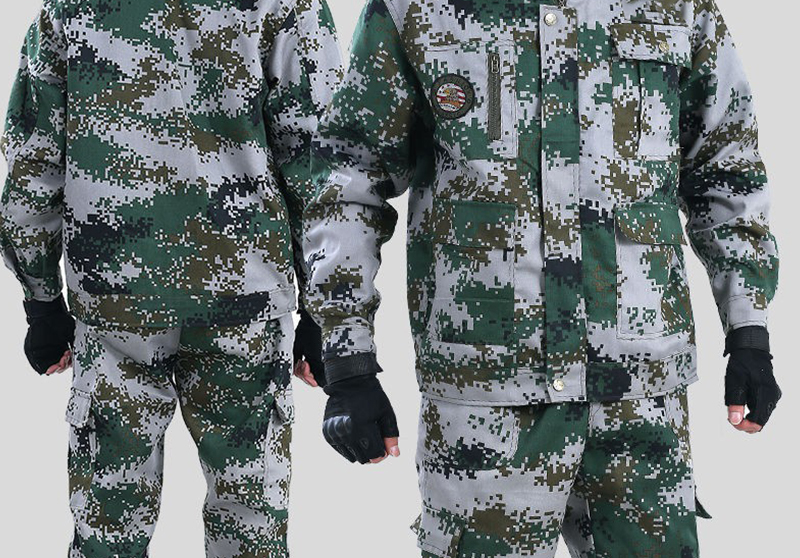
Below is an analysis of the core application scenarios, performance advantages, and technical value of carbon fiber fabric in military fields, highlighting its high strength, high temperature resistance, flame retardancy, lightweight design, and multifunctional protection capabilities:
1. Individual Soldier Protection Equipment
Application Scenarios:
- Ballistic flame-retardant combat uniforms (outer protective layer)
- Explosion-proof helmet linings, tactical gloves, boot covers
- Nuclear, biological, and chemical (NBC) protection suits
Core Value:
- Composite Protection Capability: When combined with Kevlar fibers, carbon fiber fabric can withstand impacts from 7.62mm rifle bullets (meeting NIJ III-level protection standards) while resisting flame combustion (flame retardancy meets MIL-F-24824 military standards), addressing multi-threat protection needs on the battlefield.
- Low-Smoke and Halogen-Free Properties: Releases no toxic halogens when burned, complying with environmental safety requirements in enclosed spaces (e.g., tank cabins, submarines) and reducing risks of non-combat casualties.
- Lightweight Advantage: 30%-50% lighter than traditional all-metal bulletproof vests at the same protection level, enhancing soldiers’ mobility (e.g., modular designs allow quick replacement of damaged parts).
2. Military Vehicle and Equipment Protection
Application Scenarios:
- Flame-retardant materials for armored vehicle interiors (seats, cabin walls)
- Explosion-proof layers for military truck fuel tanks
- Fire-resistant coatings for drone fuselages
Core Value:
- Impact and Explosion Resistance: As a fuel tank lining, the fabric’s high-strength fiber mesh can suppress explosion shockwaves and fragment splashing, reducing the risk of secondary explosions caused by fuel leaks (suitable for armored vehicles and missile launchers).
- High-Temperature Environmental Stability: Used in high-temperature areas such as engine compartments, it can withstand continuous temperatures above 300°C, preventing oil leaks or circuit failures caused by aging of traditional rubber seals (e.g., for helicopter transmission protection).
- Radar Stealth Compatibility: After nano-coating treatment, it can absorb specific frequency bands of radar waves, reducing vehicle detectability under infrared/radar detection (suitable for special reconnaissance vehicles).
3. Aerospace Military Equipment
Application Scenarios:
- Flame-retardant linings for fighter jet cockpits
- Thermal insulation layers for missile launch tubes
- Thermal protection blankets for military satellites
Core Value:
- Aviation-Grade Temperature Resistance: Can withstand the instant high temperature (over 2000°C) of missile exhaust flames. As a launch tube lining, it protects the structural safety of the launcher through thermal reflection and insulation designs (e.g., for shipborne missile vertical launch systems).
- Extreme Environment Tolerance: Maintains mechanical stability in a wide temperature range from -196°C (liquid nitrogen environment) to +600°C, suitable for thermal control systems in spacecraft exteriors (e.g., protection for satellite attitude adjustment engines).
- Radiation and Impact Resistance: Combined with metal oxides, it can shield cosmic rays and space debris impacts, extending satellite service life (e.g., as external wrapping materials for the International Space Station).
4. Military Engineering and Special Facilities
Application Scenarios:
- Fireproof partitions for underground bunkers
- Anti-static and moisture-proof felts for ammunition depots
- Load-bearing structures for temporary military bridges
Core Value:
- Integrated Explosion and Fire Protection: Using carbon fiber anti-static felts in ammunition depots can dissipate static electricity from friction while serving as fire barriers to block flame spread, complying with MIL-STD-1295 ammunition storage safety specifications.
- Rapid Deployment Capability: Modular carbon fiber bridge components weigh <50 kg each, can be quickly assembled by individual soldiers, and have a load-bearing capacity of over 20 tons, meeting emergency river-crossing needs in field environments.
- Chemical Corrosion Resistance: Withstands military fuels, lubricants, and chemical warfare agents, suitable as sealing materials for biochemical protection works (e.g., filter layers for nuclear facility ventilation systems).
5. Military Training and Camouflage Equipment
Application Scenarios:
- High-temperature simulation training suits (with built-in heating modules)
- Digital camouflage flame-retardant camouflage nets
- Lightweight skeletons for tactical backpacks
Core Value:
- Realistic Training Scenarios: High-temperature-resistant carbon fiber training suits can simulate battlefield fire environments (e.g., paired with VR systems), enhancing soldiers’ tactical discipline under extreme conditions.
- Multi-Band Camouflage Performance: Digital camouflage coatings are compatible with visible light, infrared, and radar multi-band stealth requirements. The camouflage net has an emissivity <0.3 in the 8-14μm infrared band, effectively evading thermal imaging reconnaissance.
- Structural Support Enhancement: Tactical backpacks with carbon fiber skeletons reduce shoulder pressure by 40% when carrying 60 kg of equipment, compared to traditional nylon backpacks, minimizing soldier fatigue during long marches.
Technical Advantage Comparison (vs Traditional Military Materials)
| Performance Index | Traditional Materials (Nylon, Fiberglass) | Carbon Fiber Fabric |
|---|---|---|
| Specific Strength (MPa·m/kg) | 200-300 | 500-800 (close to carbon fiber composites) |
| Flame Resistance Time | <30 seconds (vertical combustion test) | >120 seconds (meets MIL-F-5059C standard) |
| Radar Cross-Section (RCS) | 0.1-0.5㎡ (vehicle level) | <0.01㎡ (after coating treatment) |
| Service Life | 3-5 years (outdoor environment) | Over 10 years (UV aging resistance) |
Future Development Directions
- Nanotechnology Integration: Develop carbon fiber/graphene composite fabrics to enhance electrical and thermal conductivity for electromagnetic pulse protection (EMP) equipment and thermal management systems.
- Bio-Inspired Design: Mimic polar bear hair structures to create hollow carbon fiber, improving thermal insulation while maintaining lightweight properties (suitable for arctic combat uniforms).
- Degradable Military Applications: Produce disposable camouflage nets from chitosan-based carbon fiber, which can naturally degrade after missions, reducing battlefield environmental pollution.