

 English
  عربى
عربى  中文简体
中文简体
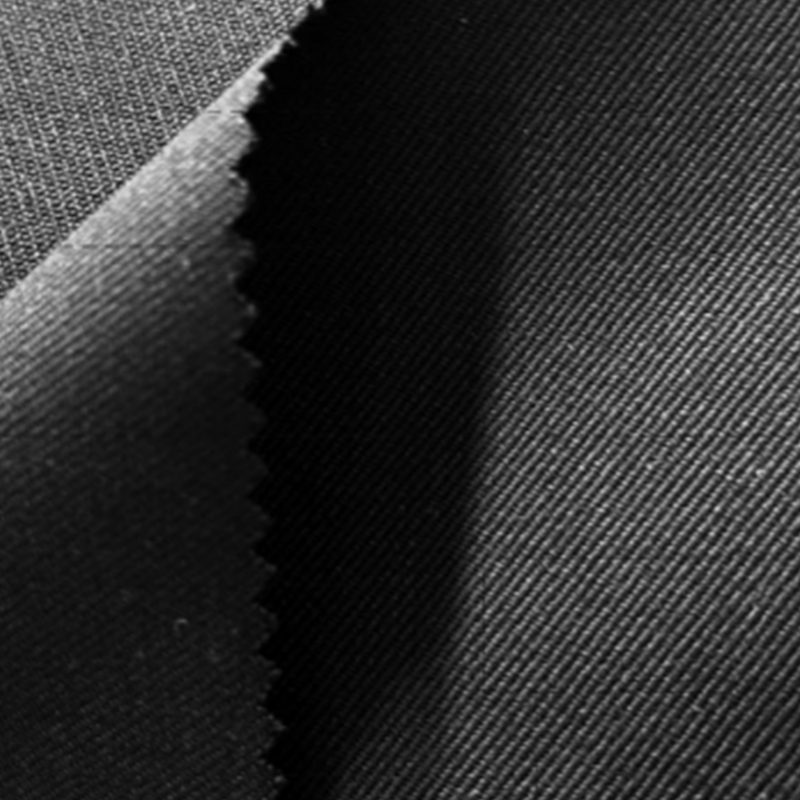
Below is an analysis of typical industrial applications and characteristics of carbon fiber fabric in industrial spaces, elaborating on its core properties (such as high temperature resistance, flame retardancy, high strength, and chemical corrosion resistance):
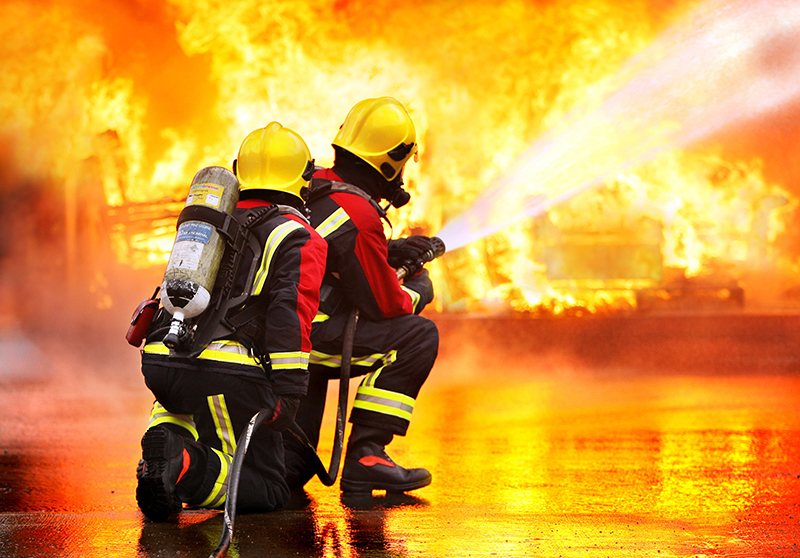
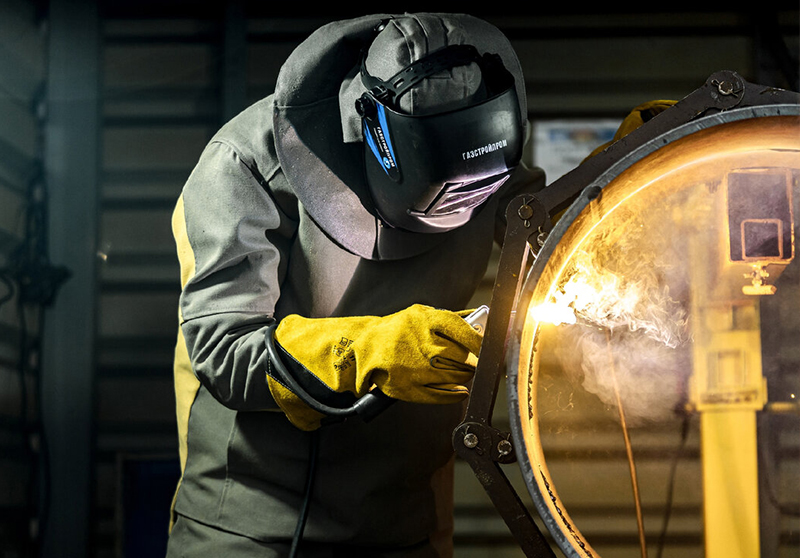
1. Industrial Protection
Application Scenarios: Protective clothing, gloves, goggles, etc., in high-risk environments such as chemical, metallurgical, power, and oil & gas industries.
Core Value:
Core Value:
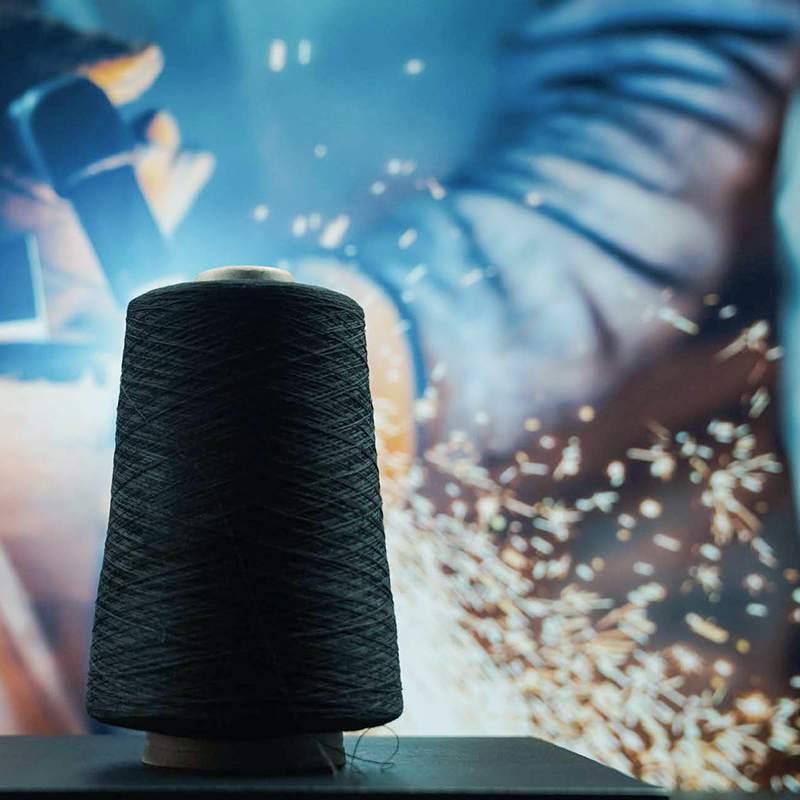
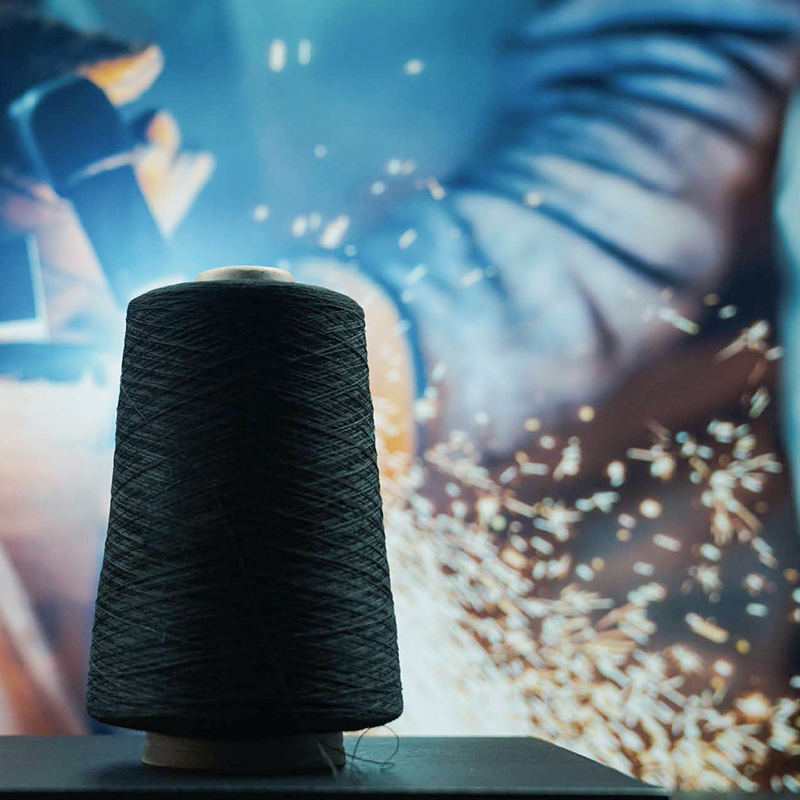
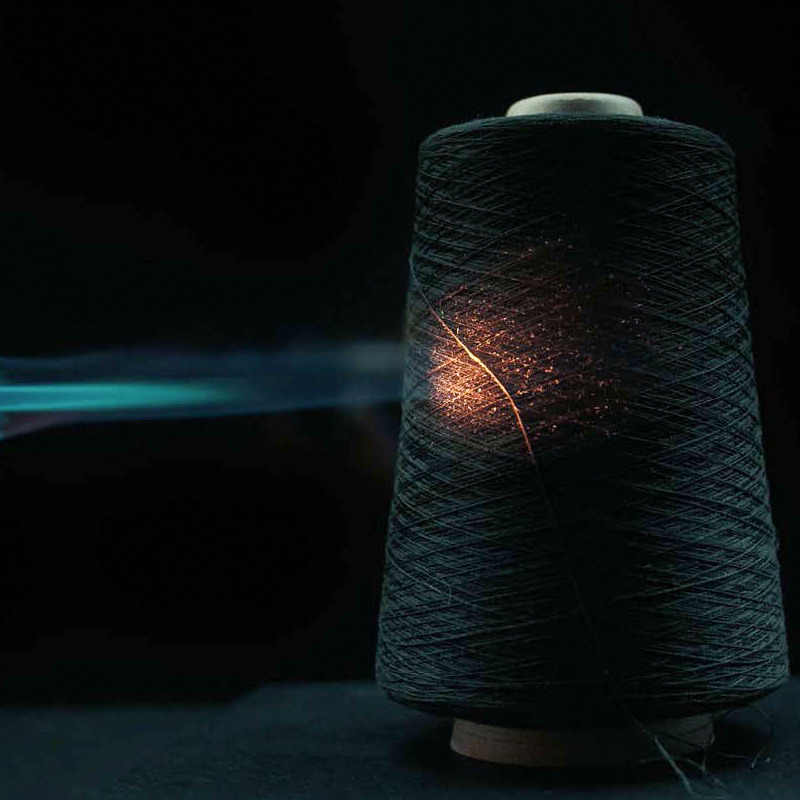
- High Temperature Resistance & Flame Retardancy: The fabric’s ultra-high heat resistance defends against industrial flames, electric arcs, and thermal radiation, reducing burn risks for workers.
- High Strength & Tear Resistance: Meets (abrasion resistance) and impact resistance requirements in industrial settings, extending the service life of protective equipment.
- Chemical Corrosion Protection: Withstands erosion from acids, alkalis, and organic solvents, suitable for highly corrosive environments like chemical workshops.
2. High-Temperature Equipment Insulation and Sealing
Application Scenarios: Insulation layers for industrial furnaces and pipelines, sealing components for high-temperature equipment, and thermal insulation materials for engine compartments.
Core Value:
Core Value:
- Efficient Thermal Insulation: Blocks high-temperature conduction, maintains safe surface temperatures of equipment, and reduces energy loss (e.g., boiler insulation to minimize heat dissipation).
- Aging Resistance & Stability: Maintains structural integrity under long-term high temperatures, avoiding performance degradation or safety hazards caused by aging in traditional materials (e.g., asbestos).
- Lightweight Advantage: Lighter than metal or ceramic insulation materials, facilitating installation and maintenance (e.g., engine thermal insulation components in aerospace).
3. Electronics and Semiconductor Industry
Application Scenarios: High-temperature insulation layers for precision electronic devices, electrostatic protection materials in semiconductor manufacturing cleanrooms, and flame-retardant separators for battery packs.
Core Value:
Core Value:
- Insulation & Anti-Static Properties: The fabric’s conductivity effectively dissipates static electricity, preventing damage to electronic components (suitable for chip production cleanrooms).
- Flame Retardancy & Safety: As a battery pack separator, it suppresses thermal runaway propagation, enhancing fire safety in new energy devices (e.g., energy storage systems).
- High-Frequency Radiation Resistance: Withstands electromagnetic radiation effects on material performance in radar, microwave equipment, and other scenarios.
4. Aerospace and Rail Transportation
Application Scenarios: Flame-retardant materials for aircraft interiors, fireproof partitions for high-speed rail carriages, and thermal protection layers for spacecraft.
Core Value:
Core Value:
- Aviation-Grade Flame Retardancy Standards: Meets aviation flame retardancy specifications (e.g., FAR 25.853), reducing fire risks (e.g., aircraft seat fabrics, cabin wall linings).
- Lightweight & High Strength: Reduces overall vehicle weight (e.g., replacing traditional metal fireproof layers) while enhancing structural strength (suitable for high-speed rail body skeleton reinforcement).
- Extreme Environment Resistance: Maintains stable performance under harsh conditions like high/low temperature cycles and strong UV radiation, suitable for aerospace exterior protection.
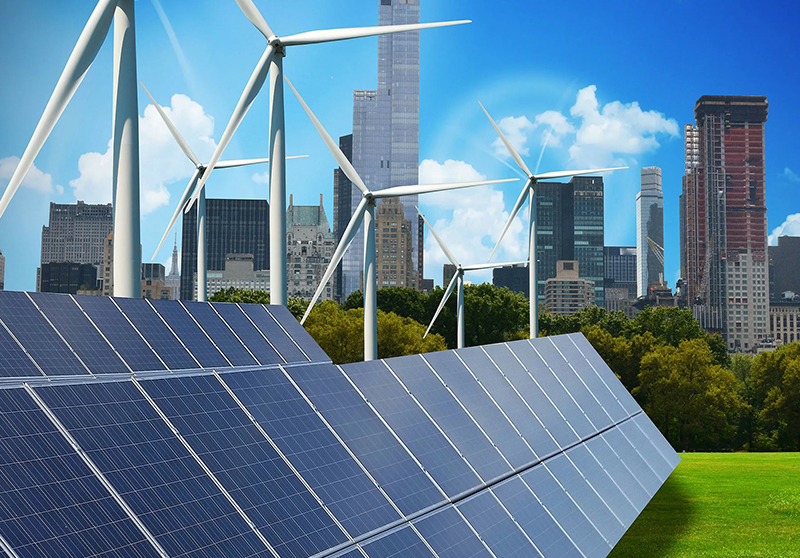
5. Environmental Protection and Renewable Energy
Application Scenarios: Filter materials for industrial waste gas treatment equipment, high-temperature-resistant cable sheaths for photovoltaic power plants, and flame-retardant components for wind turbines.
Core Value:
Core Value:
- Efficient Filtration & Corrosion Resistance: Used in dust filter bags for chemical waste gas treatment, resisting strong acid/alkali gas corrosion and improving environmental equipment efficiency.
- Renewable Energy Adaptability: In photovoltaic and wind power equipment, the fabric’s weather resistance and flame retardancy ensure long-term outdoor safety (e.g., flame-retardant layers for wind turbine blades).
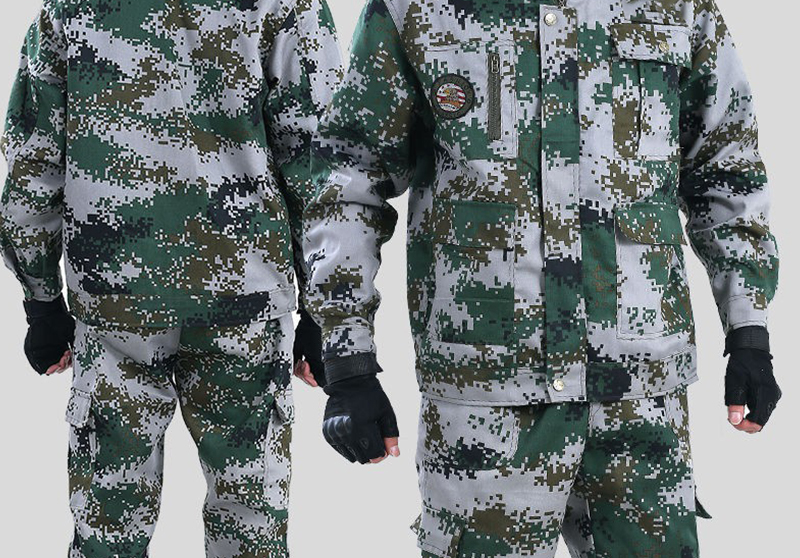
6. Military and Special Industries
Application Scenarios: Flame-retardant interiors for military vehicles, protective materials for radar equipment, and radiation shielding layers for nuclear industries.
Core Value:
Core Value:
- Military-Grade Protection Standards: Meets multiple requirements for bulletproof, stab-resistant, and flame-retardant properties (e.g., military tents, individual combat gear).
- Radiation Shielding Capability: Combined with metal coatings, it can be used for radiation protection in nuclear facilities, reducing occupational exposure risks.
Technical Advantage Comparison of Carbon Fiber Fabric
| Performance Dimension | Traditional Materials (e.g., Aramid, Fiberglass) | Carbon Fiber Fabric |
|---|---|---|
| Upper Temperature Limit | Typically below 300°C | Withstands ultra-high temperatures above 500°C |
| Flame Retardancy Rating | Mostly achieves UL94 V-0 standard | Passes stricter vertical combustion tests (e.g., aviation standards) |
| Environmental Friendliness | Contains halogenated or non-degradable components in part | Recyclable bio-based raw materials, low pollution |
| Processing Adaptability | High spinning difficulty, prone to yarn breakage | Solves skin-core structural differences, excellent spinnability |
Future Trends
With the intelligent and green transformation of industries, carbon fiber fabric will develop toward multifunctional composite capabilities (e.g., flame retardancy + conductivity + self-healing) and bio-based sustainability (using renewable raw materials like chitosan). It will further penetrate into cutting-edge fields such as hydrogen energy equipment and deep-sea exploration, driving technological innovation in industrial materials.