

 English
  عربى
عربى  中文简体
中文简体
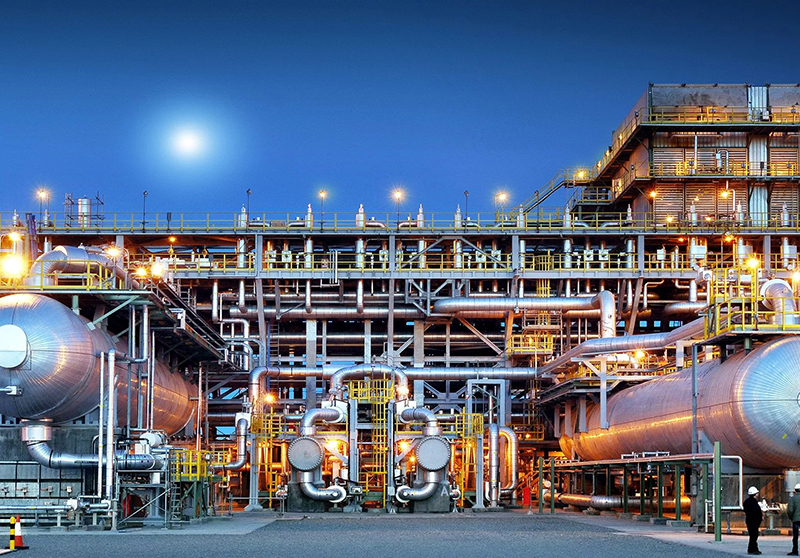
Carbon fiber fabric’s exceptional corrosion resistance, chemical inertness, high-temperature stability, and mechanical strength make it a critical material in the chemical industry, where harsh environments (e.g., corrosive chemicals, extreme temperatures, high pressure) demand specialized solutions. Below is a detailed analysis of its key applications and technical advantages:
1. Corrosion-Resistant Equipment and Vessels
Core Applications:
- Chemical reaction vessels, storage tanks, and pipelines for aggressive fluids (e.g., sulfuric acid, hydrochloric acid, sodium hydroxide).
- Linings and coatings for pumps, valves, and heat exchangers in petrochemical plants.
Technical Value:
- Chemical Inertness: Unaffected by most (strong acids), (strong alkalis), and organic solvents, outperforming stainless steel in environments with pH <2 or pH >12 (e.g., carbon fiber-reinforced polymer (CFRP) tanks for storing hydrofluoric acid).
- Temperature Resistance: Maintains structural integrity at -200°C to +300°C, suitable for cryogenic liquefaction processes or high-temperature distillation (e.g., CFRP heat exchangers in ethylene production).
- Weight and Maintenance Benefits: 40–60% lighter than metal counterparts, reducing installation costs; eliminates need for regular anti-corrosion coatings, cutting maintenance downtime by 50%.
2. Catalyst Support and Filtration Systems
Core Applications:
- Catalyst beds and support structures in petrochemical refining (e.g., fluid catalytic cracking units).
- High-efficiency filters for chemical slurries, wastewater treatment, and gas purification.
Technical Value:
- Catalyst Compatibility: Non-reactive surface prevents contamination of catalysts (e.g., carbon fiber meshes in ammonia synthesis reactors).
- Filtration Efficiency: Porous carbon fiber membranes achieve particle retention down to 0.1 microns, ideal for separating fine chemicals (e.g., pharmaceutical intermediates) or removing heavy metals from industrial wastewater.
- Pressure Resistance: Withstands differential pressures up to 100 bar in filtration systems, enabling continuous operation in high-pressure processes (e.g., oil refinery desalination).
3. Structural Reinforcement for Chemical Plants
Core Applications:
- Reinforcement of concrete structures in chemical facilities (e.g., reactor bases, storage tank foundations) exposed to chemical spills or vapor corrosion.
- Composite platforms, walkways, and ladders in offshore chemical installations.
Technical Value:
- Corrosion Protection for Concrete: Carbon fiber-reinforced polymer (CFRP) sheets prevent chloride ion penetration and rebar corrosion in concrete, extending service life by 30–50% in coastal or chemical-intensive environments (e.g., CFRP retrofitting of a chlorine plant’s concrete foundation).
- Non-Conductive Safety: Electrically insulating properties reduce risks of sparks in explosive atmospheres (e.g., carbon fiber composite walkways in methane-processing plants).
- Load-Bearing Efficiency: Adds 50–100% strength to existing structures with minimal thickness (e.g., 2mm CFRP laminates reinforcing steel beams in a pharmaceutical factory).
4. High-Performance Seals and Gaskets
Core Applications:
- Seals for rotating equipment (pumps, mixers) and flange connections in chemical pipelines.
- Gaskets for pressure vessels and reactors handling volatile or toxic substances (e.g., chlorine, phosgene).
Technical Value:
- Abrasion and Chemical Resistance: Carbon fiber-reinforced PTFE (polytetrafluoroethylene) gaskets exhibit 3x higher wear resistance than pure PTFE, suitable for abrasive slurries (e.g., mining chemical transport).
- Thermal Stability: Maintains sealing integrity in temperature fluctuations (-150°C to +260°C), critical for batch reactors with rapid heating/cooling cycles.
- Leak Prevention: Precision-molded carbon fiber seals reduce leakage by 90% compared to traditional rubber seals in high-purity chemical processes (e.g., semiconductor-grade chemical production).
5. Heat Management and Insulation
Core Applications:
- Thermal insulation for pipelines and vessels carrying high-temperature fluids (e.g., molten sulfur, naphtha).
- Composite radiator panels in chemical process control systems.
Technical Value:
- Low Thermal Conductivity: Carbon fiber composites (e.g., carbon fiber-reinforced ceramics) have thermal conductivity as low as 0.2 W/m·K, 10x better than stainless steel for insulation (e.g., CFRP jackets for hot oil pipelines).
- Heat Dissipation: In electronic control systems, carbon fiber heat sinks dissipate heat 2x faster than aluminum, preventing overheating in corrosive atmospheres (e.g., control panels in fertilizer plants).
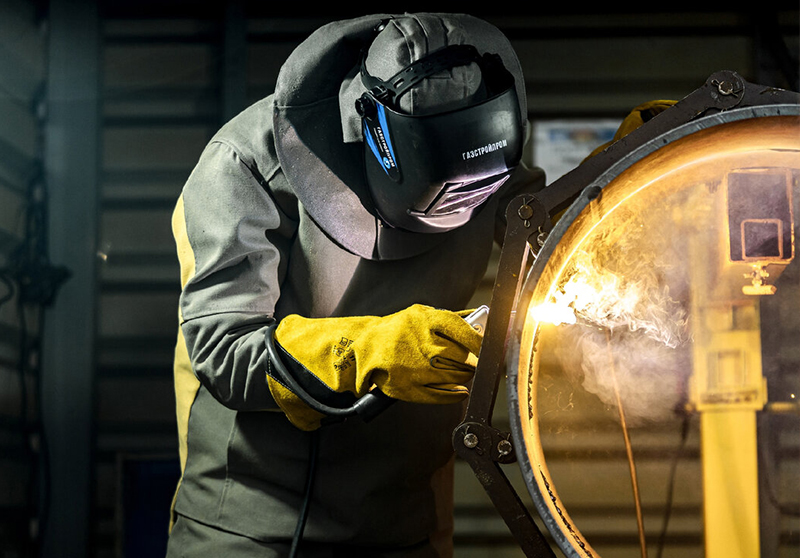
6. Safety and Protective Gear
Core Applications:
- Chemical-resistant gloves, aprons, and suits for personnel handling hazardous materials.
- Lining for safety helmets and respiratory equipment in high-risk environments.
Technical Value:
- Barrier Properties: Carbon fiber membranes embedded in protective textiles block permeation of organic solvents (e.g., benzene, toluene) and acid mists, meeting OSHA and EU REACH standards.
- Mechanical Strength: Reinforced carbon fiber gloves offer cut resistance at Level 5 (EN 388), ideal for handling sharp chemical containers or glassware.
- Lightweight Comfort: 30% lighter than traditional rubberized protective gear, improving worker mobility in long-duration operations (e.g., pesticide mixing).
7. Environmental and Waste Treatment
Core Applications:
- Carbon fiber electrodes in electrochemical wastewater treatment systems (e.g., removing heavy metals via electrocoagulation).
- Composite structures for wastewater treatment tanks and biogas reactors.
Technical Value:
- Electrochemical Performance: Carbon fiber electrodes have high surface area and conductivity, enhancing treatment efficiency for dyes, phenols, and heavy metals (e.g., reducing copper ion concentration from 50ppm to <0.5ppm in electronics wastewater).
- Biogas Resistance: CFRP tanks resist corrosion from hydrogen sulfide (H₂S) in anaerobic digestion processes, outlasting steel tanks by 20 years in landfill leachate treatment facilities.
Technical Comparison with Traditional Materials
| Application | Traditional Material | Carbon Fiber Fabric Advantage |
|---|---|---|
| Corrosion-resistant tanks | Stainless steel/FRP | 50% lighter, 10x longer lifespan in aggressive chemicals |
| Catalyst support grids | Nickel-based alloys | Non-reactive, 30% lower pressure drop in fluid flow |
| Chemical protective gear | Neoprene/rubber | 40% lighter, superior solvent resistance |
| Heat insulation | Mineral wool/aluminum | 5x better thermal stability, non-combustible |
Challenges and Future Developments
- Cost Reduction: Ongoing research into electrospinning and bio-based precursors (e.g., recycled plastic bottles) aims to lower carbon fiber production costs by 30–40% by 2030.
- Recyclability: Development of thermoplastic CFRPs (e.g., polypropylene-based composites) to enable mechanical recycling, addressing current limitations in thermoset composite disposal.
- Intelligent Materials: Integration of carbon fiber with sensors (e.g., pH-sensitive coatings) to monitor chemical leaks in real time, enhancing safety in storage and transport.
In summary, carbon fiber fabric is indispensable in the chemical industry for its ability to withstand extreme chemical and thermal stresses while improving efficiency and safety. As sustainability and digitalization drive innovation, its role in next-generation chemical processes will only grow, particularly in green chemistry and circular economy applications.