

 English
  عربى
عربى  中文简体
中文简体
Below is an analysis of the core application scenarios, performance advantages, and technical value of carbon fiber fabric in special labor protection, highlighting its characteristics such as high temperature resistance, flame retardancy, cut resistance, anti-static properties, and chemical corrosion resistance:
1. High-Temperature Operation Protection
Application Scenarios:
- High-temperature resistant clothing for metallurgical/glass factory workers (furnace operations, smelting workshops)
- Thermal insulation gloves and boot covers for ceramic firing workers
- Anti-scald coveralls for boiler maintenance personnel
Core Value:
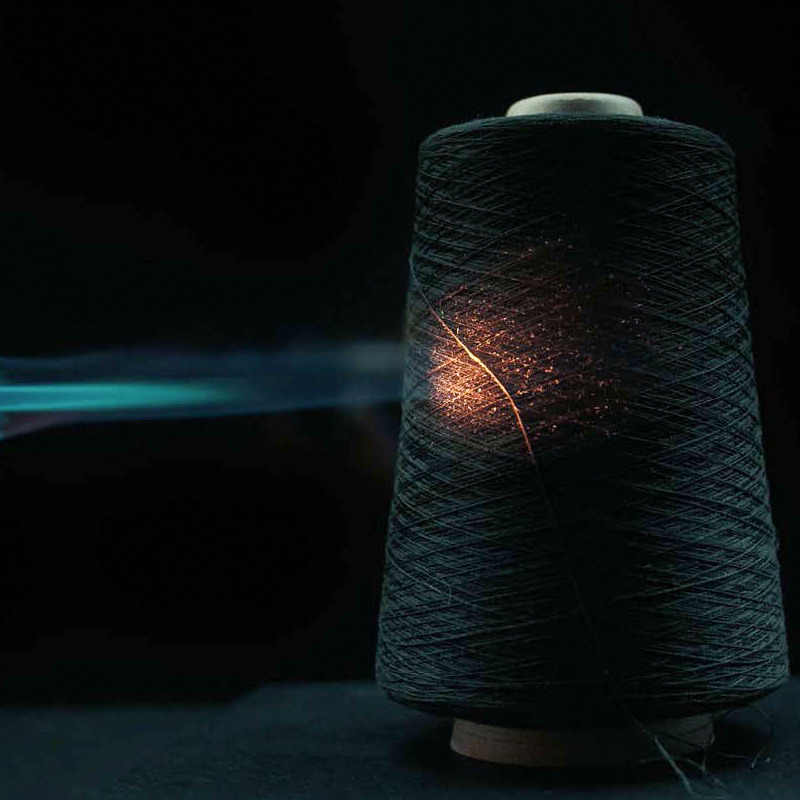
- Ultra-High Temperature Protection: Withstands temperatures above 500°C, resisting splashes of molten metal (e.g., aluminum/steel slag) and prolonged thermal radiation. It is 70% lighter than traditional asbestos cloth and carries no carcinogenic risks.
- Breathable Flame Retardant Design: Honeycomb-shaped ventilation structures enhance heat dissipation by 30%, while complying with GB 8965.1-2020 flame retardant standards (burn damage length <100mm).
- Thermal Aging Resistance: Maintains >95% strength after 500 high-temperature cycles (200°C → room temperature), with a service life twice that of aramid fabrics.
2. Hazardous Chemical Protection
Application Scenarios:
- Acid-base protective clothing for the chemical industry
- Anti-permeation aprons for pesticide production workshops
- Hazardous material handling gloves for laboratories
Core Value:
- Chemical Barrier Capability: Surface fluorine coating resists penetration by 98% concentrated sulfuric acid, 30% sodium hydroxide, and other corrosive liquids (penetration time >60 minutes, meeting EN 374 standards).
- Anti-Static Ignition: Conductive carbon fiber blending reduces surface resistance to <10⁹Ω, preventing electrostatic explosions of volatile chemical gases (suitable for oil refining scenarios).
- Lightweight Comfort: At <300g/m², it is 50% lighter than traditional rubber chemical suits, reducing wearer fatigue (e.g., 40% lower exhaustion after 8-hour operations).
3. Mechanical Processing and Cutting Protection
Application Scenarios:
- Anti-cut gloves for metal processing (knives, gear operations)
- Anti-puncture clothing for glass curtain wall installation
- Protective gloves for aerospace precision component assembly
Core Value:
- High-Strength Cut Resistance: Composite carbon fiber and UHMWPE achieve a cut resistance of 30N (ANSI/ISEA 105 Level 5, highest grade), withstanding (utility knife) and hacksaw blade scratches.
- Balance of Wear Resistance and Sensitivity: At 0.8mm thickness, finger tactile sensitivity reaches 90% (vs. ~60% for traditional leather gloves), suitable for precision assembly (e.g., electronic component welding).
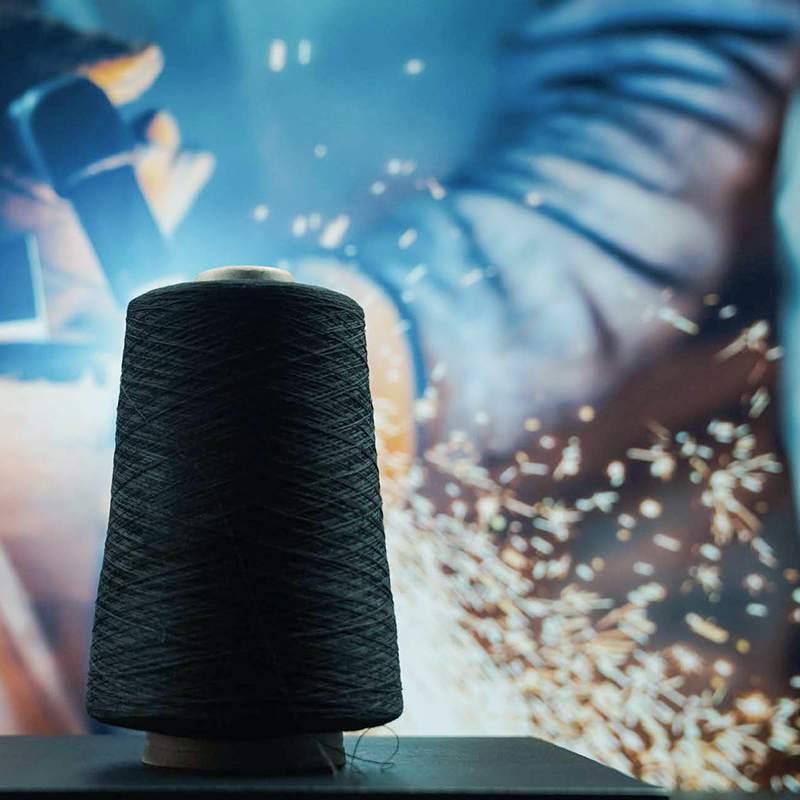
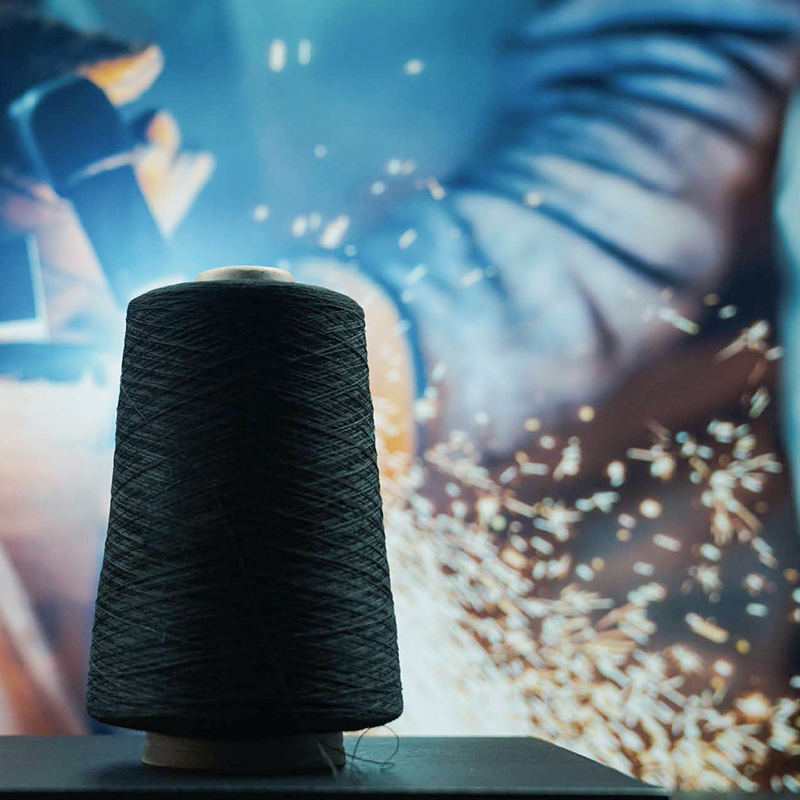
- Metal Spatter Resistance: Withstands 1200°C welding slag impacts (no damage within 5 seconds), outperforming cowhide gloves (critical damage temperature 800°C).
4. Electronic and Dust Environment Protection
Application Scenarios:
- Anti-static clothing for semiconductor cleanrooms
- Dust-proof mask filter materials for mines/cement factories
- Anti-metal dust gloves for lithium battery workshops
Core Value:
- Static Control Capability: Conductive carbon fiber grid density >50 threads/cm reduces static decay time to <0.1 seconds (ISO 14644-5 compliant), preventing chip damage from electrostatic discharge (yield rate increased to 99.5%).
- High-Efficiency Filtration: Nano-grade carbon fiber filters achieve >99.97% efficiency for 0.3μm particles (HEPA standard) with <200Pa breathing resistance, better than traditional PP melt-blown fabric (>300Pa).
- Anti-Dust Adhesion: Oleophobic/hydrophobic surface treatment reduces dust accumulation by 70%, extending replacement cycles (e.g., coal mine masks from daily to 3 times/week).
5. Low-Temperature and Extreme Environment Protection
Application Scenarios:
- Anti-cryogenic frostbite gloves for liquid nitrogen storage areas
- Insulating mid-layers for polar expedition cold-proof clothing
- Non-slip boot covers for cold storage workers
Core Value:
- Ultra-Low Temperature Tolerance: Maintains >15% elongation at break in -196°C liquid nitrogen (traditional PVC becomes brittle and fractures), ensuring flexibility (e.g., valve operation torque >50N·m).
- Thermal Insulation Design: Hollow carbon fiber filling has a thermal conductivity of 0.02W/(m・K), 1.5x warmer than down at the same thickness, suitable for -50°C environments (e.g., Arctic 科考站 operations).
- Non-Slip and Weather Resistance: Carbon fiber-reinforced rubber soles achieve a friction coefficient >0.4 at -30°C (vs. <0.2 for ordinary rubber), reducing ice slip risks.
6. Comprehensive Protection for Special Industries
Application Scenarios:
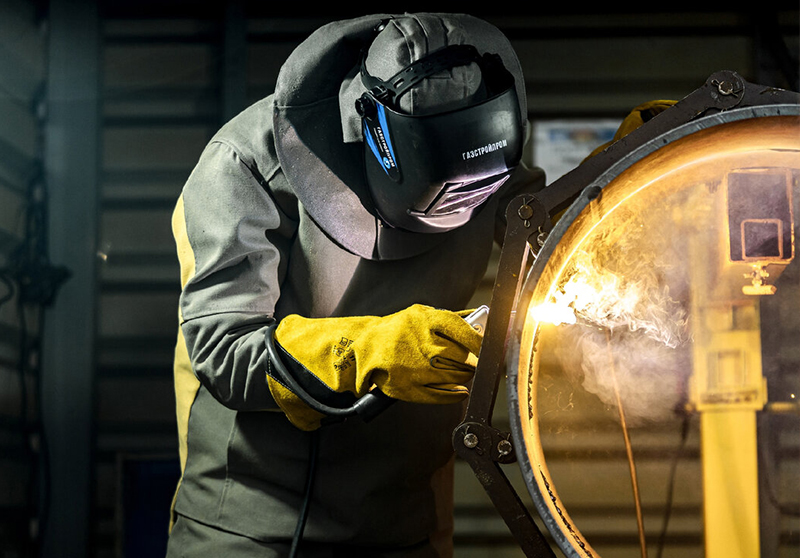
- "Flame Retardant + Radiation Resistant" coveralls for welders
- "Anti-Radiation + Flame Retardant" gloves for nuclear power plant maintenance
- "Anti-Static + Oil Resistant" aprons for aviation fuel handling
Core Value:
- Multi-Functional Composite: Three-layer design (outer flame retardant, middle lead film for radiation protection, inner moisture-absorbing layer) meets nuclear power plant radiation dose requirements (<2.5μSv/h) and passes EN 61482-1-2 arc resistance tests.
- Industry Customization: Oil-resistant carbon fiber aprons developed for the petroleum industry retain >90% strength after 72-hour aviation kerosene immersion, outperforming nitrile rubber (70% retention).
Technical Advantage Comparison (vs Traditional Labor Protection Materials)
| Performance Index | Traditional Materials (Leather, PVC) | Carbon Fiber Fabric |
|---|---|---|
| Temperature Range | -30°C~150°C | -200°C~600°C |
| Cut Resistance Level | ANSI Level 3 | ANSI Level 5 (Highest) |
| Static Decay Time | >1 second | <0.1 seconds |
| Chemical Liquid Penetration Time | <30 minutes | >60 minutes |
Future Development Directions
- Intelligent Labor Protection Integration: Develop carbon fiber-based "protection + monitoring" equipment, such as high-temperature suits with built-in heart rate sensors to warn of heatstroke risks (via real-time APP temperature data).
- Bio-Based Sustainable Materials: Use mycelium biosynthesis for carbon fiber production, reducing petroleum reliance and shortening degradation cycles to 1-2 years (vs. >100 years for traditional synthetic fibers).
- Adaptive Protection Technology: Develop temperature-sensitive color-changing carbon fiber fabrics that visually warn of high temperatures (>260°C), enhancing operational safety (e.g., welding hazard zone visualization).